The global brands director tells Tim Healey why letting go of control, and working with creators and communities, is now essential to building brands that travel across cultures.
You’ve worked at Unilever, PepsiCo, Distell, and now you are global brands director at Heineken. Please give us some key takeaways from your career to date and how you ended up in your current role?
I was born in South Africa, and if I had to summarize my journey, it’s been one from local to global – from managing brands to shaping portfolios and now, shaping culture and strategy.
At Unilever, I started on Omo and Sunlight, working with incredible mentors who taught me that marketing is about far more than products – it’s about trust, dignity, and purpose. That’s where I first saw the power of brands to make a real difference in people’s lives.
At Nestlé, I learned the value of agility and innovation – how speed and teamwork can unlock growth across markets. At PepsiCo, we were a bold, challenger team that turned snacks like Lays and Simba into cultural icons through creativity and collaboration.
At Distell, with brands like Savanna and Bernini, we tapped into humor and empowerment to build brands that became part of South African culture. That was a proud “we” moment – a team that truly captured the national spirit.
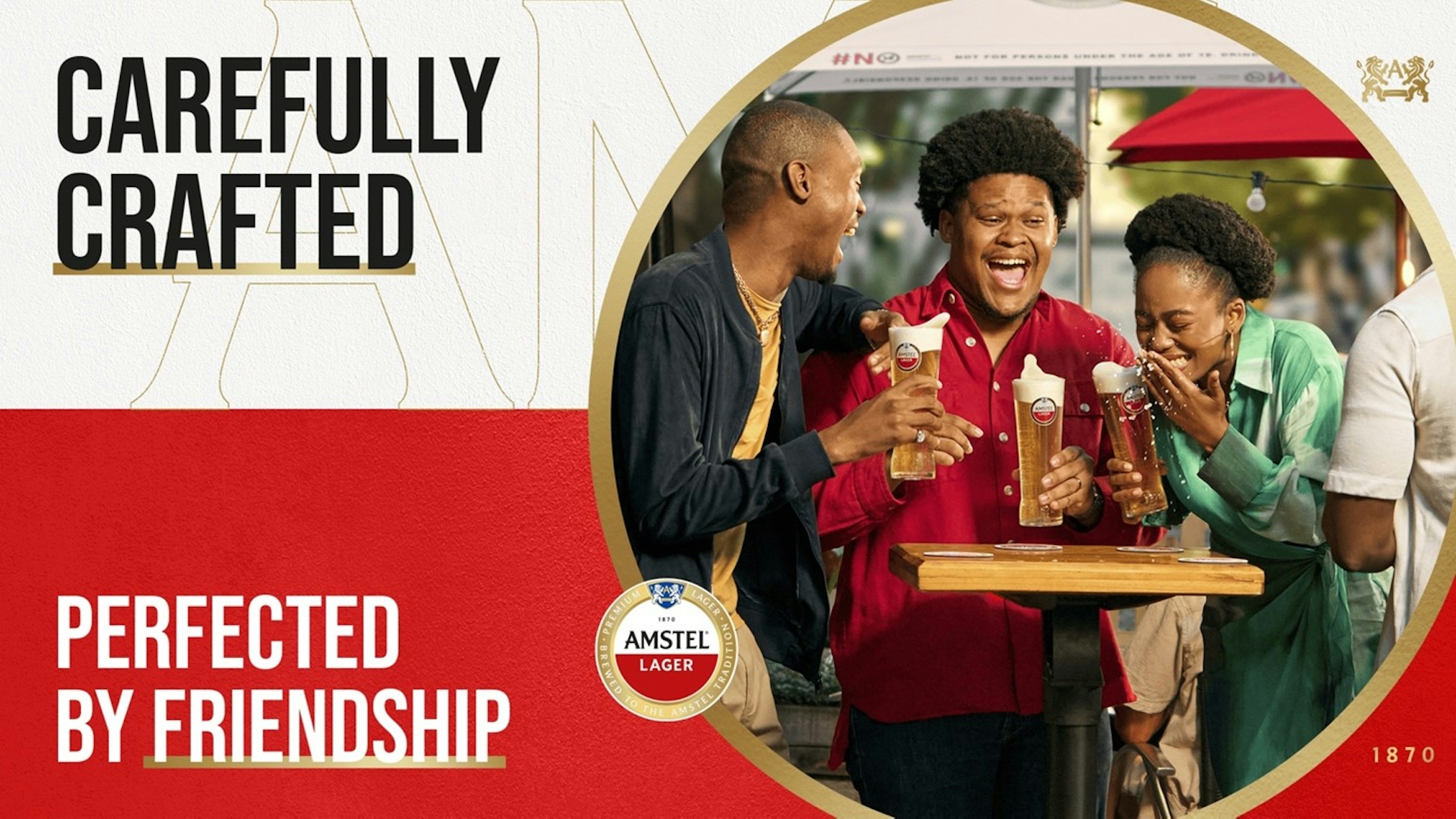
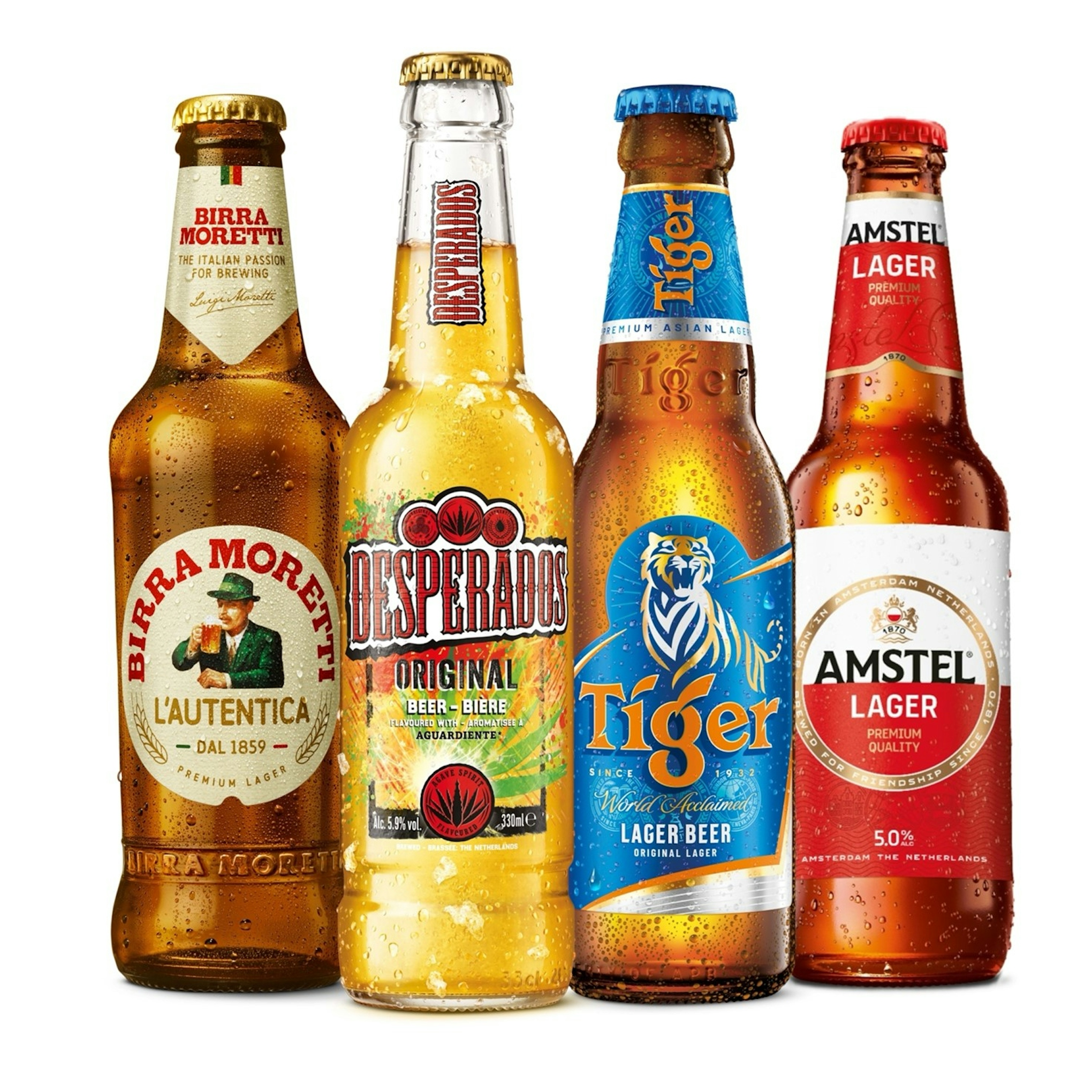
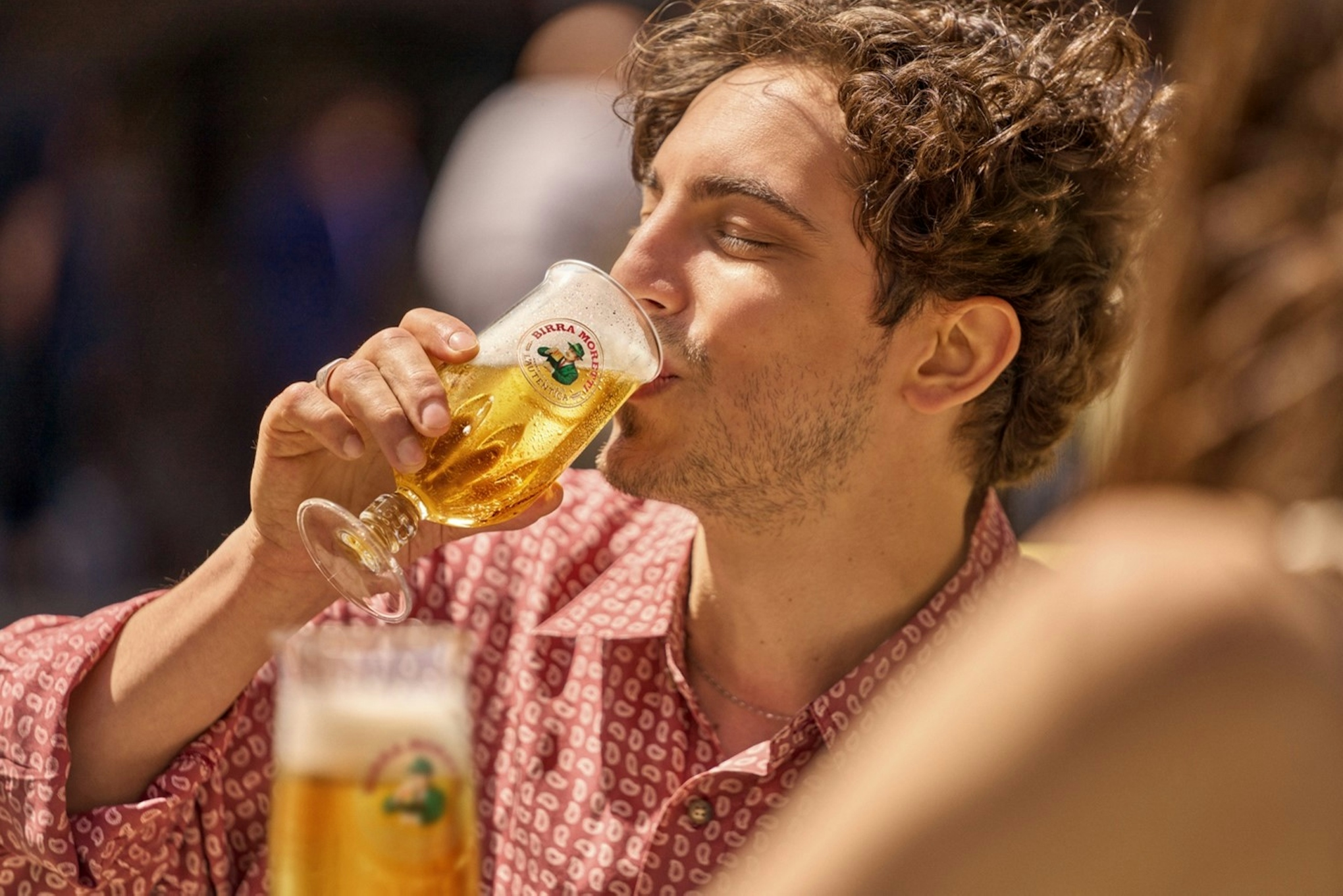
Distell was acquired by Heineken, and I was transferred to the global office in Amsterdam two years ago. I now lead global brands like Amstel, Desperados and Birra Moretti and I’m fortunate to work with amazing teams and inspiring leaders like Bram Westenbrink, who’s taught me the power of creativity, trust and empowerment in leadership.
And through it all, my husband and two daughters have been my grounding force, travelling with me across countries and reminding me that success is always a shared journey, both at home and at work.
What is the offer for the various brands that you have on your watch?
We aren’t just about selling beer. It’s about selling connection. We talk about brewing the joy of true togetherness at The Heineken Company. As Freddy Heineken famously said – “We don’t sell beer, we sell gezelligheid (‘good times together’ in Dutch).
What does 2026 have in store for you and the brands you lead?
There’s real momentum across the brands we look after, and as a team we’re excited about what’s ahead. In such an unpredictable environment, our focus is on sustaining growth while keeping impact meaningful. It’s about reinforcing the fundamentals of marketing and insights – understanding consumers deeply – while scaling what’s working and innovating with intent.
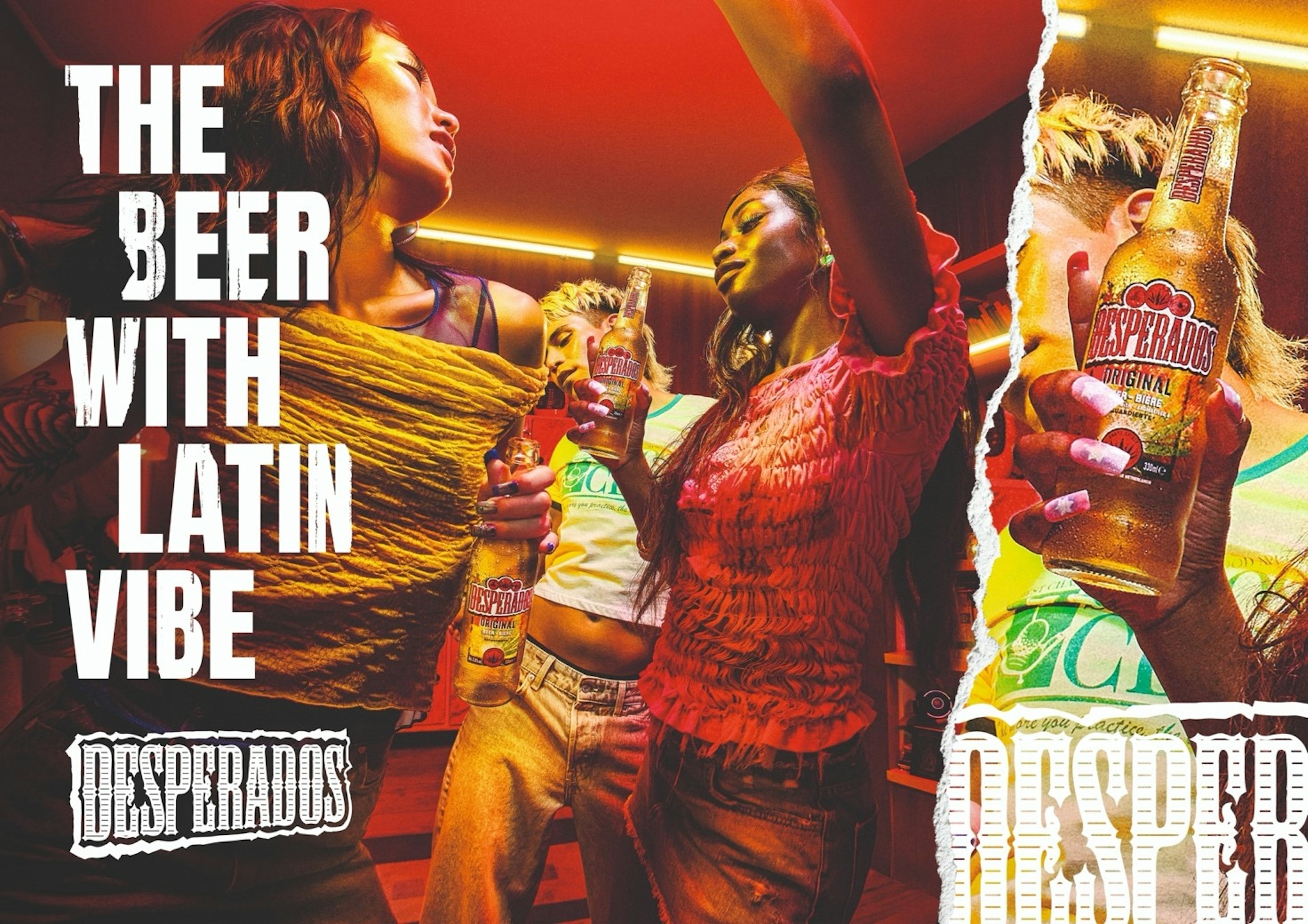
For 2026, we’re focused on building sharper difference and meaning across each brand. Take Desperados, for example – our bold, Latin-vibe beer that’s thriving in markets like France. Together, we’re looking at how to scale that success globally, using smart technology and AI to stay agile while maintaining creativity, quality and connection.
At the heart of it, it’s about our teams around the world working as one – creating brands that truly connect with people and culture.
How’s your marketing team structured?
We have a central global team at our headquarters here in Amsterdam for our biggest global brands. We also have regional teams across our four regions and our local teams in operating markets beyond that. The global teams create the brand strategy and global playbooks. The regions help to adapt these to meet the regional needs. Then the local teams would tailor assets for Vietnam or India to reflect local nuances.
Drawing on your leadership expertise. What has your career taught you that helps you to make a great team?
Great teams are built on trust – that’s the foundation of everything. When people feel safe, seen, and supported, that’s when they do their best work.
For me, it’s about creating an environment where everyone feels empowered to speak up, to challenge, to create and to grow. Especially with the younger members of our teams, I’ve seen how transparency and open, honest communication can completely unlock confidence and creativity. Across every organization I’ve worked in, the most high-performing teams have one thing in common: they trust each other, and they build on each other’s strengths. When we lead with that mindset, we don’t just build great teams; we build great outcomes together.
How do you manage to surf the tidal wave of marketing technology?
The key for us is not getting overwhelmed by the flood of new AI tools and technology. Every day there’s something new landing in your inbox, but it always comes back to one simple question: what does the brand actually need?
My team and I focus on testing first, then scaling what works. For example, with Desperados, one of our big brands in Europe, we’ve used AI to test creative assets and better understand tone and cultural nuance across markets. It’s helped us move faster and make sharper, more insight-led decisions.
But we only scale once we’re confident it adds real value. For me, if the technology isn’t helping us make our brands more distinctive, meaningful, or effective, then it’s just noise. Our approach is always purposeful – using tech to amplify creativity, not replace it.
Could you tell us about a customer research discovery you made that you found surprising?
One story that’s always stayed with me comes from my time working on an alcohol brand in South Africa. For months, we kept hearing consumer complaints about the product – people said it was giving them “stomach runs.” Naturally, we took it seriously and ran blind consumer tests to check for any quality issues. But interestingly, in those tests, consumers couldn’t find a single problem with the product itself.
That was the turning point. We realized the complaints weren’t really about the product – they were a way for consumers to justify switching to another brand. It was emotional, not functional. And when the brand love started returning through stronger campaigns and cultural connection, those “complaints” simply disappeared.
It was a great reminder that consumers link emotions and experiences to brands in unexpected ways. Sometimes what they say isn’t about the product at all – it’s literally all about how they feel about it!
What myth about marketing would you most like to bust?
Marketing isn’t just about advertising – it’s about shifting culture.
Take Savanna, for example. It’s one of South Africa’s most loved brands, but it’s never just been a cider. It’s a cultural mouthpiece – witty, sharp, and instantly understood. It speaks to South Africans in a way that feels authentic and local, a bit like the Trevor Noah of ciders!
The same is true for Desperados. It’s more than a flavored beer; it’s an invitation to have fun, to let go, to get out of your head for a moment.
When brands connect on that human, cultural level, that’s where real growth happens. Because marketing isn’t just ads – it’s the pricing, the innovation, its experiences, the stories that drive a brand forward. At its best, marketing is culture and growth working hand in hand.
What advice would you give your younger self if you could go back in time?
When I was younger and had just stepped into a marketing director role, I was eager to prove myself – to deliver results, grow my experience, and lead a team, all at once.
At the same time, I had a young family – two small kids and a demanding portfolio – and like many working parents, I tried to do it all. I wanted to be across everything. But looking back, I realize that real leadership isn’t about doing more – it’s about empowering others to do more.
Over time, I’ve learned to shift from leading as a captain to leading as a coach. That change doesn’t happen overnight – it comes with experience, self-awareness, and slowing down enough to let others step up.
Today, I’ve learned that presence matters far more than volume. Creating space for others to lead, debate, and even make mistakes is where real growth – both personal and collective – actually happens.
When you said ‘presence rather than volume’, could you explain that a little bit more?
Presence for me means creating space for people to try, to succeed, and yes, sometimes to fail. I’ve made plenty of mistakes in my own career, and I’ve learned that growth doesn’t come from getting everything right; it comes from learning together.
When you give your team that trust and space to explore, you see confidence and creativity flourish. It sharpens debate, invites honesty, and builds a culture where people feel safe to push boundaries.
In the early part of my career, I carried everything on my shoulders. But over time, I’ve realized that when you move from that mindset to one of shared ownership – when you coach instead of captain – that’s when real growth happens. Not just for business, but for the people behind it. So presence equals space for growth.
What question would you like me to ask the next senior marketer that I interview?
How do you show and link that creativity is a real driver of business growth?
Your question from the last senior marketer I interviewed is: name a big innovation in marketing other than AI that is shaping the future of marketing?
Using creativity and technology together to build cultural relevance with scale, without losing human touch. This requires moving from control as marketers to freedom within guardrails. We’re seeing a real shift from “one-to-many” to “many-to-many” marketing – a world where brands no longer speak at people, but with them. We’ve moved from celebrity endorsements to influencers, and now into a new era of co-creation, where creativity is shared between brands and communities.
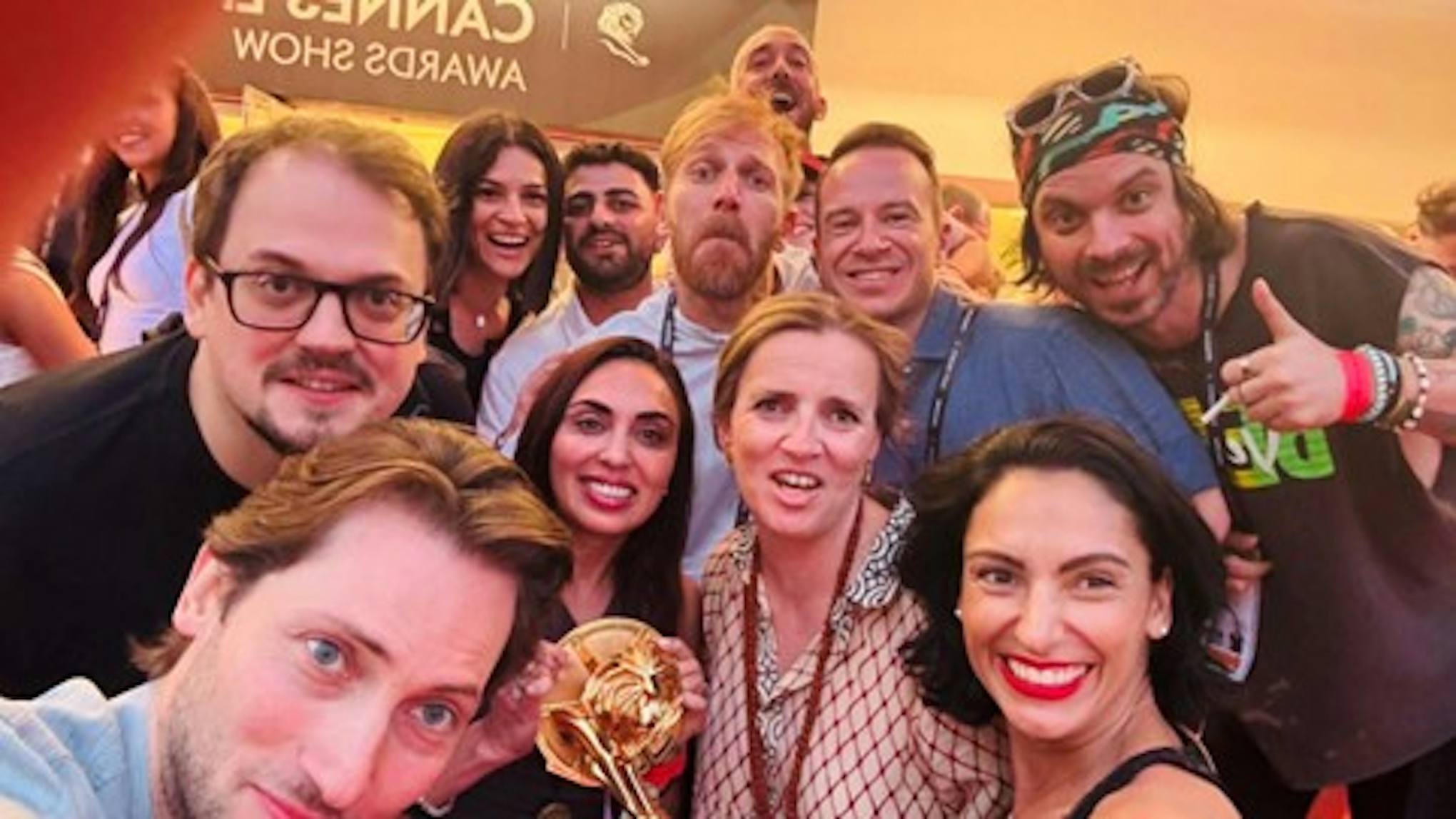
Our recent Desperados campaign is a great example of this. Rather than starting with a traditional brief and an agency storyboard, we partnered with two Latin music producers and asked them to express what “bring the latin vibe”, our brand idea, meant to them. What came out was a music video that went on to win a Gold Cannes Lion and even a Latin Grammy nomination.
For me, that’s where marketing is heading: co-creating within context. It’s not about control, it’s about curation – creating a space where talented creators can express themselves inside a clear brand world. With AI accelerating content creation, the challenge now isn’t just producing more, it’s measuring what’s meaningful – where creativity meets true engagement.
That’s the next frontier: using creativity and technology together to build cultural relevance at scale, without losing human touch.
If there’s one thing I know about marketing, it is?
For me, marketing is and has always been about human connection.
I once debated whether to study psychology or marketing, and in many ways, I feel I’ve been lucky enough to live both. From my early days working on Omo and Sunlight to now leading global brands like Amstel, it always comes back to the same truth: understanding people.
At its heart, marketing is about empathy – seeing the world through someone else’s eyes and finding ways to connect meaningfully. The brands that endure are the ones that tap into that human truth in an unmistakable way.
So, if there’s one thing I know about marketing, it’s this: when you understand people deeply, you don’t just build brands, you build belonging.
You might die tomorrow so make it worth your while. Worth Your While is an independent creative agency helping brands do spectacular stuff people like to talk about. wyw.agency.
This interview has already appeared in The Drum. Discover the best campaigns, industry insights and interviews from world-leading marketers, creatives and more.