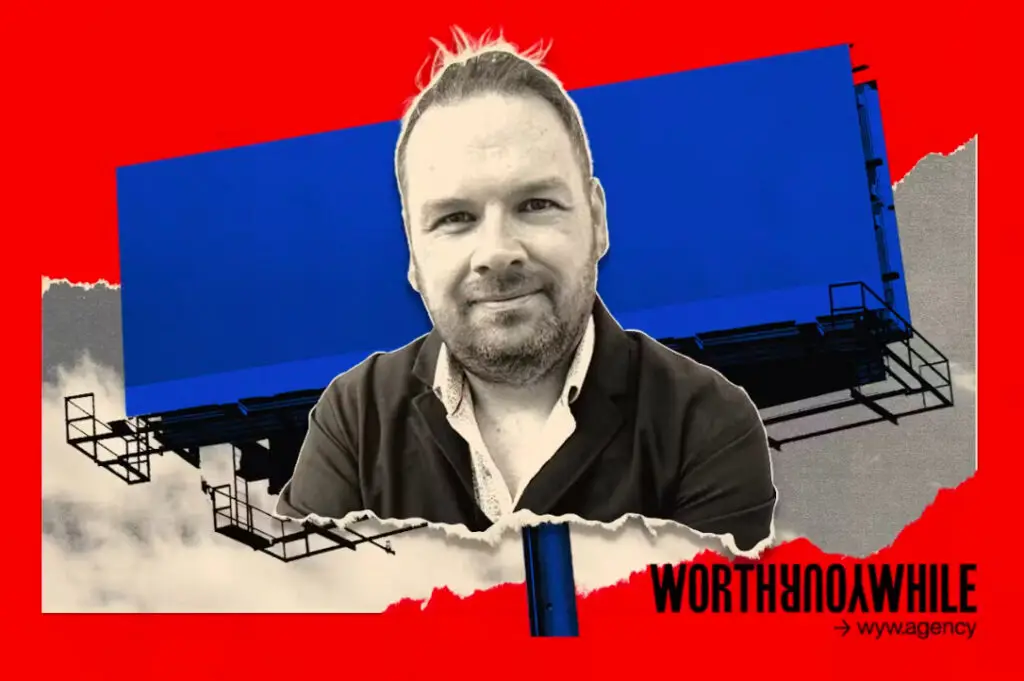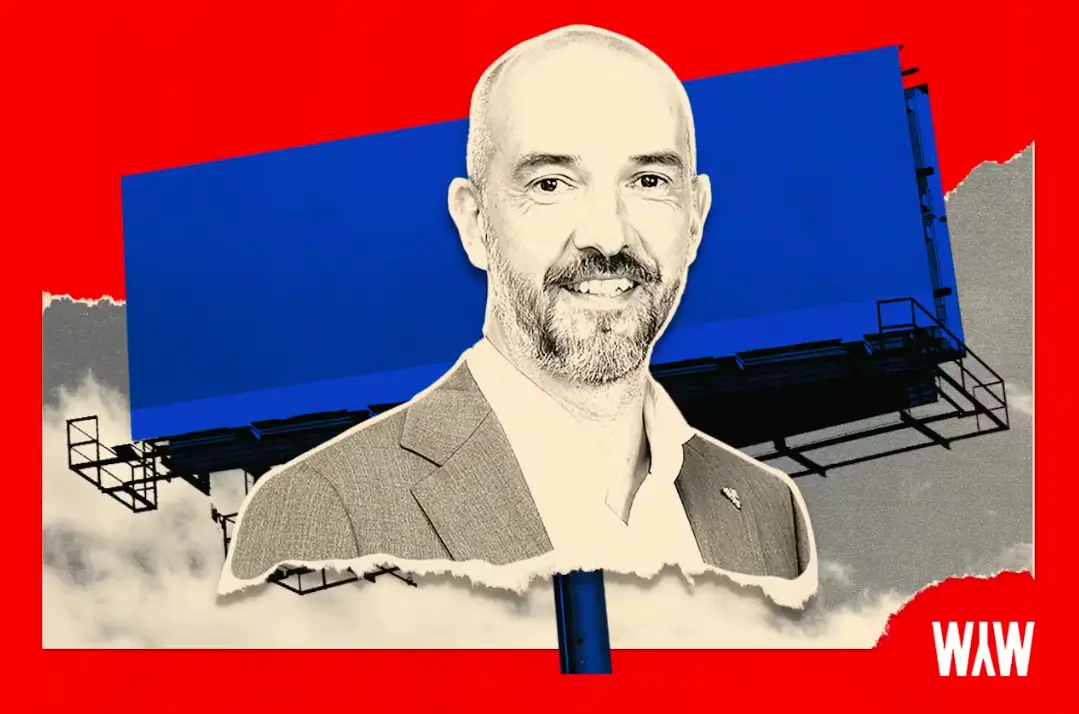
The drinks CMO tells Tim Healey how his background shaped his view of consumers, why research can mislead and what Gen Z’s drinking habits really reveal.
You spent 25 years at Colgate-Palmolive and had a year with Lindt, and since June 2024 you’ve been CMO at Carlsberg. Please walk us through your career to date.
I believe that part of the reason I have had such a long and positive career is because of where I come from. I was born in Paris, my dad was a truck driver and my mom was not working. I had two sisters and two brothers, so we didn’t have much money. As a little boy, I would dream of earning €1500 one day. And I remember my mom telling me that €1500 was ‘a lot’ and that she needed to manage my expectations.
I mention this because my background has fueled my marketing ability. I think too many marketers come from the same background – a wealthy one – and this might be why sometimes they struggle to show empathy for consumers.
Sometimes I feel ‘bilingual ’ – I can understand the language of where I come from, because my family, my sisters and my brothers, are still living where I grew up. I ended up doing marketing because I love beauty and I love photography. When I entered my business school, it became obvious that marketing was the discipline for me.
After a year with LVMH, which I loved, I spent 25 years with Colgate. I moved through operational marketing, design, innovation and CMO roles – tons of different experiences – and I kept learning.
I left Colgate for one year to go to Lindt. Colgate was a fantastic business school. Lindt was a school of learning how to love your products.
When I joined Lindt, they took me to the factory. They introduced me to a guy working on the production line, and we shook hands. The guy looked at me and asked me: “What’s your plan?” I was surprised, so I just told him typical things, like: “I’m gonna launch products.” He stopped me. And he told me: “I stopped you because Lindt is about quality – so don’t do anything shitty with artificial flavor. Please respect the brand.”
I was so impressed that the people working on the factory production line – far away from marketing – had such a respect and passion for the brand that they were fighting for it. That stayed with me. The guy doesn’t know it, but I’ve told that story to teams that I have worked with around the world, saying: “We need to be like that.”
After more time with Colgate working in Slovenia, Poland, Italy, the US, Switzerland, Hong Kong and Singapore, I had a health issue a year ago, and I was thinking about finishing my career.
I took a different perspective on the world and on life, and I started to think it’s time to change. I moved to Carlsberg. It is a fantastic new challenge: a great company, superb legacy, incredible story, beautiful brands – and a lot to do. We have a new CEO who wants marketing to become an engine of growth and wants us to transform our marketing. And that’s why I’m here.
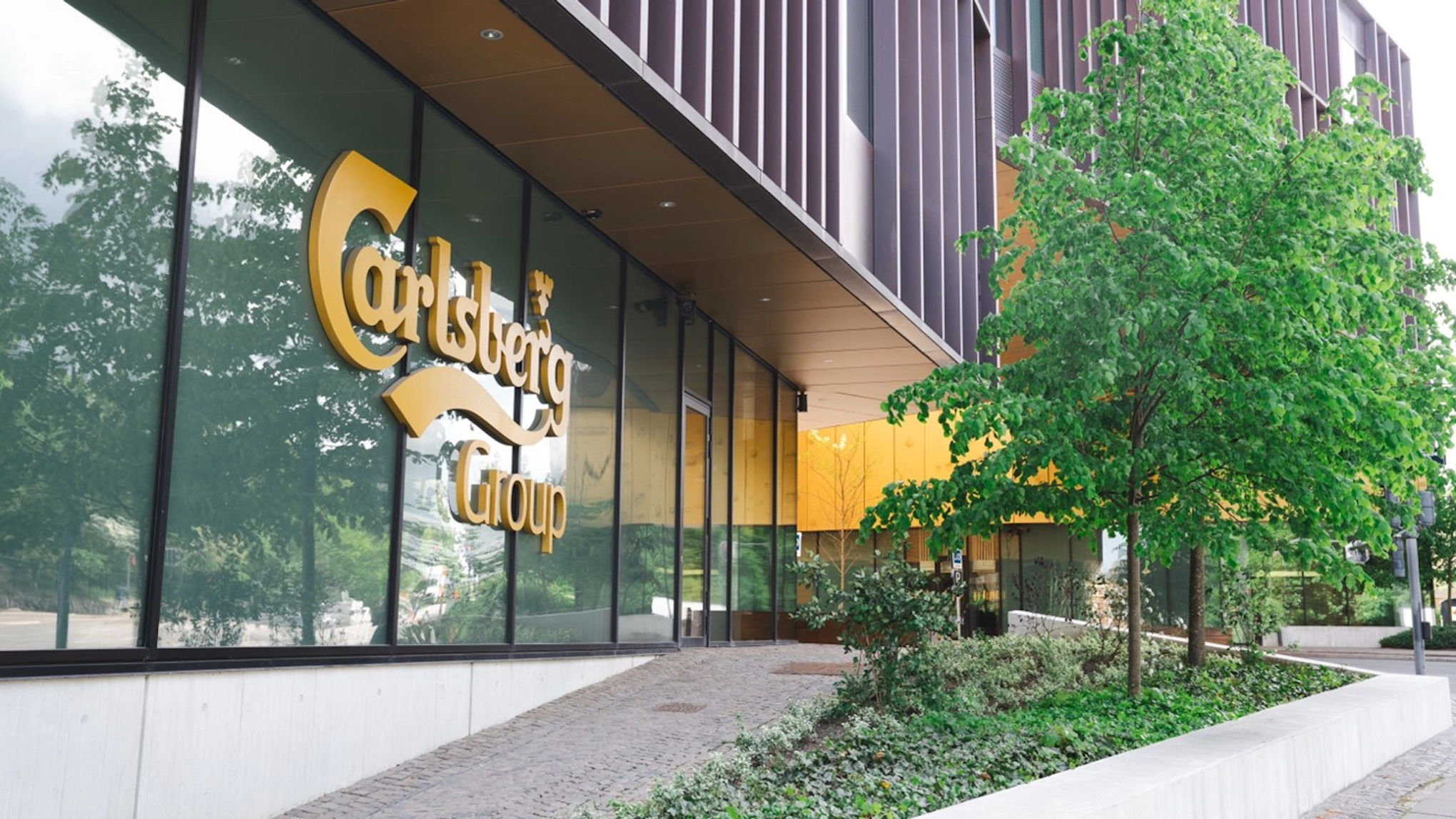
Many people know Carlsberg for beer but today the company’s drinks portfolio is extensive. What’s the Carlsberg story?
To understand Carlsberg, you need to understand the story of our founders, J.C. Jacobson and his son, Carl. The name ‘Carlsberg’ comes from the fact that J.C. had a son and he moved the brewery outside of Copenhagen to the countryside.
J.C. needed a place with fresh water access where he could store the beer underground at a good temperature for the aging process. So the name literally means ‘Carl’s Hill,’ referencing the hill where the brewery was built outside Copenhagen, Denmark, in 1847.
Now J.C. , the founder, was obsessed with quality and science, so he invested a lot in those areas. He was a s uper -generous guy, sharing his scientific and brewing discoveries with the rest of the world. He also wanted the world to be able to drink the best possible beer ever.
Not only did J.C. study a lot, he sent his son abroad for years to study in France, Italy, Scotland, where Carl met with his wife and ultimately returned with his own incredible knowledge. But whereas J.C. was more science and business-focused, Carl was extremely creative and passionate about the arts.
J.C. and Carl started to fight and ultimately fell out. J.C. told Carl to leave. Carl took his money and established a brewery 500 meters from his father’s. Both J.C. and Carl established their respective foundations – J.C.’s for science and Carl’s for the arts. Father and son reconciled before J.C.’s death and eventually the two breweries joined back together. A healthy tension between Carlsberg’s passion for quality and science and design and creativity remains present in our company culture to this day.
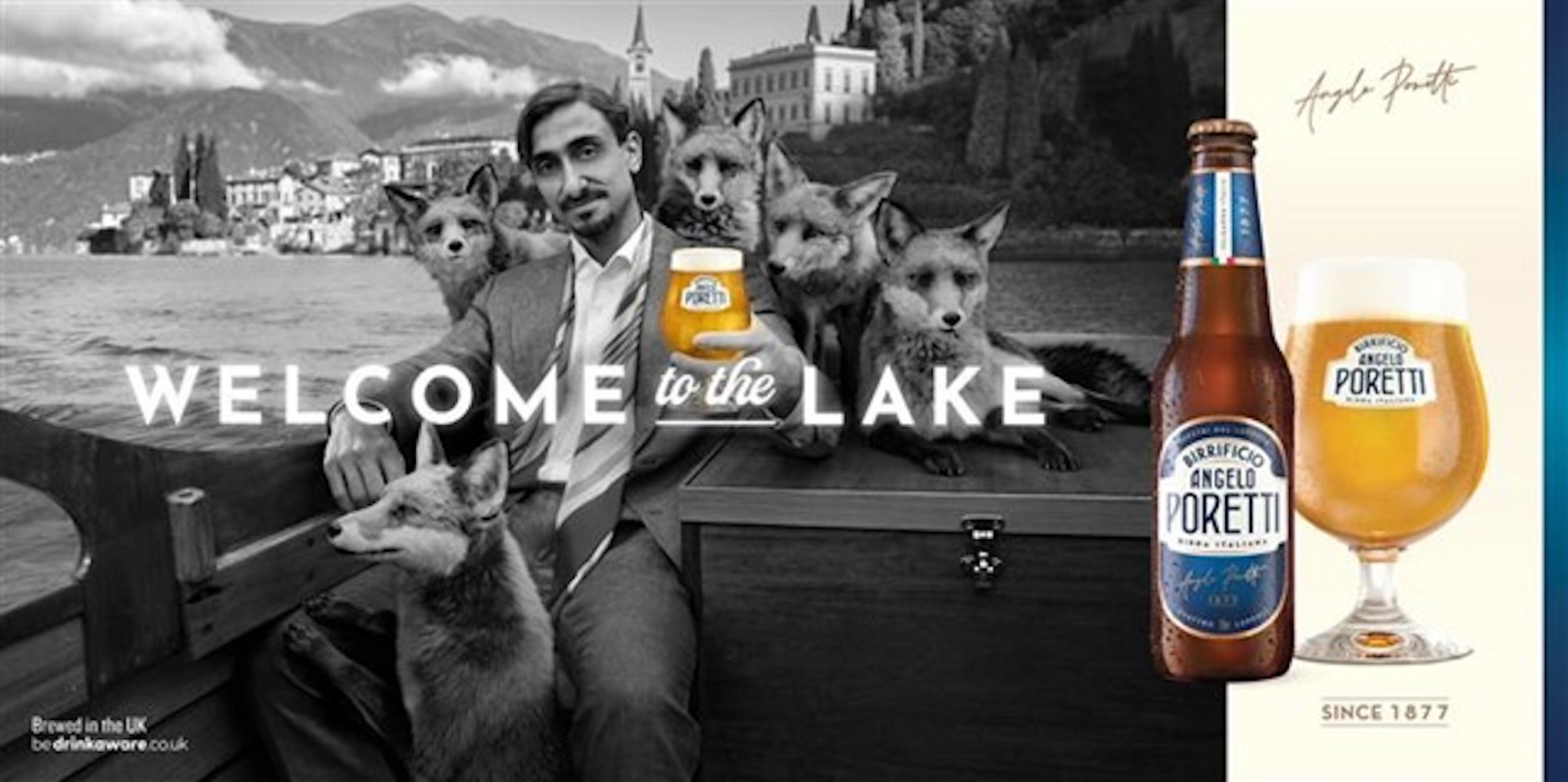
Last year the Carlsberg Group acquired Britvic. What is the focus for 2026?
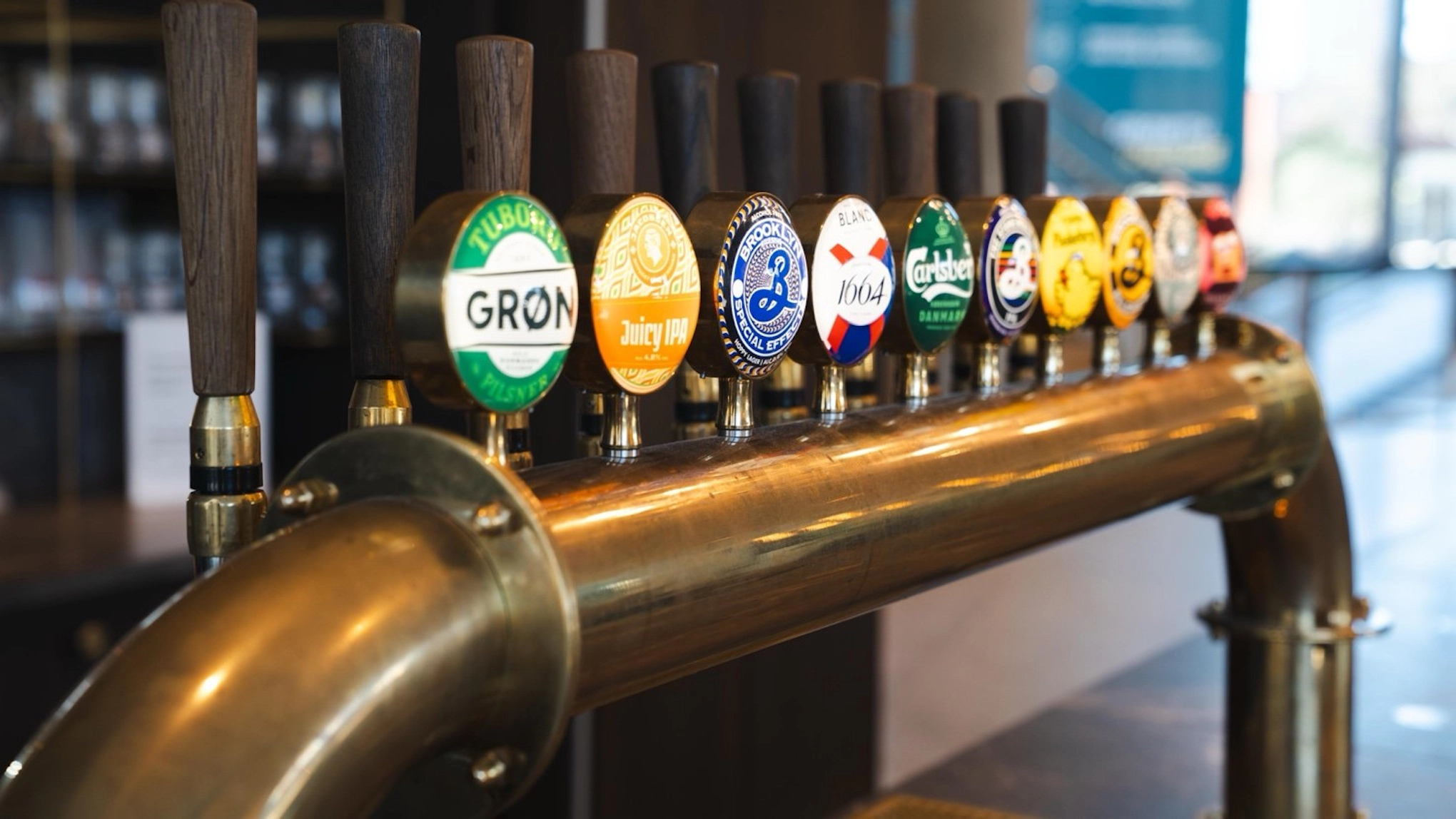
We all drink about eight cups of liquids every day. As the population increases so does the demand for liquids to drink. If we only address alcohol and beer, then we are not really leveraging our reach to provide more of those eight cups.
We acquired Britvic so that we can have a one-stop portfolio for beverages – to have a drink for everyone. 2026 is the year when we’re going to start amplifying the acquisition and really tap into the incredible synergies that we can find.
On the functional level, we are in the middle of marketing transformation: we want to establish Carlsberg as a school of marketing and as a leading player, not only in the beer industry, but within the FMCG industry. We are setting the bar really high.
How is your marketing team structured?
We have two centers of gravity: a strong central headquarters and then very strong countries with regional teams. It’s a strength, because when we have to take decisions, we only need two people in the room, which keeps things fast-moving.
When I arrived here, I would say that Carlsberg was (and still is) really good at classic marketing: insight, developing campaigns, many for TV, and there is a really good understanding of the brand.
What we need to do now is gear our marketing more towards the 21st century – to really embed digital, data, AI and creativity in the organization. In the past year, we hired five new VPs to help me develop centers of excellence for media, innovation, creativity, insights and analytics.
Want to go deeper? Ask The Drum
Of course, we still keep a huge focus on brand marketing, but we are currently rebalancing the team between generalists and specialists. We’ve done the necessary work at our headquarters, and now we are moving into the second phase, where we’re rolling this approach out across our different territories.
Drawing on your leadership expertise, what has your career taught you that helps to make a great team?
First: I know what I’m good at and what I’m not good at. I try not to hire people who are like me, because that’s a normal cognitive bias: ‘I think you are like me. Oh, I feel good, so I hire you,’ but then suddenly you have a team full of people who share your strengths when what you need is a balance in terms of skills; a team that is really diverse and equipped to tackle all the challenges that we have at work.
Secondly, I believe that I always take care of people in my team. I’m hiring good people, and I want a team that enjoys their work, has fun and is always happy to come into the office on a Monday.
How do you manage to surf the tidal wave of marketing technology?
It’s tough. The challenge we have today is that we need to transform. But we also need to accelerate what we’re doing well, and catch up in some areas where we are a little bit behind. The challenge is always to close the gaps that you have, but by the time you close them, you have new ones, because the rest of the pack has moved.
The way I navigate this is: vision. Where do you want to be 10 years from now? Do not start from where you are today. Start from where you want to finish. Then close the gaps. That’s our approach to marketing and it applies to technology too. We talk first about what it takes to become the best marketers in the world, but in the future environment.
Once that is established, we discuss how to build the martech that we need in order to deliver our goals. There is one exception: we don’t just do what others are doing. We do what can make us different. At Carlsberg, we’re not big compared to some of our competitors. We are super-lean and agile. Our challenge is to build a market that is accelerating and amplifying our strengths.
Could you tell us about a customer research discovery you made that you found surprising?
When I joined a year ago, the feedback I got from everybody is: ‘Gen Z are drinking less because of concerns around health.’ New studies are now showing that is not the case.
So what has changed? Put simply: they are older. Many of them left college and university and started to get full-time jobs. As a result they have more disposable income than a year ago. Now they are starting to drink more alcohol.
This is a great example of the danger of research and a superficial level of analysis. In answer to the question: ‘Why don’t you drink alcohol?’ It is difficult for people to admit it is because they don’t have enough money. Instead, they rationalize it and say something like: ‘I don’t drink because I’m healthy and I want to stay healthy.’
We need to be very thorough when we monitor and report on behavior. I am firm believer in observing your environment. I have a 19-year-old daughter. She’s studying at the University of Bath. Before going out, she buys cheap wine to drink at home with friends because she cannot afford to buy drinks when she’s in a pub.
That insight is more powerful than extensive qualitative research with global audiences. Obviously, there is more to insights and research than studying my daughter’s behavior but common knowledge – and in particular common sense – can be super-helpful. Too often marketers build strategy around research and that can be dangerous.
You need a strong vision, a clear strategy. Also, the Design L ab at Stanford University will tell you that the results of talking to five people is typically borne out after talking to 100 people. So after five people, you usually know you have the right question or a feel for the kind of answers that you are going to get.
I believe in research, but don’t let research tell you what you have to do. Use research to understand how you should do something. The strategy and the vision should be yours. The vision should come from your knowledge of your brands and the environment in which you operate.
What myth about marketing would you most like to bust?
There is the myth that marketing is about cheating. People say: ‘What’s your job?’ When I say ‘marketing’, the reaction is rarely positive. Somehow marketing became ‘the science of cheating’ in the mind of the public.
For years, many marketers thought their job was to convince people to buy things that they didn’t need. As a consequence, a lot of innovation is failing, and lots of the advertising marketers’ developments are not working.
I strongly believe that marketing is all about improving people’s lives. If we do it well, if we understand the pain points people have in their lives, then we can come up with innovations that address these needs and be courageous with our communications. If people recognize that you are addressing their needs, then they love you, they buy you, and they pay less attention to the price they pay.
What advice would you give your younger self if you could go back in time?
Be less vulnerable. On one hand, vulnerability is the tension that drove me forward in my career. It can be difficult to make choices that are going against what the majority think. In the past, sometimes I had idea and I gave up on it, because many people told me I was wrong. Looking back, I now know that I should have been more stubborn earlier on.
The moment when I realized this was when I decided to take the role of head of design and packaging at Colgate. Many of my friends and colleagues told me that this move might be the end of my career. In contrast, I thought my new role would be an incredible stretch and an unparalleled opportunity to better understand a discipline that is super important in marketing. And it was.
But I remember the moment well because it was the first time when I really took a decision that was going against the advice of my peers. And it paid off.

What would you like me to ask the next senior marketer that I interview?
Why is it so difficult to convince people that marketing is not something that anyone can do in a company? This is one of the biggest challenges we have as marketers. The idea that anyone can do marketing is bullshit. Why do people think this? As marketers, what did we do wrong to make people forget that marketing is a science?
Marketers don’t launch a product because ‘we like it’. We launch a product or communication because we are responding to well-researched insights and we have a strategy. So what did we, as a discipline, do wrong to turn marketing into something many companies perceive as trivial?
Your question from a senior marketer I recently interviewed: when was the last time you spoke to one of your customers?
Almost every day. My family consumes the products I market. When I dial up a new piece of communication, the first thing I do is I go home and share it with my family, and most of the time, their response is ‘spot on’.
Second: anytime when I travel with my company, I’m always asking the team to organize meetings with consumers. I was in India two weeks ago, and I met with nine young people who were fantastic.
Third: in order to address the cognitive bias that occurs within all of us, I see myself as in training every day. Each day I try to talk to new people that I don’t know or that are different from me: people I will not typically turn to because they make me feel uncomfortable. I do this so that I can better connect with and understand them.
If there’s one thing you know about marketing, it is…
That you cannot do marketing if you’re not humble. Marketing is all about having empathy for people. If you think you know everything, you’re dead. There is a quote from Einstein that I really liked: “Life is like riding a bicycle. The day you stop moving, you fall.”
As marketers, we must be curious. Like Steve Jobs said: “Stay hungry, stay foolish.” I’m 51 and I still want to be hungry and foolish because I feel the day that I lose that is the day that I will lose touch with marketing.
You might die tomorrow so make it worth your while. Worth Your While is an independent creative agency helping brands do spectacular stuff people like to talk about. wyw.agency.
This interview has already appeared in The Drum. Discover the best campaigns, industry insights and interviews from world-leading marketers, creatives and more.