Originally published on The Drum
You’ve held senior marketing roles at Coca-Cola and Barclays Africa, then rose through the ranks at Pernod Ricard – from marketing manager to senior marketing director at Wyborowa in Poland. In 2022, you became global VP marketing for Malibu and Kahlúa at The Absolut Group. Can you walk us through your career journey so far?
I’m on a journey from South Africa to the North Pole.
Following great advice from a family friend, I started interning with organizations I aspired to join while studying for my bachelor of commerce in sports management. I interned at a sports marketing company and joined them immediately after university. I worked on the Fifa World Cup, the Olympics, and all the major national platforms – rugby, football, cricket – in South Africa. It was intense: 36 out of 52 weekends working, plus full-time during the week.
I needed a change, so I joined Coca-Cola. That was my first real exposure to integrated marketing communications, and I really thrived there. After a stint at Barclays, an opportunity at Pernod Ricard came up. I’ve always found the alcohol industry fascinating because much of the marketing is emotional rather than functional.
To me, alcohol brands – whether beer or spirits – have always felt aspirational. They had the resources to do interesting things and truly connect with consumers. At Pernod Ricard, I’ve been exposed to different countries, parts of the business and ultimately settled into the brand side. I now focus less on short-term execution and more on medium to long-term brand strategy – building platforms that allow markets to bring the brand to life in their own way.
I’ve worked in sports marketing, FMCG, banking, and spirits. Seeing business and marketing from all those angles has helped shape who I am today.
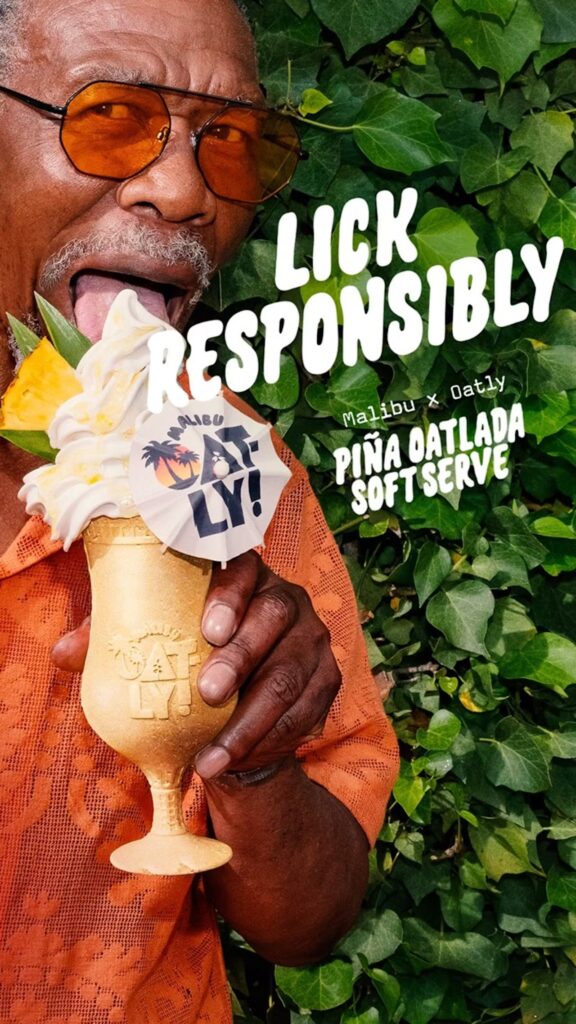
You’re currently looking after Malibu and Kahlúa, two very different brands. Could you tell us what each brand offers?
You can have a lot of fun as a marketer with these brands. You need to be disruptive – they’re not defined by a single category. Is Malibu a rum? A liqueur? A ready-to-drink? A spirit? And with Kahlúa, we’re in the coffee-and-cream liqueur world. But who are we really competing against? We don’t think in categories; we’re not confined by them. That’s quite liberating.
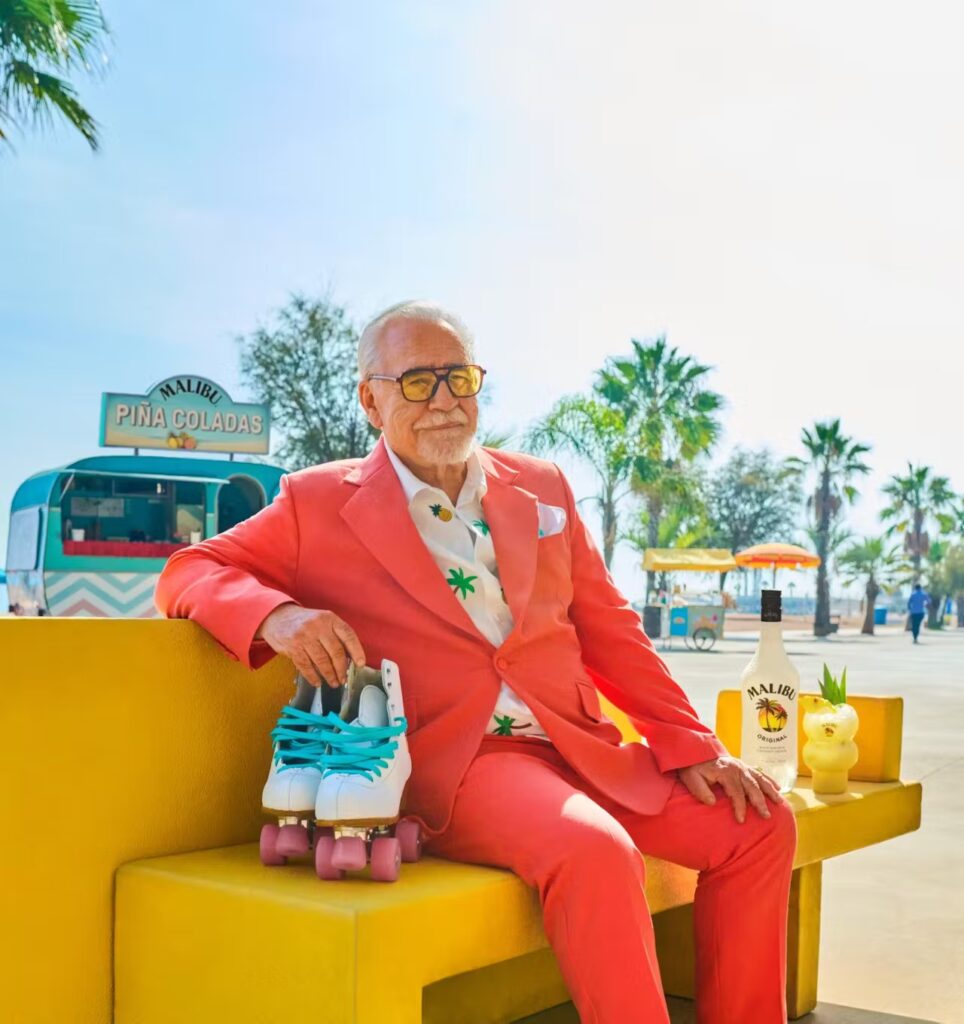
Both brands are distinctive. Malibu’s founders had a beautiful line: “Malibu comes from paradise, tastes like heaven.” It has strong summer, beach, vacation associations. Being free-spirited and fun is at the core of its DNA.
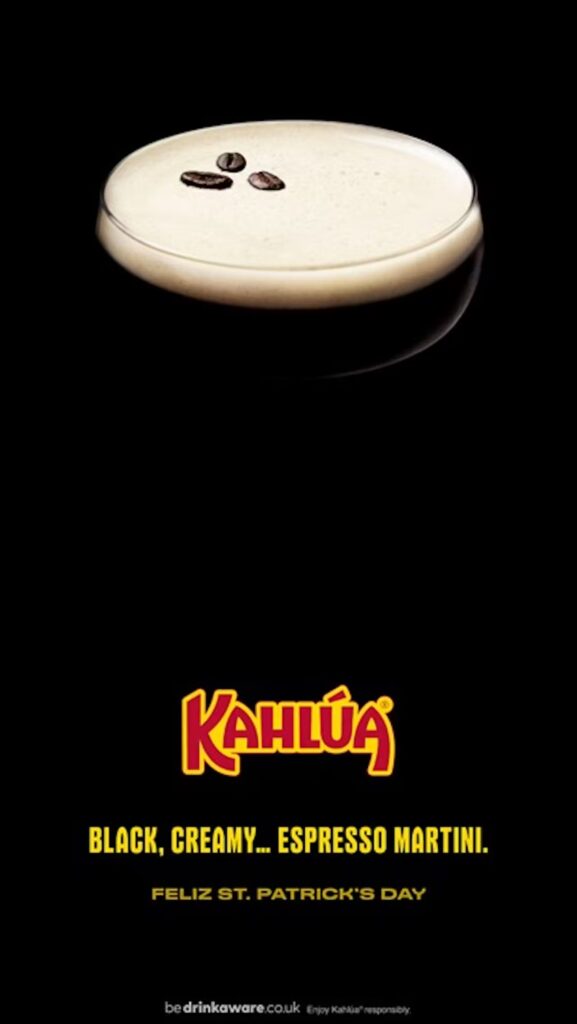
Kahlúa was the brand I knew the least about when I joined The Absolut Group, but I’ve since fallen completely in love with it. It has a unique personality rooted in its place of origin: Veracruz, Mexico. It gives us a platform to be disruptive, cheeky and vibrant – whether making ‘schneaky’ espresso martinis, kicking down doors with Salma Hayek, or launching a big innovation with Dunkin’ in the US.
What does the next year look like for you and the brands you manage?
When I took on this role, my first impression was that this was the ‘B’ or ‘C’ team compared with Absolut. I wanted to flip that perception. My goal was for people across the Pernod Ricard group to aspire to work on Malibu and Kahlúa.
Being under the radar gave us more room to do disruptive work. Talented people gravitate towards creativity that speaks for itself. Over the past two and a half years, we’ve accelerated creativity in both teams. Next year is about building on that momentum: being bolder, taking bigger risks and being faster and more agile.
I spent 25 hours interviewing people inside and outside our organization to decode creativity. If you talk about anything for 25 hours, patterns emerge. I realized there’s no silver bullet. Creativity is just hard work.
We identified seven key dimensions of creativity:
- Creative ambition: Does the team understand the ambition? Are we aligned in pursuit of it?
- Team structure: Do we have the right profiles? Do ‘power pairs’ exist – brand strategists and creatives in sync internally and with external partners like Wieden+Kennedy?
- Environment: Are we creating a space where people can share, protect, and nurture ideas without fear?
- Inspiration & development: Are we deliberately inspiring our teams regularly? Who should be at Cannes? At Paris Packaging Week?
- Strategic clarity: Without internal clarity, progress is slow and frustrating.
- Singularity and disruption: What are we singular about? For Malibu, it’s about unbottling the feeling of summer, glorifying the Piña Colada and getting people to ‘Clock Off’. For Kahlúa, it’s about stirring up drama through the espresso martini.
- Active collaboration: We invest in our partnerships personally and professionally. We host quarterly creative & culture sessions with all our strategic partners. These include two 45-minute creative sprints to unlock disruption and campaign breakthroughs.
We don’t work nine-to-five. We hustle. We text ideas at 6am or 10pm. When you mix creative ambition, tenacity, play and a relentless drive to see ideas through, you get creative excellence.
We’ve also created a 35-question creativity framework diagnostic aligned to the seven dimensions. Each VP works through it with their team, boss and partners to benchmark where they are and what to focus on next.
We also enable play in the relationship. Every three months, we bring together all of our key strategic partners for a two-day ‘creative and culture’ session. We invite inspirational guest speakers from the likes of MSCHF, Palace and System1.
Then we end up doing two creative sprints – 45 minutes each – one on Malibu, one on Kahluà, enhancing a project that we’re already working on. 30 or 40 people in a room for 45 minutes of intense thinking on enhancing a launch, engineering more disruption and the best touch points to bring a campaign to life.
Alongside inspirational briefings, we make a lot of effort with each other as partners. If someone’s having a baby, or someone’s mom is in hospital, we will send a bunch of flowers. You have to work hard at your relationship, but once you get it to a good place, that’s when you really flourish, and you can attract the top talents in the agency to want to work on your brands.
We know there’s no formula for replicating creative excellence. But this doesn’t mean that you can’t learn from your experience. When we evaluate creative effectiveness, it’s not because we want to create a formula for the next creative exercise.
Instead, we want to understand what is landing with consumers and what learnings can be applied to future work. We know that as soon as you’re in the surprise and delight space, people receive it very positively.
Push it too far, and you move from surprise and delight to shock and horror. It becomes polarizing, and people don’t connect with the work. Our learning there was that we need to be deliberate about the range of emotions we want to extract, because that will influence the work that we do.
We believe this all begins with a shared ambition to punch above our weight when creating work.

How is your marketing team structured?
We have three core teams: brand strategy, portfolio architecture and innovation; shopper marketing, focused on the last three feet retail execution: comms, content and digital.
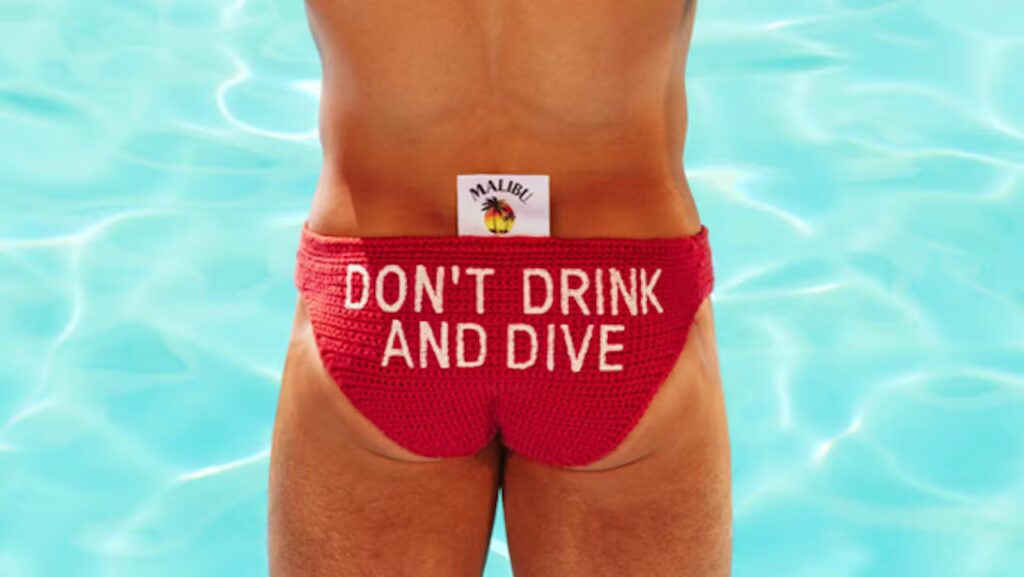
These teams work hand-in-hand. When we developed the ‘Don’t Drink and Dive’ campaign, strategy led the brief with our partners. Creative translated that into execution, and other team members joined at key moments.
Drawing on your leadership expertise, what has your career taught you about building great teams?
Mindset matters most. It takes 18 months to change a culture or transform a team.
The number one thing I look for is a flame. You don’t have to be the best; you have to be the hungriest. Without that drive, it’s not a fit. We push hard, fast and with high expectations.
Strategic clarity is key. Once people know where we’re going – what makes us distinctive, our tone, drink and portfolio strategy – they unlock their potential. Then we move fast and make bold decisions. Everyone contributes constantly, no matter their role.
It is crucial that your team understands your strategy. Most importantly, there is the notion around singularity and disruption. If the strategy is clear, you can establish what you want to be single about. With Kahluà, we want to stir up drama, using Espresso Martini to add playfulness. Once that singularity is locked in internally and externally, we could move swiftly between creative executions.
That’s when you unlock the full potential of the team, because then it doesn’t matter if you’re in shopper, in digital, in portfolio, in brand strategy, you know where we’re trying to go. And you can keep bringing ideas to the table on an ongoing basis. You can be quicker and bolder in your decisions.
How do you avoid ‘silo mentality’?
We hold monthly strategic alignment meetings to review priorities and resource allocation. Then, quarterly, we run the creative and culture sessions. Everyone knows our 24-month plan. That makes it easy to collaborate – if someone from e-comm posts an idea in the group chat, we run with it.
Can you share a customer research insight that surprised you?
Gen Z’s relationship with alcohol is fascinating. There’s a lot of talk – less drinking, Ozempic, health – but no definitive conclusion yet.
One insight that stood out was that health concerns may be overstated. The structural makeup of Gen Z – more women, more diverse, different social behaviors – means they want new formats and flavors. It’s a huge challenge, and the industry hasn’t cracked it yet.
What marketing myth would you most like to bust?
That there’s a silver bullet for creativity. There isn’t. All seven dimensions matter – you need to know where your team stands on each to unlock progress.
What advice would you give your younger self?
Spend more time with consumer and customers. Truly understanding them is how you solve problems creatively.

What’s the last marketing risk you took that genuinely scared you?
The Espresso MarTony with Tony’s Chocolonely. They had two product recalls 10 days before launch. We had a moment of, “What now?”
But the team stayed calm. We activated social listening and monitored sentiment. The outpouring of support for Tony’s was huge – 90% of comments were empathetic.
It was risky, but we backed our plan and stuck with them. It paid off. We earned their respect by standing beside them during a crisis.
What question should I ask the next senior marketer?
What’s your personal creative ambition for your team, and how do you track it? Thiago Sequeira Rapp at Heinz told me: “It’s super clear for us: we want to be the most irresistible food brand in the world.” They track results through the Kantar iconic brands tracker.
Heinz wanted to be in the top five in Cannes within five years, and they were top three in two years. Until you are clear on what your ambition is, and there’s an actual quantifiable way to track it, it’s hard to get the whole organization and system behind you.
If there’s one thing you know about marketing, it is:
It works. Really well.
You might die tomorrow so make it worth your while. Worth Your While is an independent creative agency helping brands do spectacular stuff people like to talk about. wyw.agency.
This interview has already appeared in The Drum. Discover the best campaigns, industry insights and interviews from world-leading marketers, creatives and more.