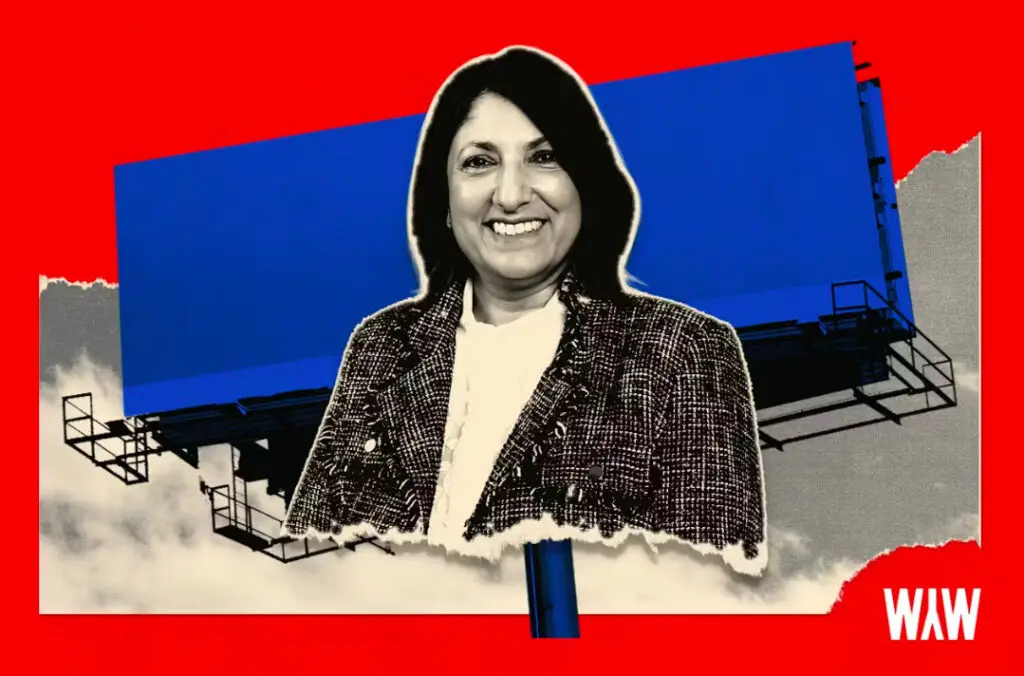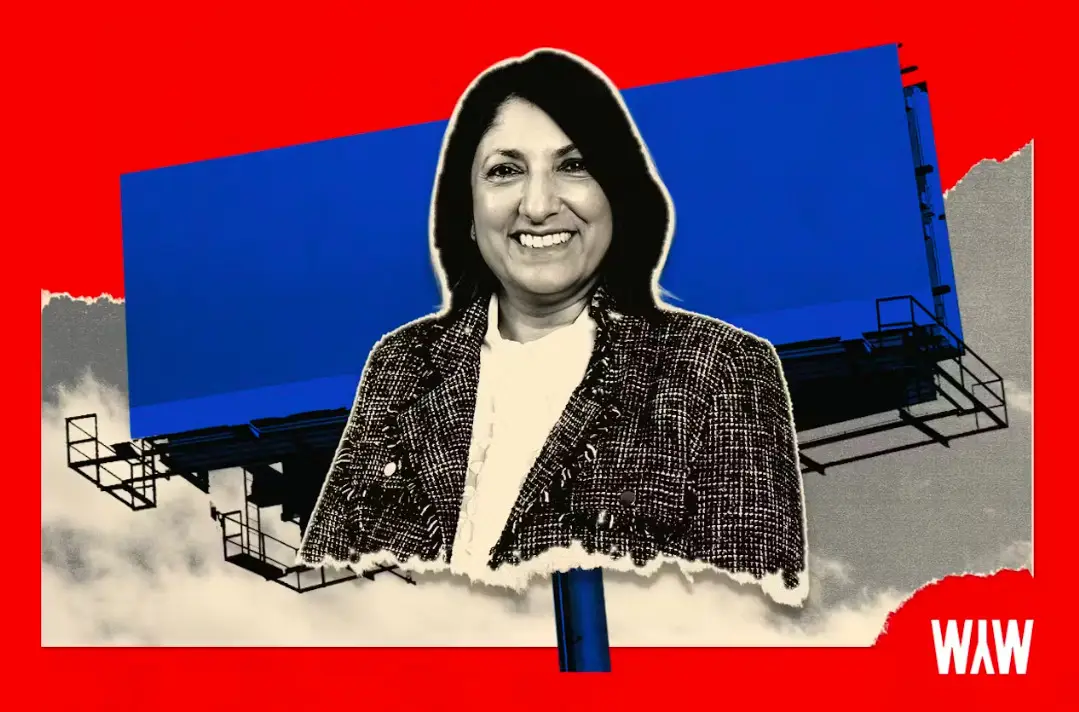
The drinks CMO tells Tim Healey why modern marketers must “go toe-to-toe with finance,” prove ROI and balance creative firepower with commercial discipline.
You’ve worked with Gillette, PepsiCo, Camelot, Johnson and Johnson, GSK, Walgreen Boots Alliance, and then Britvic – now Carlsberg Britvic. What have been the key turning points that led you to where you are today?
I’m going to start with my background. I am a second-generation British Pakistani. My parents came to the UK and I was born here along with my brothers and sisters.
I tell you that because it has shaped me and my career choices. I come from this gorgeous melting pot of culture: British culture and Pakistani culture, and as a result, from an early age I became fascinated by people and their behavior. With a background like mine, you quickly acquire your own ability to navigate different cultures. You have an intuitive understanding and empathy for different types of people. Your radar’s just constantly on and you’re always curious.
Secondly, when you’re brought up in these environments – and we were not wealthy at all – tackling challenges and learning to overcome adversity were seen as real positives. As were opportunities to learn. All of those factors have been constant in my career: I love consumer behavior and insights, and I love business challenges and I love the opportunity to learn a new skill – either technical or leadership. These have been the drivers of my career choices.
I’m passionate about marketing. I love building brands. I love consumer behavior. I love insight. And I love to learn. So that has been the heart of the choices that I’ve made. And now I am at Carlsberg Britvic. With these two businesses coming together, our drinks portfolio will span everything from children all the way to adults; breakfast all the way through to dinner and the opportunities are really exciting.
Having such an incredible drinks portfolio has never been done before. I see it as a fantastic challenge. We are going to transform the drinks landscape. And that’s why I absolutely love it.
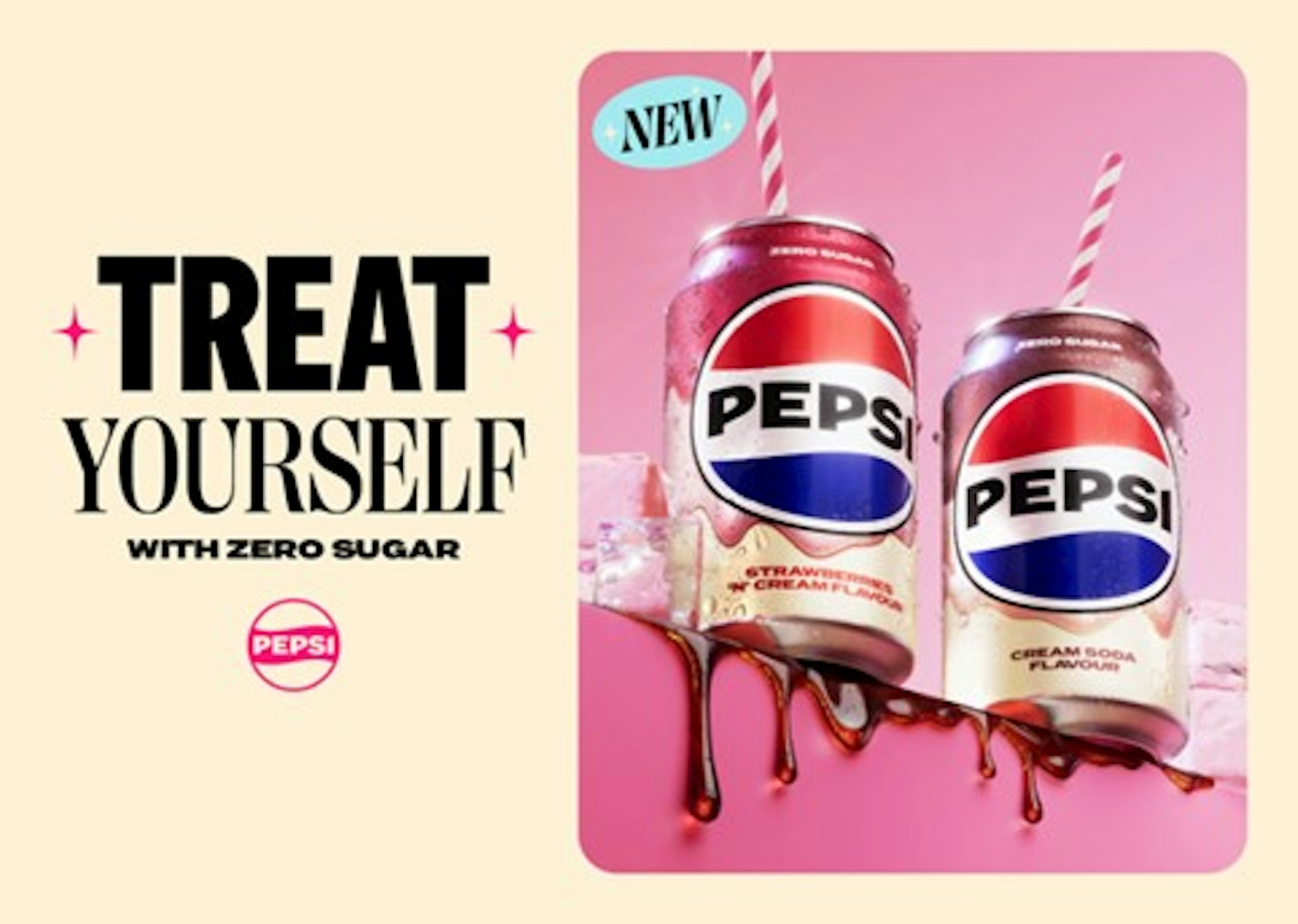
I was speaking to Yves Briantais, CMO at Carlsberg Group, and he mentioned his mission is to expand the Carlsberg portfolio because it needs to cater to people who are not in the alcohol category. The Britvic drinks portfolio lets them do just that.
Consumer bbehavior is changing, including how people are socializing. With our portfolio, we can cater for the changing dynamic in socializing and cater for consumers and their needs whether they want alcohol, no alcohol or a blurring of the two categories. What’s going to happen in the drink space in the future is really exciting and some of the thinking that we’ve been doing is going to be shaping it.
I looked at Britvic’s latest reported annual revenue. It was $1.9bn as of September 30, 2024. That’s an increase of 9.5% from the previous year and driven by growth in price, mix and volume across the portfolio. With all of that in mind, what does 2026 look like?
The one thing that you didn’t mention is that we also had around a 30% increase in marketing investment. We did a huge amount of work around proving the return on investment from greater marketing spend.
Our brand-building story is a key part of our success at Britvic, and that’s happened for a few years. That was one of the things that I pushed hard to build on when I joined the business, and the results speak for themselves.
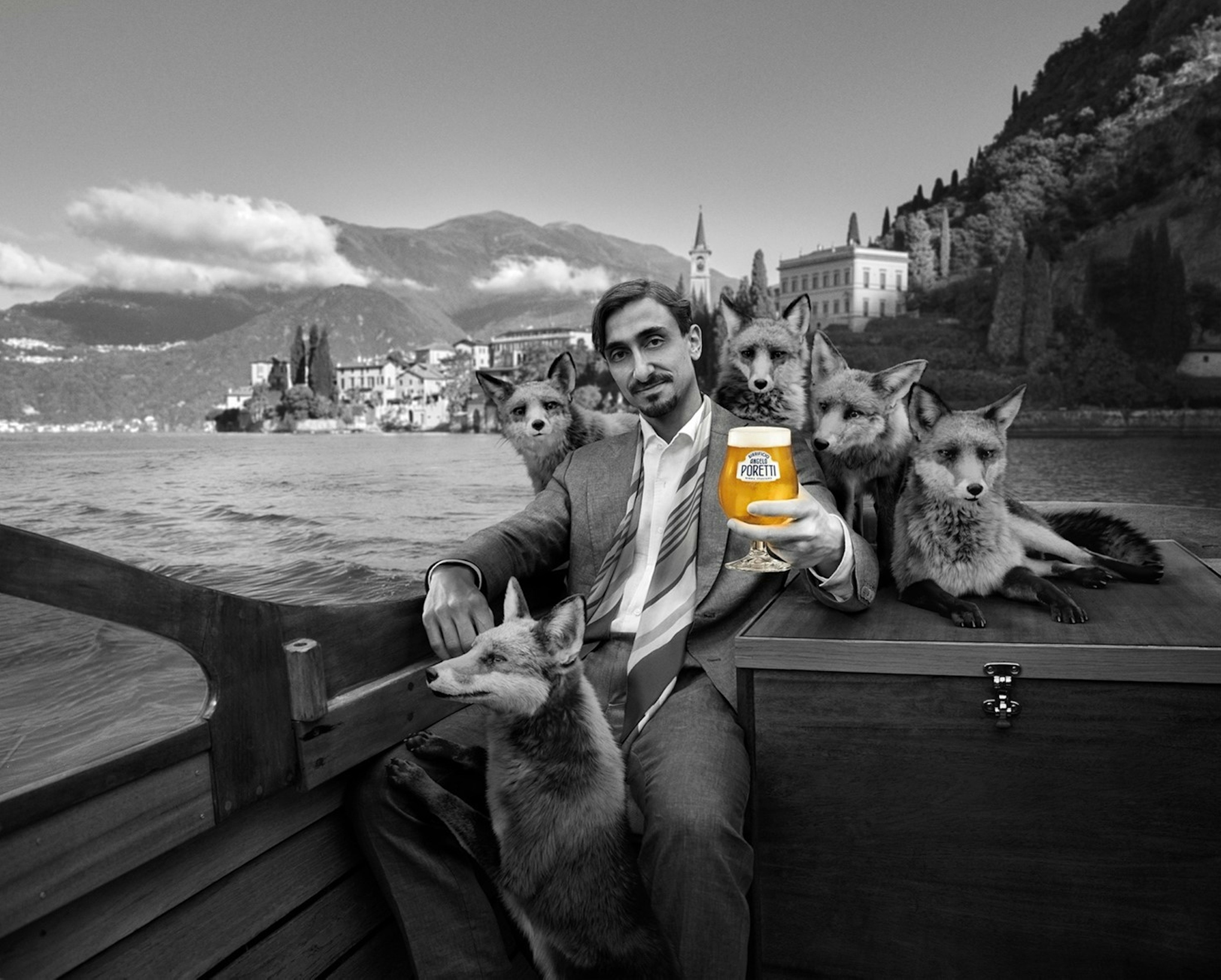
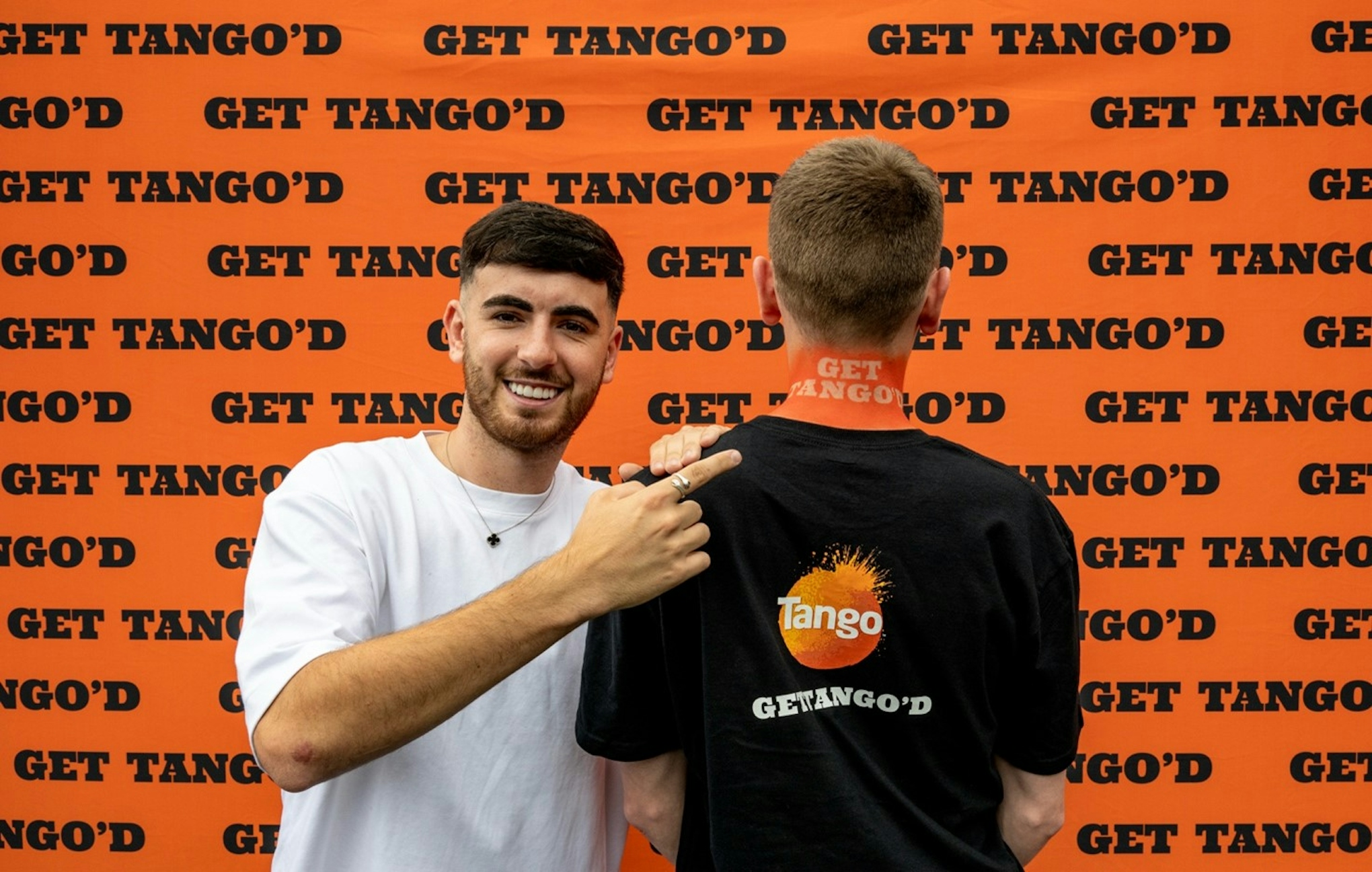
So, in 2026, brand building will continue to be fundamental as to how we’re approaching the business. Yves at Carlsberg Group shares that view. We’re going to continue to connect with our audience with bold creative. Most readers will be familiar with at least some of the creative that we’ve delivered lately – whether that be the Poretti welcome to the lake, or the ‘You’ve been Tango’d’ campaigns. We’ve lots lined up, all delivered in a ‘social-first’ world.
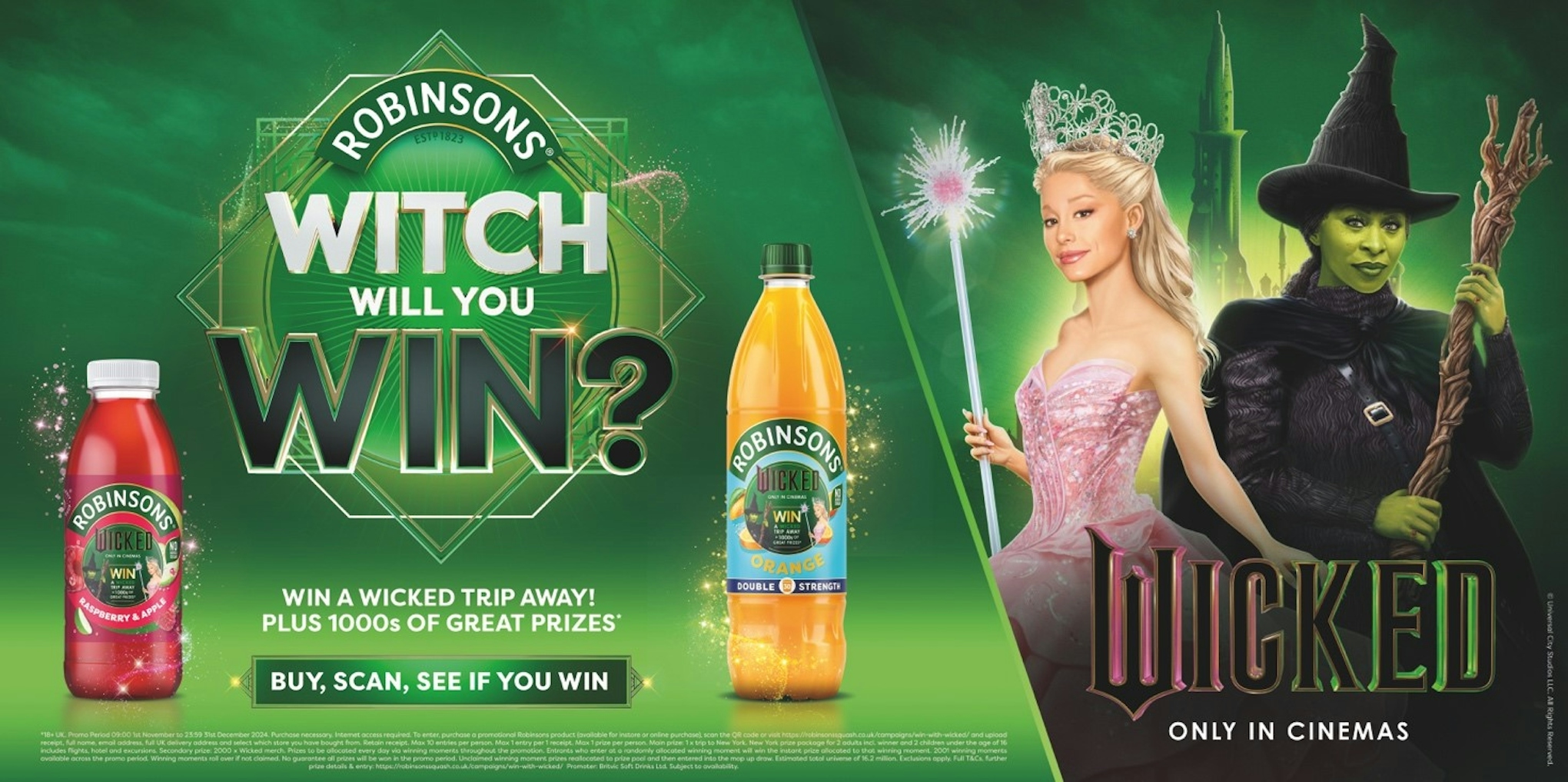
We also have amazing innovation planned and that is going to be a huge part of our playbook going forward. In addition, you’ll have seen we’ve done some really interesting activations over the last few years, like our Robinson’s/Wicked activation, and we have Wicked II happening this year.
The marketing world has changed so much. When I began my career, the media landscape was much simpler and consumer path to purchase was simpler. Now there are so many more moving parts. To work out what works best for us, I fundamentally believe in the power of testing and learning to establish what is best for our brands and our business.
How is your marketing team structured?
My team is structured by categories and occasions and functional specialists. I have a number of brand directors leading different categories and we have a few functional specialists: insights, innovation, formulation and packaging development. We also have our marketing strategy and operations team who are across digital, media, capability and, of course, operations.
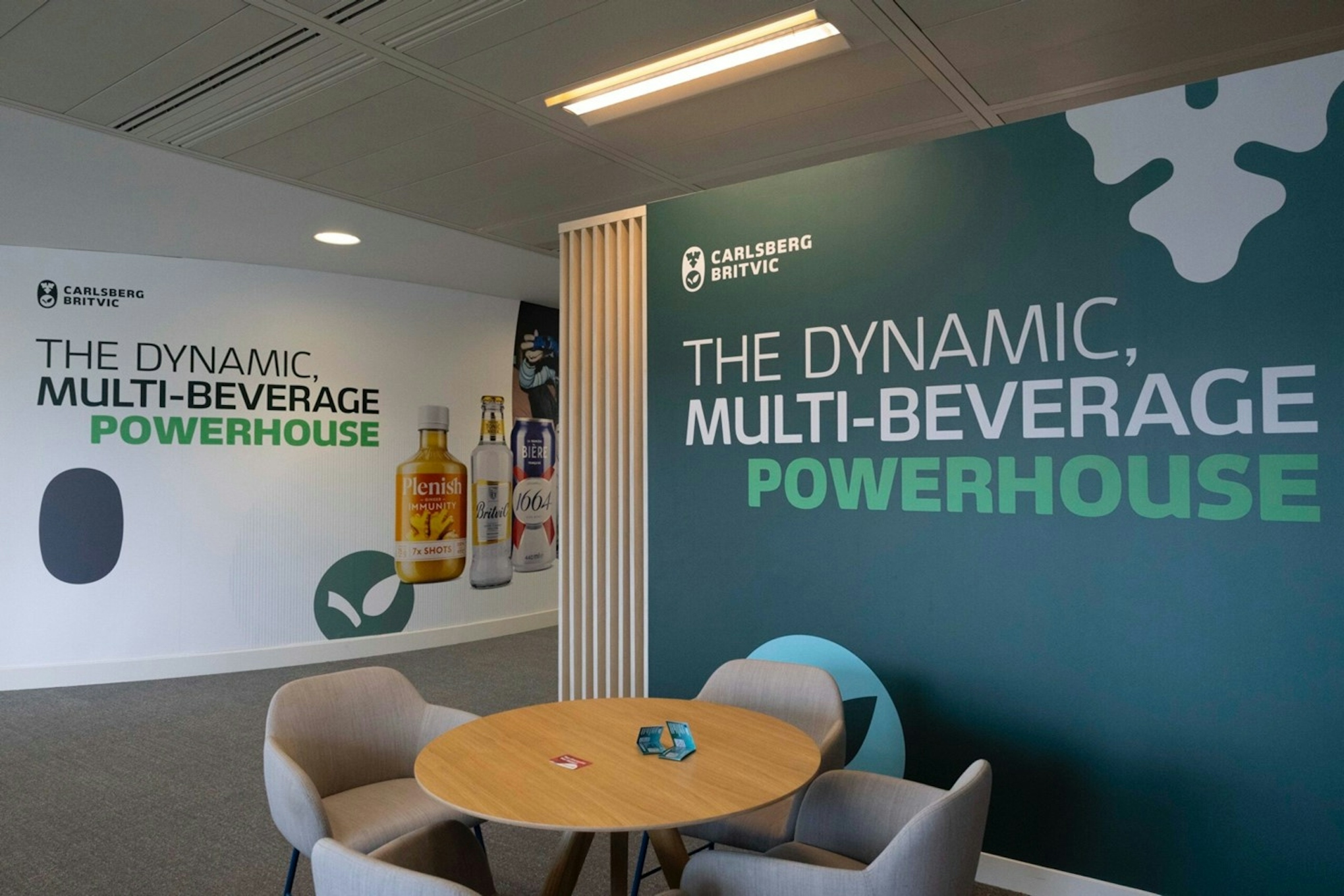
Drawing on your leadership expertise, what has your career taught you that helps you to make a great team?
What my career has taught me is that building a great team starts with a clear and compelling shared purpose and ambitious vision. Everyone needs to understand not just what we do, but why it matters – the unique value marketing brings to the organization and how it drives growth. That clarity aligns us and energizes our work.
Equally important is how we work together. We’ve built a structure that enables delivery, with clear roles and capabilities, including a dedicated focus on capability building within our marketing operations team. This ensures we’re not just equipped for today but continuously evolving for tomorrow.
Culture is the heartbeat of a great team. We foster a challenger mindset – staying curious, agile, and ambitious, rather than relying on legacy or scale. That mindset keeps us sharp and forward-looking. Trust is foundational: we invest in relationships, celebrate wins, and support each other through challenges. And yes, we make space for fun – we’re in the drinks business after all! A strong team is one that enjoys the journey together.
How do you surf the tidal wave of marketing technology?
I love it because curiosity and learning have always been key drivers for me. When something new emerges – especially in tech – my instinct is to explore: What is it? What does it do? That initial excitement is important, but I quickly move into a structured approach to assess its relevance and value. I tap into a strong network, read widely, attend events, and listen to industry leaders to understand the broader context.
Next, I build a test and learn framework. I’ll work out what is interesting, what could add value to our business? What do we think we should adopt? Is it relevant for our business? What’s the best way to pilot it? Then I consider what’s the capability we need? Should that be in-house, or can our agencies do it?
Take AI, for example. We’ve anchored our approach around four pillars: insights, innovation, media, and content. But while the tools evolve, the fundamentals of brand building remain constant. I sometimes worry that in the rush to adopt new tech, marketers lose sight of what we’re really here to do: build brands rooted in real customer needs, with clear differentiation, brought to life through compelling storytelling.
If you get that right, your brand will endure – even in a world increasingly shaped by data and automation. People connect with human stories. That’s the message I keep reinforcing with my team: in a tech-driven world, human storytelling is our superpower.
Could you tell us about a customer research discovery you’ve made that you’ve found surprising?
If your insight isn’t surprising, it isn’t an insight. If it is not surprising, then it is just a fact. And it is not something that you can leverage to differentiate to your advantage versus anybody else.
An example was the experience we had when we changed the packaging on Fruit Shoot bottles. We received feedback that changes in packaging can be challenging for some of our neurodivergent consumers.
When we next altered the packaging and did a bottle cap change, we actively worked with the National Autistic Society to understand how best to do that going forward. We worked with an influencer in that space and it helped parents and carers explain the change in a clear and reassuring way.
What myth about marketing would you most like to bust?
The first myth I’d love to bust is the idea that marketing is just for the marketing department. That’s simply not true. Every function – whether it’s sales, manufacturing, finance, or operations – plays a role in brand building. If everyone in the business sees themselves as a marketer, thinking about how their work impacts the customer experience, we unlock far greater success. Marketing is a mindset, not a job title.
Another persistent myth is that marketing is a cost center. In reality, it’s a growth engine. Yes, we invest – but we also deliver. Marketing drives both long-term brand equity and short-term commercial impact. It’s not either/or, it’s both.
Finally, the role of the CMO has evolved dramatically. We’re no longer just brand guardians – we’re also data strategists, tech adopters, and increasingly, financial leaders. Today’s marketers need CFO muscle. We’re managing P&Ls, making investment decisions, and demonstrating ROI. Budgets aren’t growing, so we need to be sharper, more commercial, and able to go toe-to-toe with finance to prove the value marketing brings to the business.
What advice would you give your younger self if you could go back in time?
If I could go back and give my younger self advice, I’d say: trust yourself – you know what you’re doing. Looking back, I wouldn’t change the choices I made. I took risks, pursued learning, and embraced challenges. I joined organizations whose values aligned with mine, and even when I debated big decisions – like changing roles or sectors – I never regretted the move once I made it.
Some choices were driven by personal or family reasons, and I stand by those too. They were the right calls for the people who matter most. I also embraced international opportunities, living in Istanbul and Paris, and those experiences were both professionally enriching and personally rewarding.
So my advice would be: believe in your instincts, stay curious, and keep a positive mindset. Every day is a school day. Don’t let self-doubt creep in, lean into your strengths and keep learning. That’s what builds confidence and resilience over time.
What question would you like me to ask the next senior marketer that I interview?
If there was something you could do differently on a brand that you worked on, what would it be and why?
Your question from the last senior level marked October that I interviewed: can you explain the difference between a consumer and a shopper in the categories you work in?
It’s a great question, and one that’s often misunderstood. The key is recognizing that the consumer and the shopper aren’t always the same person and understanding that distinction is critical for effective marketing.
Take Robinson’s or Fruit Shoot as an example: the consumer is the child, but the shopper is typically the parent making the purchase decision. So, while the product needs to appeal to the child in terms of taste and fun, the messaging and value proposition must resonate with the parent, who’s thinking about health, price, and convenience.
In other cases, the consumer and shopper are the same, like in a supermarket meal deal or in the on-trade environment, where the person choosing the drink is also the one consuming it. That changes how we engage them, often with more immediate, impulse-driven messaging.
Understanding where each sits in the purchase funnel is essential. Are we building brand equity at the top, or driving conversion at the point of sale? The triggers, barriers, and moments that matter are different and so is the content, channel, and call to action.
Ultimately, marketers need to master the consumer experience journey, knowing when and how to engage both the shopper and the consumer, sometimes separately, sometimes simultaneously. That’s how we drive relevance, resonance, and results.
What was the last cultural experience that stopped you in your tracks?
The last one that I loved was Glastonbury Festival. It was fascinating, not just for the music, but for the sheer diversity of the audience, the unexpected moments that unfolded and the brilliant marketing by the artists.
Two sets stood out: Olivia Rodrigo and Pulp. Olivia’s performance was electric, and what struck me was the breadth of her appeal with an eclectic crowd and her brilliant marketing through Union Jack clothing and her surprise guest, Robert Smith from The Cure. I was thrilled, but the younger fans around us had no idea who he was. Yet when they performed Friday I’m In Love, the energy shifted, it was magical. Olivia could’ve chosen a trendy collaborator, but instead she honored a British icon and an equally iconic British song. It was a bold move and it worked beautifully and strengthened her connection with the British audience.
Then came Pulp – a band I grew up with. Again, the crowd was a mix of generations. I wasn’t sure how familiar they’d be with the music, but the energy was infectious. Everyone was swept up in it. It reminded me how timeless great storytelling and performance can be.
And of course, as a marketer in the drinks industry, I couldn’t help but observe what people were drinking throughout the festival! It was a brilliant blend of culture, nostalgia, risk-taking, and audience insight – all things that resonate deeply with how we think about brand engagement.
Finally, if there’s one thing you know about marketing, it is…?
Marketing is brand storytelling in a human and tech-driven world that enables sustainable growth.
You might die tomorrow so make it worth your while. Worth Your While is an independent creative agency helping brands do spectacular stuff people like to talk about. wyw.agency.
This interview has already appeared in The Drum. Discover the best campaigns, industry insights and interviews from world-leading marketers, creatives and more.