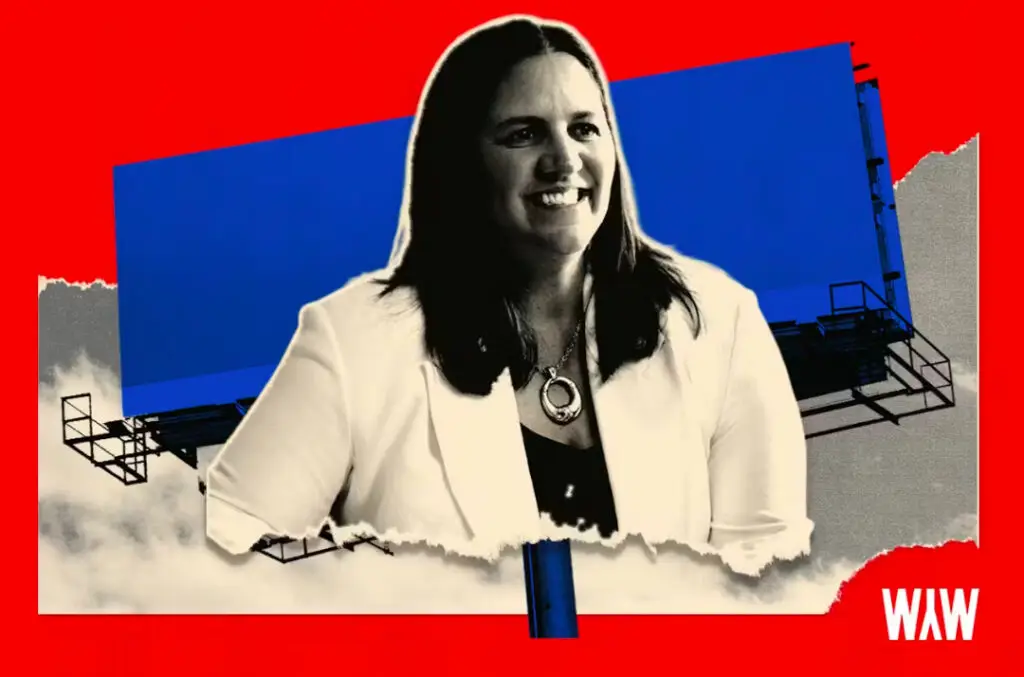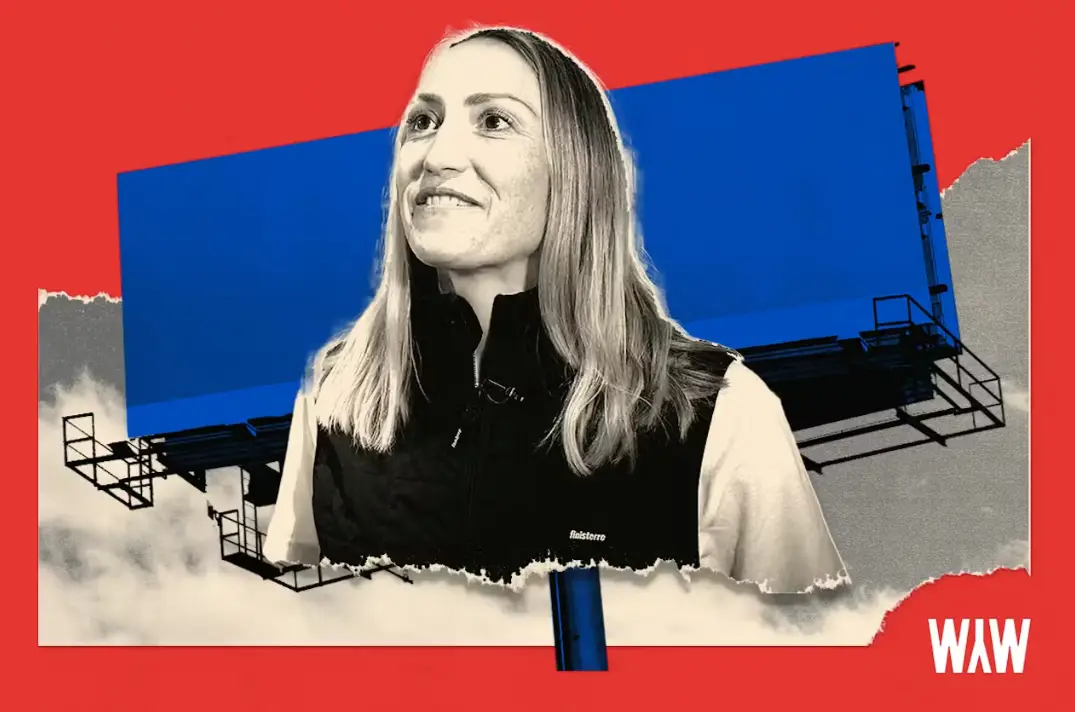
The outdoor clothing brand’s CMO tells Tim Healey why growth and marketing are inseparable and why human behaviour – not technology – remains her most reliable compass.
Your career has included time as a snowboard coach, working with a modeling agency and account direction at JWT before moving client side at Burberry, Lululemon, Pangaia, and now Finisterre as CMO. How did you find marketing and end up where you are today?
I owe a lot to a chance meeting with a careers advisor at Royal Holloway College (University of London). My degree was in European Studies, but I wasn’t sure where I wanted to go after graduating. I ended up at a careers event where I heard a number of people speak from some of the best ad agencies in the world. I ended up applying to a few grad programs and was lucky enough to get into the one at JWT. The program was great. They called it the “university of advertising”, and it gave me the start I needed to see the role that creativity plays in driving business results.
After that I worked under Marta Brnicevic at Burberry. She was looking for people who had worked in agencies – potentially for our unhealthy work ethic! But she was an incredible leader who really pushed me and the team to never settle for anything less than excellence.
I spent a wonderful two years there leading marketing across 26 different emerging markets, from Azerbaijan to the Middle East. The people who worked at Burberry at that time – under the tenure of Christopher Bailey and Angela Ahrendts – are still some of the most exciting, thrilling people I see in the industry to this day. And I just feel incredibly lucky that I got to fly in their orbit for a short time.
From Burberry, I joined the fledgling team at Canadian brand Lululemon.
Being Canadian myself, and an active user of the product, I was incredibly excited about the brand and desperate for it to come to Europe. I was speaking to a friend in the head office there and she introduced me to their VP of international marketing. For over six months, I became the Lululemon ‘person on the ground’ in London. I was still working at Burberry at the time, but I would take them to yoga and fitness classes that I attended and just chat about what was happening in the fitness industry at the time.
After a few months they offered me a job. I don’t even think there was a job description, and I didn’t want to leave Burberry, but I felt like I couldn’t let this opportunity pass me by. I spent six years at Lululemon. We grew up from £5m to £100m. One store to 35 stores. I started as a team of one, finished as a team of 13 in the brand and creative team. We grew from London to open all over Europe and even began work to launch in the Middle East.
Next, I was invited to join Pangaia, a fast-growing materials sciences brand that burst onto the scene in 2020, fueled by Covid and everyone’s sudden need for beautiful loungewear! We grew from £10m to £75m in the first nine months – it was crazy. We couldn’t keep up with our stock production – sometimes selling £2.5m worth of clothes in 24 hours as part of a pre-order (which meant customers had to wait six to eight weeks to even receive it). It was wild and crazy, and I learned a ton, but after 18 months, I was pretty burnt out.
My next role was at the ill-fated, but beautiful, startup called Voylok, which was making the most sustainable footwear in the world. They were felted woolen boots, and they were handmade by women in northern Russia. We launched eight days before Russia invaded Ukraine. No matter how hard we tried, thanks to the political situation, we couldn’t make it work in the light of the conflict.
But fortunately, just as my time at Voylok was ending, an amazing opportunity arose at Finisterre, which was searching for its first CMO. That was three years ago – and I haven’t looked back since.
What’s the offer at Finisterre?
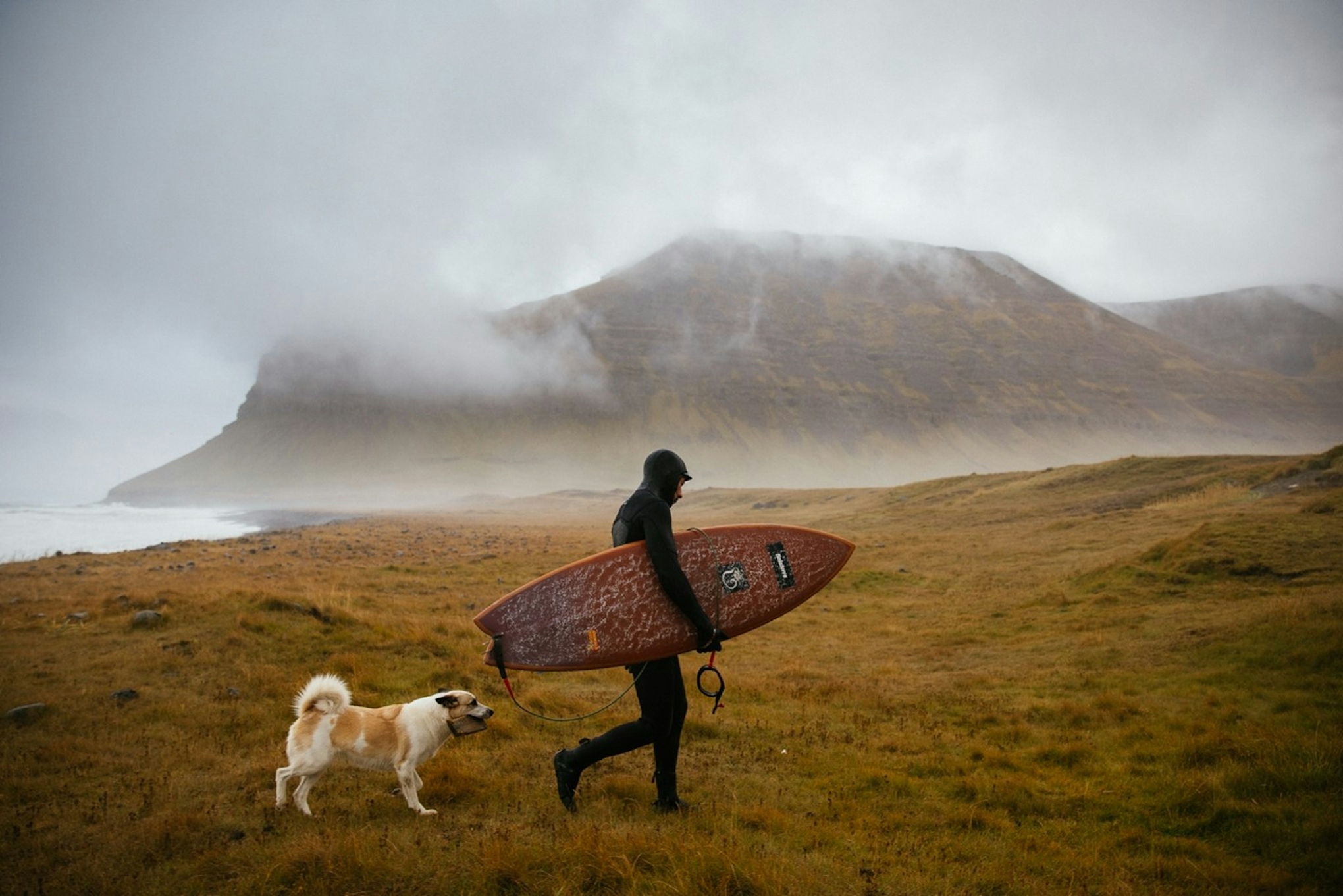
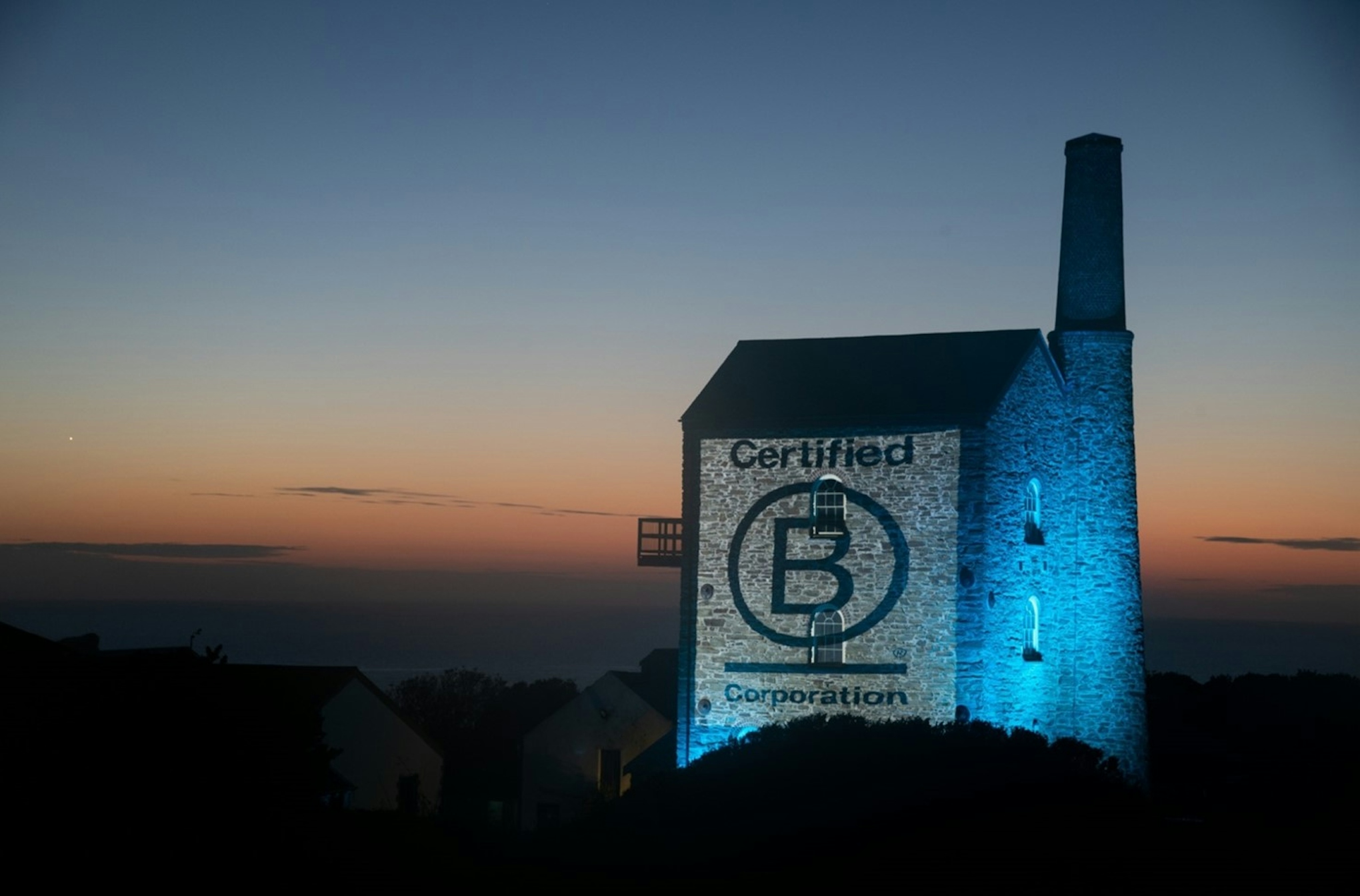
We are a B Corp-certified outdoor apparel brand based in the beautiful county of Cornwall. We make technical raincoats, beautiful knitwear. We make incredible neoprene-free wetsuits, swimsuits, and anything that you need to live a rugged coastal life.
What’s coming up in the next year for Finisterre?
We are doing our best to handle decisions made by the Trump administration! In seriousness, we are focused on profitable growth. We feel incredibly lucky and excited by what the team are achieving. The apparel world is not an easy space to be in right now. We’re growing profitably, which is a huge testament to the team and the amount of work they’re putting into it. We’re expanding internationally in the US, Canada, and the EU, as well as continuing to grow in our home market, the UK.
Alongside our growth, we are focusing on constantly levelling up our “better business” practices. We’ve just recently re-certified as B-Corp for the third time with our highest score ever – and we’re always continuing to improve our practices so that we can maintain our position as a leader within that space.
A big focus for us in on circularity. Last summer, we launched the world’s first natural rubber wetsuit rental program to enable everyone and anyone to try one of our Yulex Natural Rubber wetsuits (99% of wetsuits are made from neoprene – a toxic petrochemical). Our repairs team (known as Lived & Loved) are continuing to extend the usable life of our products – and we are about to launch this service in the US as well.
We also look at remaking products. A few years ago, we collected over 1,000 old neoprene wetsuits to see if there was a way to recycle this material. This year, we were able to commercialise the recycled neoprene into a changing mat.
Retail also remains a big focus area for us – we have already opened three new UK stores this year – in Poole, Cambridge and Cardiff – as well as recently opening in Selfridges (on top of other lovely wholesale locations). We believe that retail is more important than ever, as customers look for authentic brand experiences to drive connection.
How is your marketing team structured?
We have a creative agency, and then we’ve got the marketing team. The creative agency is led by our content director, supported by graphic design, art direction, photography, copy and content production. They answer briefs that are given to them by the rest of the business, but also predominantly the marketing team.
Want to go deeper? Ask The Drum
Then over on the marketing side, we have a global head of community, head of CRM, and head of paid digital who drive all our marketing channels. Between the creative and the marketing side, we’ve got a brand management team who assemble the briefs – especially anything around product storytelling or impact. The brand team support the rest of the channels with the assets and storytelling that they might need.
Drawing on your leadership expertise, what has your career taught you that helps to maintain a great team?
I think my biggest learning has been to allow other people to contribute to my success. Early in my career, I wanted it to all be about me: any success needed to be seen as “thanks to me”. It took a lot of humbling scenarios and occasional complete failures for me to realize that I’m going to be a lot more successful if I allow other people to contribute. I still see this behavior in many junior team members – and I empathize. It’s hard when you’re starting out and trying to have an impact, so my job is to encourage them to open themselves up to others’ input, and to see that their success lies in bringing others along with them.
My job as a leader is to create the conditions for my team to thrive. I need to create conditions for creativity, for innovation and for respectful debate. I’ve found time and time again that if I can get this right, then the team will collaboratively engineer success for the business.
What is your memory of the first time in your career that you felt: “Marketing is the career for me?”
I think when I got to Lululemon, who grew their business through true community marketing. I remember launching a new store by hosting yoga for 300 people in the Royal Opera House and thinking, “If this is marketing, then I’ve found my home.” It’s something I still bring with me to each and every job – ultimately marketing is about creating a connection with people and the single best way to do that is through shared experiences.
How do you manage to surf the tidal wave of marketing tech?
Everyone is looking for a shortcut to make marketing easy and everyone is forgetting marketing is still an art, not a science. My view is that the more we try and make marketing a science, the more we forget that humans are at the heart of it.
I’m always really curious about tools that enable the team to make better decisions and to be more informed. But I don’t believe there are tools out there that’s going to make the discipline of marketing easier or by extension make us ‘better at marketing’.
Of course, you need to be across the tools that will most benefit the team right now. But be careful: it’s so easy to build a tech stack that’s unwieldy, expensive and underused. With everyone’s appetite to integrate AI, this can be overlooked. Often with new tools, it is a case of ‘wait and see’ and ‘test and learn’.
Technology is moving so fast it is hard to predict what’s actually going to be around in another 18 months – and on top of that, what human behavior will change over that time period.
For example: it’s really easy to say: “Oh, search is dead, because everyone’s going to search via ChatGPT”…. I think we need more than 12 months’ exposure to new technology and a bunch of LinkedIn folks posting that the “world we know has changed” before we all change our strategies. I like “little and often” testing – not going the whole hog on a whim.
Tell us about a customer research discovery you’ve made that you found surprising?
We’ve learned time after time that when it comes to sustainability, everybody says it matters, but very few people are willing to pay for it. Fortunately for us, the Finisterre customer does care about it and holds us to a very high standard, but I think more broadly speaking, customers are still mostly swayed by trend or price.
What myth about marketing would you most like to bust?
That ‘Growth’ is different from ‘marketing’. Six years ago, I went on maternity leave with my daughter and when I came back it felt like everyone I knew who used to be a marketer was now a “growth engineer”. Or even worse, people with zero marketing experience were telling businesses that they didn’t need marketing, they needed “growth”.
Marketing is growth. If it’s not, then it’s simply not doing its job. But it’s also more than that – it’s a deep understanding of customer, of trends, an obsession with product and human behavior etc… So anyone who asks me whether or not they need a “growth” team is demonstrating to me that they don’t actually understand marketing at all.
What advice would you give your younger self if you could go back in time?
I think I would advise myself to have better boundaries. Your identity is not the brand that you work for. And of course, my big learning: let people contribute to your success.
What question Would you like me to ask the next senior marketer that I interview?
Please ask them: what are you doing today to ensure your business is ready for climate change?
We are delusional if we think this is coming for our brands and businesses. The world is heating up, the climate is changing, and consumers (and employees!) want to know what we are all doing about it. And frankly, if we want to ensure there are still consumers to market to, then we all need to be asking ourselves the tough questions around what we are willing to sacrifice to be better to the planet.
Your question from a previous senior marketer that I interviewed is: please tell me about the last cultural moment you experienced that stopped you in your tracks? (And it must not be an advert).
Does K Pop Demon Hunters count? I think it completely demonstrates that if you make something that parents like to watch, then it will be watched by every child on the planet.
What should you do when you get pushback in the boardroom for your ideas?
When I get push back in the boardroom, I shut up and listen, then I ask clarifying questions. You get pushback for very rational reasons: even if the pushback can feel emotional. I think: what do I need to do to prove my point here? What data do I need? What compelling storytelling do I need to do in order to bring the board on the journey with me?
If there’s one thing you know about marketing, it is?
It all comes down to people. You can have all these data solutions, you can have all this tech, but ultimately, we are trying to convince human beings, and human beings cannot be put in a box. They will change their minds from one day to another. They are not rational or logical. They’re highly influenced by others. They change the way that they make their decisions from day to day. They also care far less about your brand than you think they do.
As marketers, we mustn’t let go of the humanity and instinct around marketing: I love that we’re more data-informed than we’ve ever been, but we still have to be creative, to trust our guts and listen to our customers.
You might die tomorrow so make it worth your while. Worth Your While is an independent creative agency helping brands do spectacular stuff people like to talk about. wyw.agency.
This interview has already appeared in The Drum. Discover the best campaigns, industry insights and interviews from world-leading marketers, creatives and more.