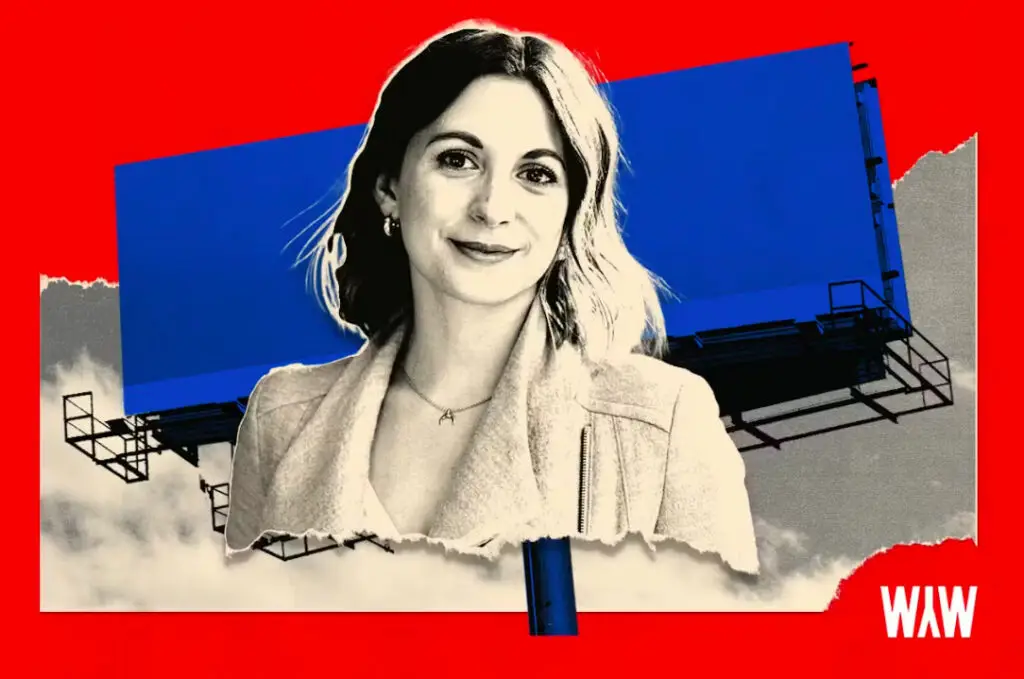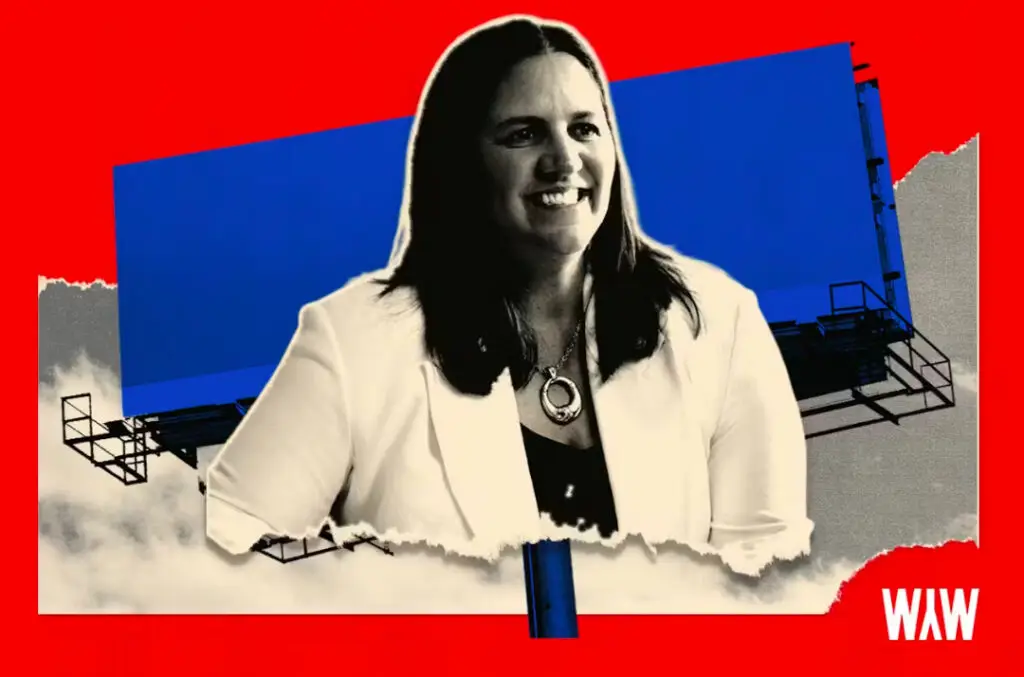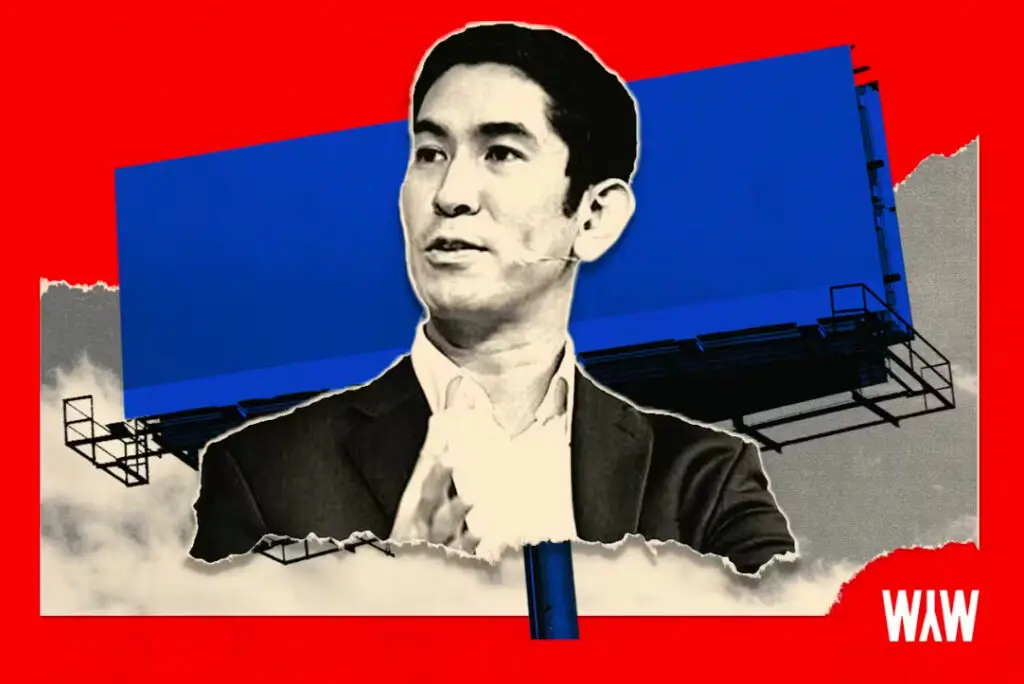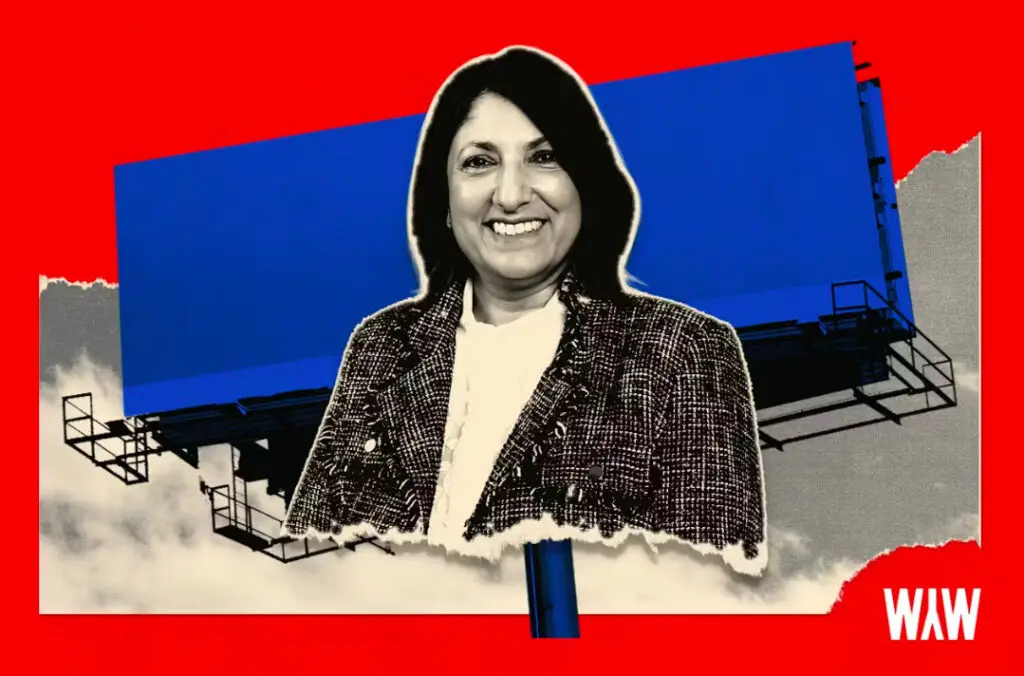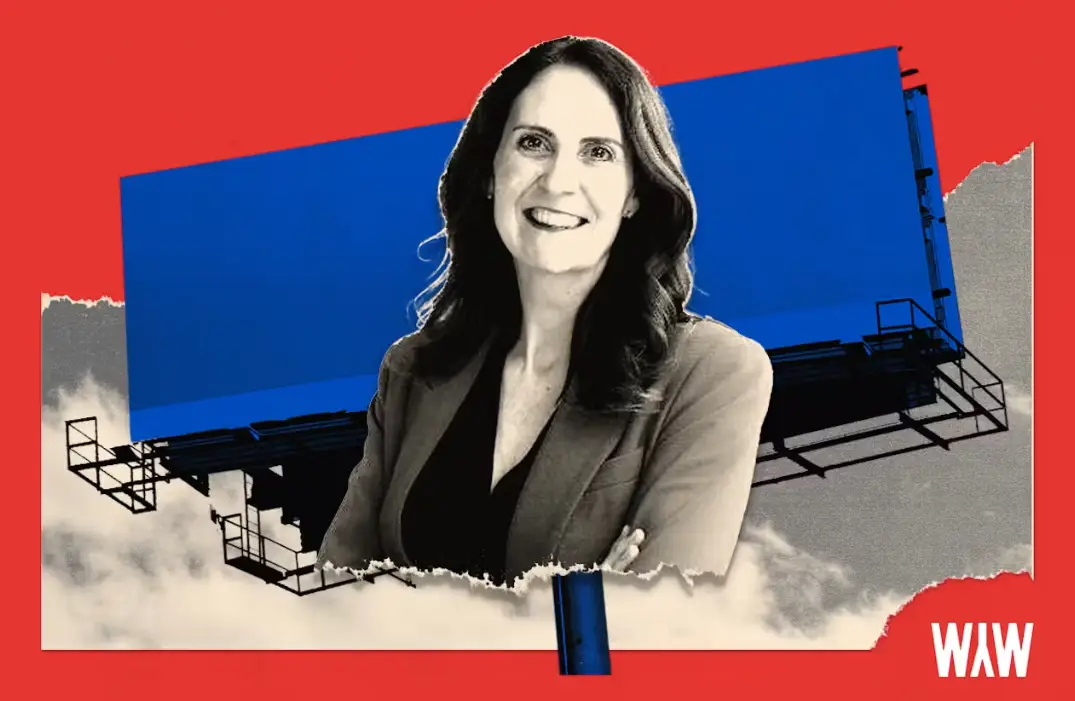
The vice president of Kellogg’s cereal transformation talks to Tim Healey about rallying teams, embracing change and unlocking the full power of the Kellogg’s brand to spark growth across 30 diverse markets.
From your time as account manager at Colgate-Palmolive to senior leadership roles at Kellogg’s in operations, innovation and now cereal transformation, can you walk us through your career journey?
Colgate was a fabulous place to start my career: a big company with a small family feel. I loved that Colgate’s brands and products had a small but really important role in the lives of consumers every single day. Colgate toothpaste is the leader of one of the highest penetration categories in the world!
I had no plan to leave Colgate, but a house move and a call from a headhunter working for Kellogg’s changed that. Kellogg’s had always been on my radar as one of the world’s best food companies.
On arrival at Kellogg’s, I realized that I really wanted to work at an organization whose purpose aligned with my values – and Kellogg’s was just such a business. I worked in sales and customer marketing roles for five years and also had two beautiful baby boys.
I came back from my second maternity leave with the conviction and courage to broaden my career experience. I moved from being an associate director in sales to a brand manager in marketing. I was a relatively young associate director and making this move was ‘a step back to take a step forward.’ As a brand manager, I was older than my peers, and that was humbling – it felt like I was getting paid to go back to school!
I learned my brand foundations from talented peers and some incredible leaders who gave me the freedom to develop and grow at pace, but also simultaneously hone those core foundations that have been so critical to me in my more recent career.
I managed different portfolios on the brand side, led our marketing operations team in the early days of digital transformation, and then, right before coming to Europe, headed up our innovation team, which was an absolutely fabulous end-to-end experience. We launched foods across five categories, including Cheez-It, which was our biggest launch in Canadian history.
During the Covid pandemic, the whole world went upside down, and I got the dream of a lifetime to come to Europe on a global assignment with Kellogg’s. I remain hugely grateful that my husband was willing to take a step back from his own career. As a family, it’s the best decision we could have made. My husband has reinvented himself: I’m so proud of him, and our two sons are absolutely thriving.
Professionally, it’s been an absolutely outstanding phase of growth. I started my new role, leading our Taste Portfolio of cereal brands in Europe. I now lead our entire cereal business across than 30 markets, with a turnover of around $1bn. It is a dream come true.
I’m a morning person which is probably a good thing when you lead a cereal business, but I really do wake up every day, thankful to work with the amazing people I do in Europe. It’s such a diverse, scaled and complex market. I love what I do, and I’m super-grateful that I have that opportunity to do it.

Jenn takes to the stage to speak about all things Kellanova.
What’s the offer at Kellanova?
We’re on the cusp of yet another transformation. About two years ago, Kellogg’s decided to spin off its international cereal and snacks businesses globally, so we formed two companies.
There is WK Kellogg company that leads the Kellogg cereal business in the US, Canada and the Caribbean. I’m part of Kellanova, a snacking powerhouse and a completely separate entity.
Having formed a couple of years ago, our ambition is to become one of the world’s leading snack-led food companies. Pringles is the biggest brand in the Kellanova portfolio. Kellogg’s is a $5.2bn brand across all Kellanova categories and markets, and one of our most iconic. Other brands include Cheez-It, Rice Krispies Squares (or Treats, as they’re called in the US) and lots of other snack brands.
We also have this international cereal, snack and noodles business that all leverage the Kellogg’s master brand – one of the most valuable food brands in the world. It was only once the Kellanova spin-off had happened that we realized we were under-leveraging the powerhouse brand that is Kellogg’s. As a result, we’re now turbocharging the potential of the Kellogg’s business and portfolio.

The recent Kellogg’s campaign made a hero of the iconic Kellogg’s cockerel, Cornelius, striding through a city at dawn.
Business-wise at Kellanova, it looks like everything’s on the up. What’s coming up for you over the next 12 months?
My title is Kellogg Cereal Transformation. When you get that remit in the context of working for Kellanova – a snacks-led powerhouse – it’s a fascinating backdrop.
My job is to reignite cereal category growth across Europe. The category is growing, but not as robustly as it could be – some of the fundamentals really needed to be addressed. As brand leaders in the category, we actually owe it to ourselves, the customer, the category and even our competitors to drive that growth.
We’re doing our very best to respond to changing trends. We’re seeing lots and lots of change in breakfast behavior: what people are eating, where they’re eating, how they’re eating. We’re seeing people shop in different channels. We’re also seeing people really struggle with the cost of living.
We also acknowledge that the makeup of modern families can be so different from what we would have been stereotypically thinking years and years ago as the Kellogg’s business. My job for the next 12 months and beyond is to reignite the category. I need to rally the team at Kellanova in Europe and across all our agency partners around that growth ambition.

The iconic Kellogg’s cockerel, was reimagined as the UK’s largest fully-functioning weathervane, in Lowestoft, towering at an impressive 21ft tall.
How is the marketing team structured at Kellanova?
The cereal team is structured in three areas of responsibility. I have a team responsible for innovation and initiatives, they are in charge of everything new that we launch into the world. I have a team that focus on the consumer and shopper experience. Every piece of communication, all of our media strategies and briefings, and all of our partnerships and promotions are led by my consumer and shopper experience senior director. The third team is responsible for portfolio strategy and performance.
The Kellogg cereal business is represented by 17 sub-brands. It’s quite a complex business so we decided to redefine the marketing teams in this way, to harness the specialisms that would better help us to achieve our goals.
It’s important to note that we work very closely with our local markets. In Europe, nothing happens without the local market activation teams creating their magic in their unique cultural customer environment. Then we also have a team at Kellanova called ‘The Dice Team’ – DICE stands for design, insight,commerce and experience.
It would be remiss not to mention the other teams who are pivotal to our marketing in an end-to-end and cross functional fashion – finance, R&D, supply chain – all the different functions that are required to execute the commercial plan for our cereal business.
Want to go deeper? Ask The Drum
- How are recent trends impacting the cereal market?
- How do brands adapt marketing in a digital-first world?
- What are effective leadership principles in marketing?
- How can brands effectively connect with diverse consumers?
- How do large food companies foster innovation in marketing?
Drawing on your leadership expertise, what has your career taught you that helps to make a great team?
Two things come to mind. Be inspired and be inspiring. Continue to grow your own leadership, ensuring you are surrounded by internal and external mentors, peers, thought leaders and champions who help you learn, do and become your best. And, inspire others to shine bright, believe in the incredible things we can accomplish together, and create the conditions for individuals and teams to do their best work.
Second, and this is really more about my own leadership, I’m going to borrow a quote from a leader that I really admire: Craig Groeschel: “People would rather follow a leader who’s always real than a leader who’s always right.”
I try to be an authentic, genuine leader. I’m not perfect. I have high standards for myself and for others, but I’m on a journey to continue learning and to help others unlock their potential, and I try to do that in the most authentic way that I can.

Based on extensive customer research and insight, Kellanova celebrates how everybody’s mornings are different – some more chaotic than others.
What’s your first memory of a marketing success that you were part of where you felt: this is the role for me?
In one of my very first campaigns, I was leading a cereal snacks brand in Canada. It was at my very first shoot with actual humans, as prior to that I had been doing a lot of animated character work. The campaign was all about sharing the insight that a mum could put a treat in her kid’s lunch box, and on that little treat, there was a white space where you could write a note.
As a mom, that really resonated with me: you could write: “Have a great day at school, Will” or whatever you chose to say. In the shoot, there was a mum and a little boy, and they had their arms wrapped around each other. The little boy had the product wrapper with that white message in his hand.
It felt magical to see something that I had briefed into a creative team had now become real. We find these insights that inform our approach to tackle business problems, which then becomes a brief, and with the right stimulus it turns into creative magic that has the potential to change behaviour.
It also taught me that marketing needs to connect with people in real, emotional ways. When you can make that connection where an insight comes together with a real human problem, and serve it up in a creative way, the result is powerful.
It’s so important to measure. To go into the market and listen to what consumers are thinking, both qualitatively and quantitatively. But at the end of the day, you also need to do a ‘gut check.’ If you were at a dinner party, or if you were driving down the highway and saw a billboard that was work that you had signed off, would you be proud to have your name signed at the bottom of it?
If you are, that’s the best possible feeling. I try to remind myself and remind my team every single time we’re signing off creative work: it is a privilege to do the type of jobs that we do – to connect with consumers in this special and unique way.
AI in marketing: what might be some ‘pros’ and what might be some ‘cons’?
I am trying to do something small in my life every single day with AI that makes it better and more efficient. I think the simplest answer to your question is that AI is a powerful tool that takes some of the things that are painful and time-consuming to do in marketing, like customization at scale, and makes them possible, so there are some quick-win business cases.
What AI doesn’t do is replace the power of a brilliant human creative idea. AI doesn’t currently, and I’m not sure if it ever will, connect in that same authentic way that humans can connect with each other. I think that is the most important thing we need to remember.
We should leverage AI for what it’s great at: we need to get good at prompting and using it as a powerful tool to help accelerate creativity. But equally, we should never use it as a crutch or a replacement for truly brilliant human creativity.
Could you tell us about a customer research discovery that you found surprising?
About a year and a half ago we undertook the largest ethnographic study we’d ever done in Europe around people’s breakfast routines. We had a number of hypothesis myths – tropes even – that had been guiding us for a number of years.
We decided to take a step back and spend time with diverse consumers across our three key markets: the UK, France and Italy. We spent time with them in their homes, monitoring and observing their morning routines. It was the most emotionally powerful research I have ever seen.
We listened online and then had debriefs where facilitators, respondents and us – the clients – were all crying because people confessed what ‘a real morning’ is for them. Giving people the freedom to express what was ‘a real morning’ rather than describing the ‘perfect morning’ was such a gift.
Out of that research emerged a really powerful insight: no matter how you start your day, you need some ‘you-do-you-time’. ‘It’s the time that you spend setting yourself up for the best day possible. You might be together with others, or you might be completely alone, but regardless of how it is to have the best day for you, you need to have ‘you-do-you-time.’
‘You-do-you-time’ includes what you have for breakfast, how you eat it, where you eat it, who you eat it with. All of us could relate to what our consumers were saying – and that was supremely powerful. And that’s the insight that sparked the entire creative campaign that we’ve launched in 2025.

Kellogg’s In store activations in French supermarkets.
What myth about marketing would you most like to bust?
The myth that marketing is only an art, not a science. While I believe creative excellence is marketing’s superpower, it’s crucial to remember that effective marketing is grounded in insight, data, and analytics. Successful marketing that drives commercial results starts with rich human insight, a clear understanding of past performance, business challenges, and opportunities, and a sharp focus on the job to be done. The magic happens when we bring all of this together, create the conditions for our teams to do their best work, and have the courage to unleash their ideas in the real world!
Could you tell us about a time that you had to pivot a marketing strategy due to unexpected results?
I feel like pretty much any senior marketing leader is going to relate to the constant pressure to deliver short-term results while trying to build long-term brand equity. There’s a constant tension to adjust and optimize our campaigns in light of budget pressures.
I don’t know that I would call it pivoting. It is more about asking: how can I make choices that protect long-term brand building as best as humanly possible, while still ensuring that I can deliver the short-term results that are needed to fuel the long-term brand building.
What advice might you give your younger self if you could go back in time?
Get comfortable being uncomfortable. The things that challenge you are often the things that really change you in the best possible way. With the benefit of hindsight, most of us can see that challenges often unlock growth.
You need to stay curious, stay humble, keep learning from anyone, anytime. I will always be on a journey to becoming a better leader,marketer and businessperson. And I would also include becoming a better mom, wife, sister, daughter,and friend too!
Could you tell us something that maybe not a lot of people know about you?
At the very core of who I am, I’m a Christian. So I make all of my decisions based on a really strong foundational faith. I try to stay open to what everyone else might believe or not believe. But at the same time, to really get to know me is to know that one of the most important forces and values in my life is my Christian faith.
Do you think marketing will still be a career in 10 years’ time?
Brands are built by marketing and at the center of marketing is connecting with people. As long as marketing is for people, it’s going to be relevant. The moment that we don’t make marketing for people, then it won’t be relevant.
As marketers, we connect emotion with real human problems and insights and we offer solutions in the form of products or services. People are going to have emotions. People are going to have problems. These problems will need solutions.
At the end of the day, if we don’t do our job, which is to create those connections and unleash the power of creativity to solve those problems, our businesses will become commoditized. If you take a long term view: all of the conditions that provide the need for marketing today are unlikely to go away because they’re fundamental historic truths.

But the profession will evolve. The pace of change today is probably the slowest pace of change we’ll ever see in marketing and in the world as well. But the human truths that sit behind it – the need to solve real-world business problems and provide creative solutions through products and services that connect with customers, culture and categories – those things are timeless. As long as we can create a relevant role within the industry, why wouldn’t the career be ‘future proof’?
What question would you like me to ask the next senior marketer I interview?
I have two. First: on the technical/functional side, when you’re prioritizing digital transformation initiatives, what is the framework you’re using to make fact-based decisions so that you don’t get completely overwhelmed by the number of pilots you could be running?
We’re all grappling with the challenge of how much time and energy we should spend on digital transformation, as we need to find the simplest way to create a case that can be scaled.
Second: on the human intelligence side, what’s your most effective strategy for influencing CEOs, CFOs, and any cynical key stakeholders that marketing has commercial value that punches above its weight? I have my own strategies, but I would love to know best practices and strategies of fellow senior marketers.
Your question from a senior marketer: if you had a magic wand, how would you solve the cross-platform measurement challenge?
I would love to believe that we had a sophisticated enough digital infrastructure at Kellanova that provides us with an in-house solution – a way of collating and visualizing all of those data points with a really simple, AI-enabled model that could standardize and prioritize all the data – helping us generate the insights and analytics that we need to make the best business decisions.
While we’re on a digital transformation journey at Kellanova, we’re not quite there yet. So if someone could make a simple, affordable solution that would make it easy for us to convince the finance department based on ROI then I would absolutely love to hear about it.

Beyond the big screen, ‘See You In The Morning’ included in-store activations in the UK.
If there’s one thing you know about marketing, it is?
People come first. The people that we make our foods and brands for are at the center of everything. Marketing is like life. It’s about making relevant connections with real people. When you take the time to get to know them, you can unlock incredible things.
If you put that deep understanding of people, their culture, their context, our categories, and our competitors together with the power of creative excellence, then you have an incredible opportunity to drive almost limitless positive impact.
You might die tomorrow so make it worth your while. Worth Your While is an independent creative agency helping brands do spectacular stuff people like to talk about. wyw.agency.
This interview has already appeared in The Drum. Discover the best campaigns, industry insights and interviews from world-leading marketers, creatives and more.