Welcome to another edition of Effectiveness Espresso. In this series, strategist Rob Estreitinho looks at the advertising that actually works (with results), so you don’t have to. This week: State Street.
The marketing problem: why mid-cap ETFs were being ignored
State Street Global Advisors’s mid-market ETF product had a 10-year decline in market share. Why? Unlike small gaps (growth) or large caps (stability), investors saw mid-caps as a boring ‘best of both’, which essentially means it did nothing particularly well.
So these sorts of financial instruments made up 11% of portfolios, despite representing 24% of the equity market. A significant gap.
The logical response? Explain the value of mid-caps. Go all in on all the reasons you should add them to your portfolio. But the team decided to take another page from the behavioural science book: loss aversion. Show what happens when you take something away.
The campaign idea: the MDY Mid-Cap Cup
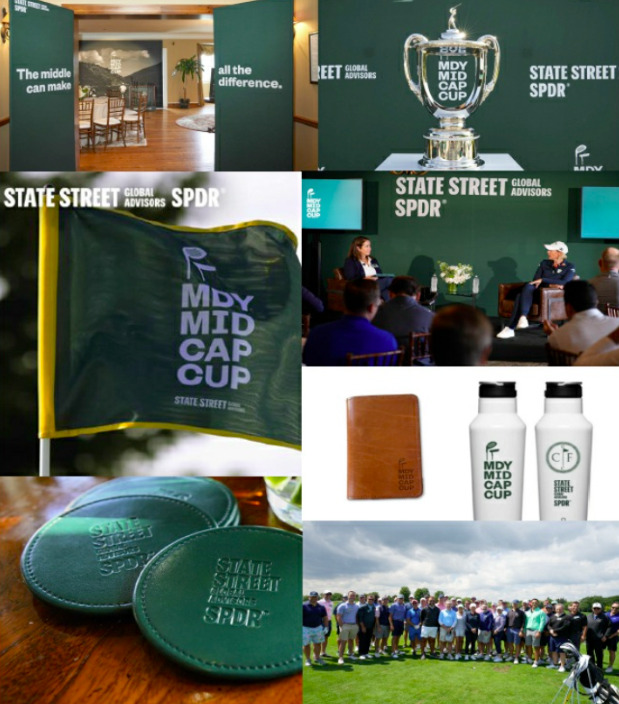
The MDY Mid-Cap Cup, where golf legends play without their middle clubs for the first 9 holes, then again with their full bag. Why golf?
Because their research showed that financial advisors, who were the target audience, were 5x more likely to play it. Simple, yet smart.
They executed it as a long-form film showing how the tournament was going to work, which by itself would have landed the message. It’s a distinct concept which makes the point, so job done. Or is it?
They then went further and actually hosted a live MDY Mid-Cap Cup event, where top clients tried playing golf without the middle clubs. A lateral way into a product demo… but as we will see, it worked.
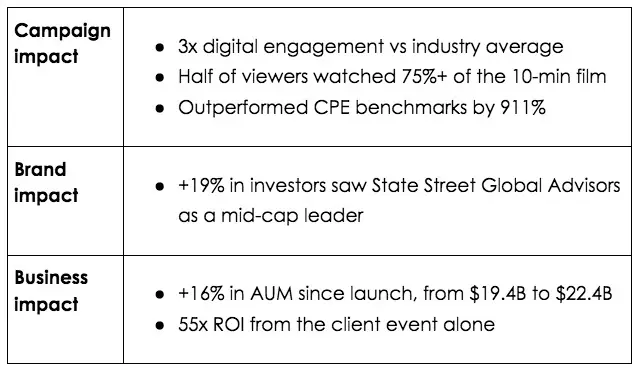
The results: campaign, brand, and business impact
Their full paper offers a fairly compelling argument that the strategy of taking something valuable away can pay off, when done well.
3 marketing lessons from the MDY Mid-Cap Cup
- Lead with loss, not gain. Sometimes the way to land a point is to show what happens when you take something valuable away.
- Be interested in their interests. Think about what your audience cares about, and use that to make a point about your product.
- Make product demos fun. Embed a central idea into even your lower funnel touchpoints, so people notice and remember you.
About the author
Rob Estreitinho runs Salmon Labs, a strategy studio that helps service brands make sharper decisions. Subscribe to his newsletter here.