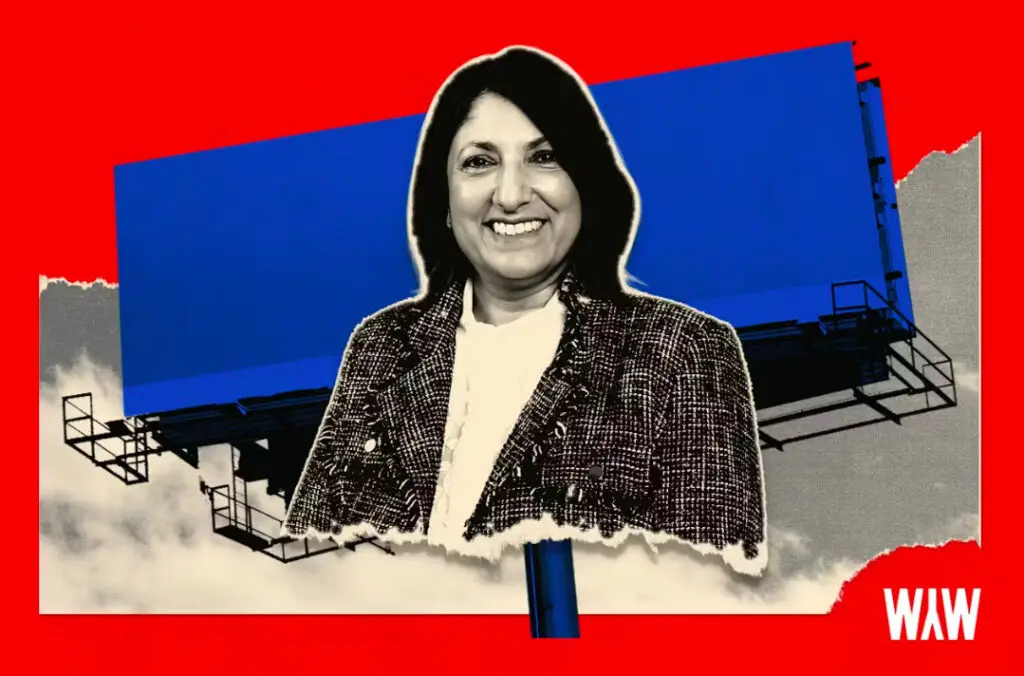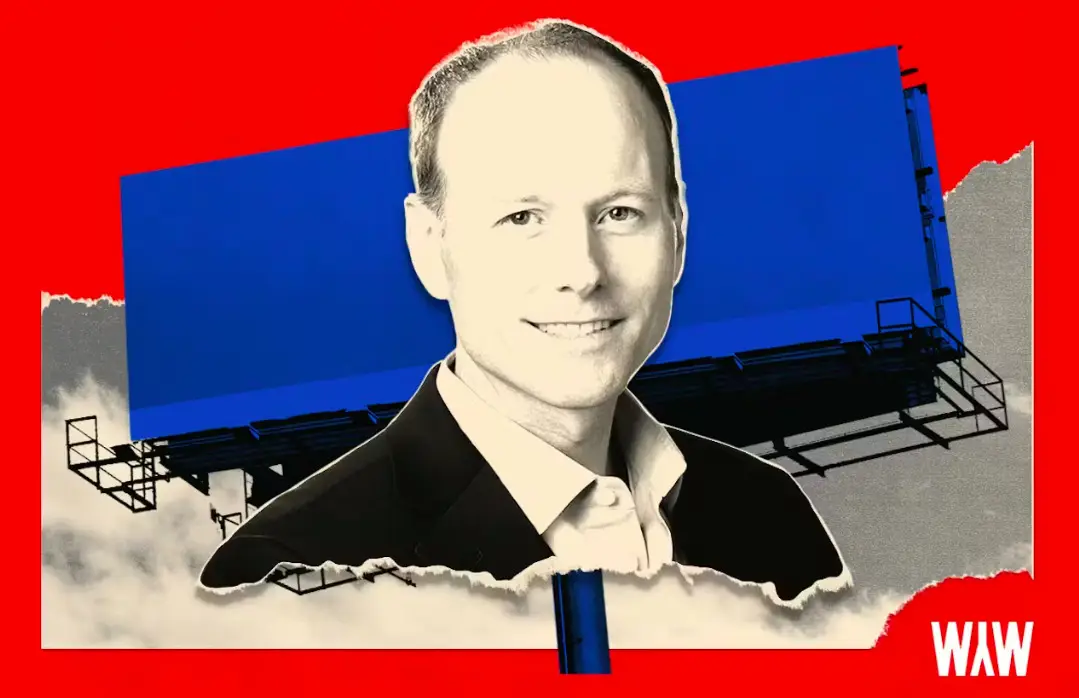
The enterprise data CMO tells Tim Healey why judging marketing activity in isolation leads leaders to the wrong conclusions, and why marketing only works when viewed as a connected system.
You were at Polycom for 17 years and now you are executive vice-president and CMO at Informatica. Could you give us a whistle-stop tour of your career, how you found marketing and how you wound up at Informatica?
Marketing was really not on my list of career objectives when I left university. I was in operations [in the insurance industry], but I saw what the marketing team was doing and started to support the marketing function with a few projects. I decided to go back and get my MBA and then concentrate on marketing.
I jumped into GTE Wireless, which was then a cross between B2B and B2C in the cell phone industry. I got a lot of great experience there – especially on the analytical side of marketing. I did a lot of spreadsheet work in terms of analytics, pricing and forecasts, which helped to lay the foundation of my curiosity in data and my business acumen.
I worked at four businesses that went through considerable growth and transformation. I then moved to Palm and worked on the world’s first wireless handheld device and service: the Palm VII and what we called the palm.net service. We went from zero to 100,000 subscribers.
From there, I joined Polycom and stayed for 17 years moving through a wide variety of different roles. I got a good perspective after doing product management, product marketing and general management. I was a P&L owner.
I managed an engineering team for the first time and was part of a team that started the voice-over-IP business at Polycom. We disrupted the model and launched phones that would connect into any service. It was excellent learning on starting a new business. One of the key partners we worked with was Microsoft’s Unified Communications team.
Most recently, I’ve been working at Informatica on their transition to cloud-based, AI-powered data management. The past three years at Informatica have been really some of the most rewarding that I’ve had in my career, because of the technology and the people that I’m working with. The CEO, the board and the executive team provide amazing support that has given me the opportunity to build a world-class marketing organization.
Could you please explain the offer at Informatica?
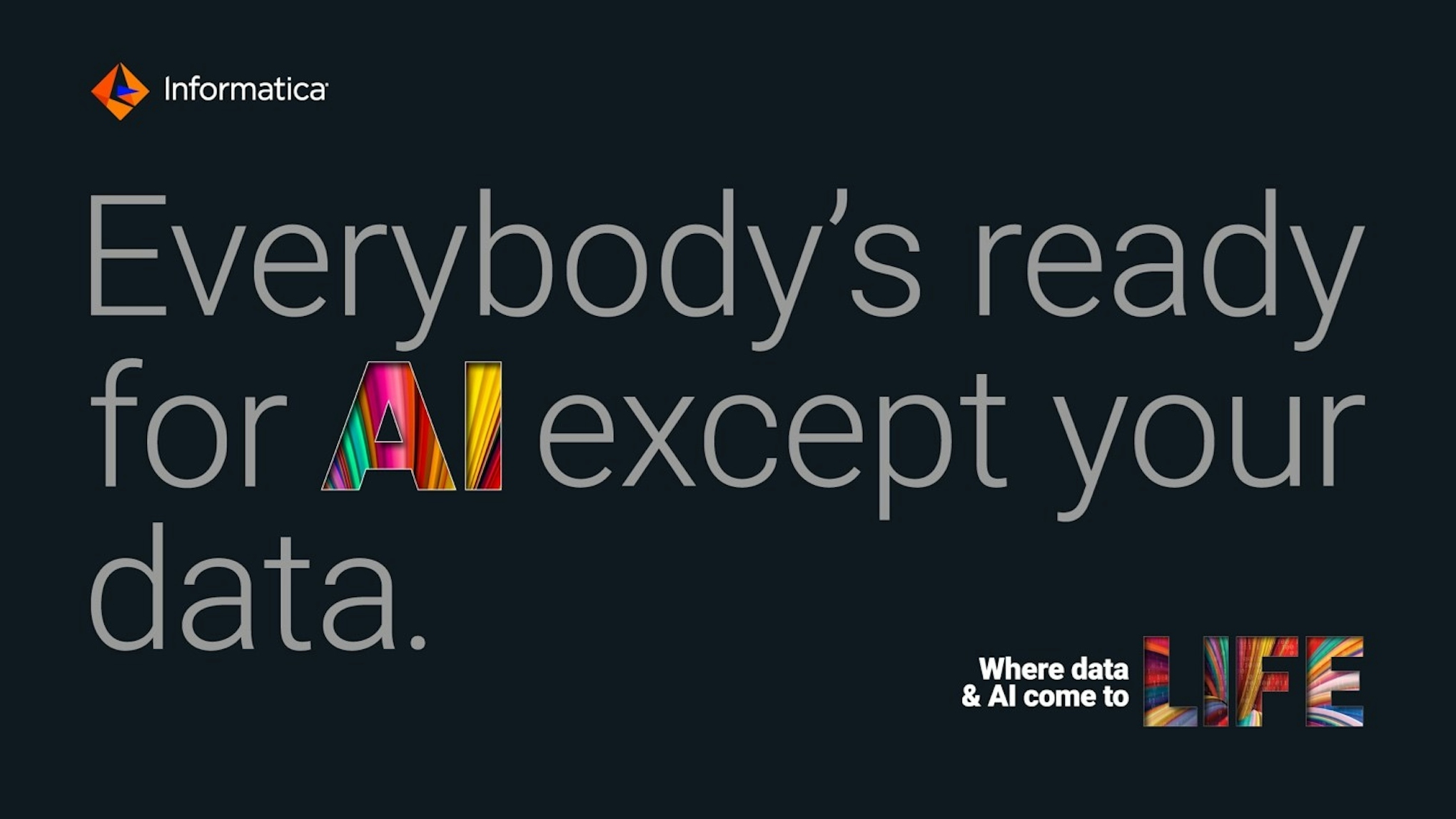
We help companies to unlock the value of data. We have a saying at Informatica: ‘Everybody’s ready for AI except your data.’ Businesses need high-quality, governed data to create a solid foundation for AI.
Everybody needs to make sure they have high-quality, holistic data, because you don’t want to show up in a meeting where you have marketing, sales, finance, and the product teams, and they’ve all brought different sets of data, only to spend time arguing about which one is right. That’s a waste of time and resources.
Informatica gives you one central source of truth for your enterprise – and then gives everybody access to that one source of truth for making key business decisions and simultaneously helps you to comply with various regulations like GDPR.
For example: from a marketing perspective, we leverage our own technology, and it helps us to do better segmentation, better targeting, and just be a lot more efficient in terms of how we approach the market with improved sets of data that fuel our growth.
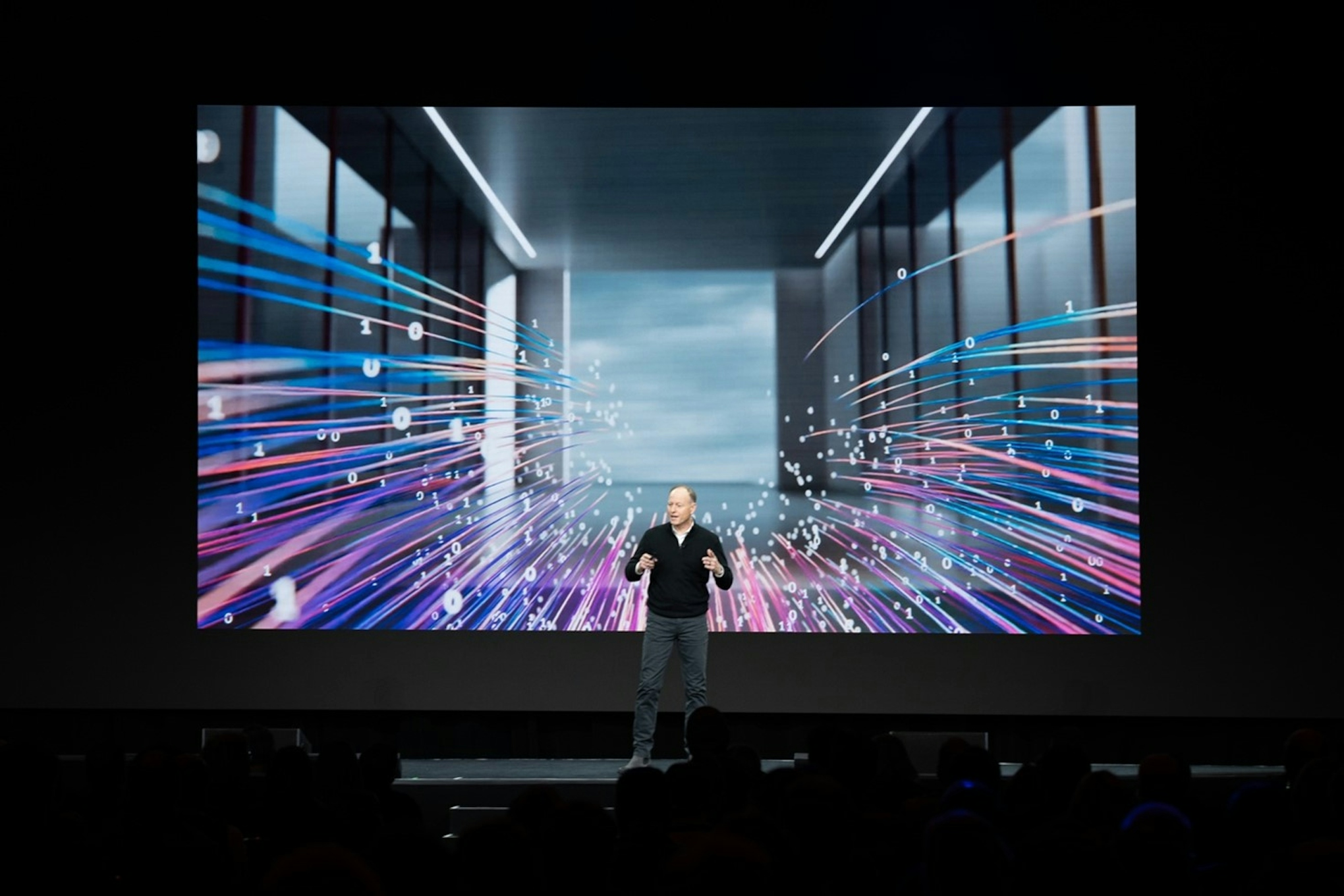
Informatica’s cloud subscription annualized recurring revenue increased to $901m, representing a 28.2% year-over-year growth. With all of that in mind, what can we look forward to seeing in 2026?
Continuing to support our customers and helping them to get their data ready for AI integration. We’re in the process of being acquired by Salesforce, which will be game-changing for us.
In 2025, we announced a whole set of agentic AI initiatives to help our customers to be more efficient, to drive more automation in their data management, and help them to manage what’s eventually going to be thousands of AI agents throughout their organization.
We believe that 2026 will be the year of agentic AI and we’ll be helping our customers scale to drive more efficiency, productivity and growth.
How is your marketing team structured?
A part of my organization focuses on demand generation. These are our field marketers and campaign teams. We also have a solution and product marketing team that focuses on the core messaging and works closely with our product and sales teams. We have a brand and creative team, alongside communications and web teams.
They are all supported by a marketing operations team. I believe strongly in the power of collaboration and integration between all these departments to work together on a global level, driving integrated go-to-market motions to achieve our growth goals.
Drawing on your leadership expertise, what has your career taught you that helps to make a great team?
Building trust across all the marketing functions, sales and product teams is crucial – all the way from the leadership down into the individual contributors – and part of that trust is accountability. If everything is consistent: consistent messaging, consistent look and feel, and there’s coordination across the entire team, then marketing becomes a collection of different disciplines that you bring together to make your business more powerful.
You also need to have a vision and purpose. What is the higher-level purpose of the company? What’s the vision of the marketing team? What are we trying to accomplish? What are the top focus areas that are important to the company? Once defined, marketing can then support and help to drive them forward. I’m a big believer in focusing on a few key initiatives v being a mile wide and an inch deep.
The other one, especially as there is more remote working than before – and we are a truly global organization – is just driving connectedness across the entire team, so that everyone feels part of the team and is aware of what’s going on and knows they are then empowered to make decisions.

Do you have any advice on avoiding ‘silo mentality’?
We have a content council. On all the content that we create, we have cross-functional participation. Everyone gets visibility of that content, and we focus on how it will be activated across the organization, on the website, on social media, in campaigns, etc.
When something comes off the “content assembly line,” all the functions are aware that it’s coming. It’s on their roadmap and activated immediately because there’s a cross-functional focus and purpose. We do the same prioritization and cross-functional collaboration within our Operations and Web initiatives.
From a tech stack perspective, we have a cross-functional team that meets weekly, so we get visibility into everything that’s coming out. From a roadmap perspective, people get to cast their vote on what they think is most important, helping to give us alignment to our key corporate goals.
Finally, every quarter on my ‘all-hands calls’, I have a ‘one team award’. We reward people for driving collaboration and success across the organization. Also, every Friday, I send out a communication to the entire organization. I call it ‘The Friday Forward.’ It highlights successes across the team. And I always highlight collaboration as a constant reminder that we must work together to achieve the best results.
Could you tell us about a customer research discovery that you’ve made that you found surprising?
When I first joined Informatica, we did some measurements around our brand and unaided awareness rates. Informatica had been around for almost 30 years and had a lot of success, but the unaided awareness results were extremely low. I was surprised and shocked by that. We had too many messages in market and our look was dated.
Over the three years that I’ve been with Informatica, we’ve improved this stat: from 5%-ish when I joined to 18% today. It’s a culmination of strong messages, consistency and what we call ‘brand gen’ all coming together and building off each other. I have overseen initiatives that included creating a new look and feel for the company, which I think is a lot more eye-catching and attractive, including our new moniker: ‘Where data and AI come to life.’ Also, this is thanks to our recent brand campaigns that elevate data management from the IT/CIO level to a crucial concern of the C-suite. No matter what business you are in today, data is the foundation of your business and future success.
What myth about marketing would you most like to bust?
The biggest one is that often people want to measure each element of marketing separately… the ROI on each specific initiative. Some don’t understand that marketing is a system. All the parts work together to drive demand, build relevance and ultimately grow the business.
There are going to be some things that bring higher ROI than others, but it is important to understand that the higher ROI of a specific element is improved by the other things that you’re doing in parallel that may be harder to measure. And if you looked at each of those individually – and evaluated them on a financial basis – you might not do them. As a marketer, that can be frustrating: people want to dissect your marketing activities and look at everything individually, but that’s not how marketing works. It’s a living system and all parts need to be functioning well to fuel the top-level results like revenue growth, brand awareness, and 360-degree customer lifecycle management.
What advice would you give your younger self if you could go back in time?
Get additional, broader experience throughout your career, but particularly earlier on. I think I got pigeon -holed as a specialist in a specific area at times. To become a successful CMO, you need a broader set of experiences today, across different elements of marketing, and that’s not always easy to find. Having had more variety earlier in my career would have helped me accelerate a little bit faster.
I believe that to be a CMO, you also must have strong business acumen. You must have the broad perspective of analytics, technology, customer experience, and the whole product marketing and creative sides of things. You also must be a strong collaborator across the company. A lot of people excel in one of those, but few know all of them. I eventually got there, but it took me a bit longer.
What question would you like me to ask the next senior marketer that I will interview?
How are they leveraging AI? There are so many interesting use cases and new companies popping up with different technologies. Some businesses are more nimble at adopting new technology and advanc ing faster than others. I’d love to continue to have a perspective o n what they’re doing: what they’re finding to be successful; what vendors they are using and how it’s working for them. I am always interested in continuous learning and sharing experiences with other CMOs in tech.
My question for you from the last senior marketer I spoke to: when was the last time that you spoke to one of your customers?
Earlier today, before this interview, we had close to 400 customers here in London for our annual UK Informatica World Tour event. And I’m in front of customers as often as I possibly can. It’s critically important because if you’re not tuned into your customers, understanding their needs and bouncing ideas off them, then you’re just not going to be successful. You’re doing marketing in a silo of your own making.
If there’s one thing you know about marketing, it is…
I’m a big believer in knowing your audience: it is a critical foundational element to any marketing that you’re doing. If you don’t understand your audience, you can’t do messaging; you can’t position; you can’t build campaigns. It is so foundational that without it, you might be doing your marketing all wrong.
You must understand your audience: their challenges, what they are struggling with and the use cases that they’re looking to solve. That information allows you to create relevant content, drive demand and attract users to the solutions that you provide.
You might die tomorrow so make it worth your while. Worth Your While is an independent creative agency helping brands do spectacular stuff people like to talk about. wyw.agency.
This interview has already appeared in The Drum. Discover the best campaigns, industry insights and interviews from world-leading marketers, creatives and more.