The Sony Music insight director tells Tim Healey what Gen Z’s return to vinyl reveals about modern audiences, why digital ease is driving a desire for deeper engagement and why the best insight starts with better questions.
From A&R scout to director of insight at Sony Music – how did that journey unfold?
The third year of my business degree was a placement in industry, and I ended up at Sony Music in their HR team, supporting learning and development across the business. Being within HR at a record company gave me a unique perspective on the various functions that make up a record company and the advantage of meeting people across nearly every team.
Back at university, I focused my dissertation around exploring some of the evolving dynamics that the Sony Music Insight team were seeing in music consumption. I also had a role as a regional A&R scout, plugged into Columbia Records, seeing as many artists as I could and feeding back to the A&R teams.
As I was graduating, there was a role supporting the Insight function rolling out research and planning approaches internationally.
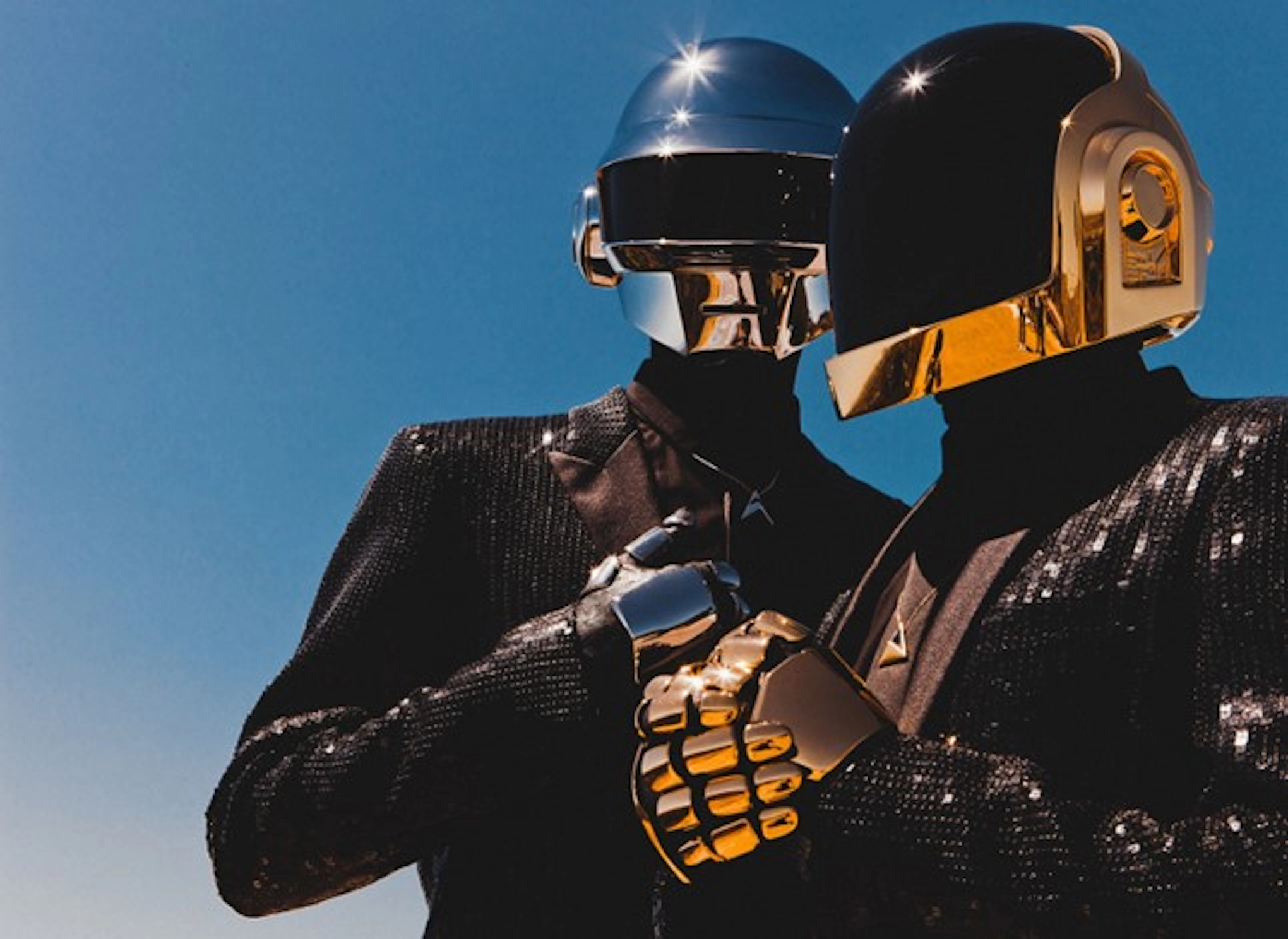
My first week I was plunged into a project on Daft Punk’s fourth and final album, Random Access Memories. From there, it was straight into supporting the international work setting up One Direction’s Midnight Memories, which became the best-selling album of 2013 globally in just a few months. It was incredible to be learning the craft of insight and planning in real-time on such global phenomena and I was immediately hooked.
My work became a blend of international research on artists signed to the UK company and sharing the planning tools and approaches we were developing with other markets. I travelled extensively, meeting music fans and label teams across the world, helping them appreciate the creative value of insight and putting the audience at the heart of their planning process.
In 2018, 4th Floor Creative launched as a creative and strategic hub within Sony Music UK. My role evolved to focus more on partnering with the UK labels on locally signed artists and linking more deeply with creative leads and specialists in areas like new tech and brand partnerships.
I still collaborate internationally too but sadly for my air miles and thankfully for my sanity, there’s a lot less time on planes these days.

What goes on inside Sony Music Entertainment?
I specifically work in the recorded music side of the company. Our labels exist to enable artists to enact the vision they’ve got in their heads or in their hearts and to take that to audiences and fans in the most creative and effective ways possible.
Our teams across the business look to support whatever our artist is looking to bring to the world. We have A&R teams that can help them realize their musical vision. If they’re highly visual artists, we’ve got teams that can really help them sculpt an aesthetic world around their music. If they are curious and interested in emerging technologies, we have teams that can provide the routes to bring that innovation into their artistry and marketing.
Within my team and across the wider company, we help to make sure that artists are connecting with current and potential fans in the most relevant spaces and in the deepest and most engaging ways.
What’s your focus for the next 12 months?
In the UK, streaming has become the dominant consumption model for music. It feels like there remains an untapped opportunity to not only focus on breadth of reach and the ease of consumption, but to deepen fandom and provide fans with a backstage pass to the artists and music they care about.
Digital consumption is amazing in terms of its ability to connect fans with artists in just a few clicks. However, I think there are some great activations that we’re exploring to bring a little bit more significance to some of those interactions with our artists. In an ecosystem that’s mainly prioritized speed and convenience, we are seeing resonance and value in what we’ve been calling ‘positive friction’ and interventions that can imbue artist connections with more meaning.
Having been involved in the music industry myself, and having been a music fan for decades before the onset of digital music consumption, I remember the experience of discovering a band, going to a record store, buying their record and then trying to find out if there are any gigs that I could go and see. These days, we bypass all of that: you can ‘Shazam’ a piece of music, stream it, and then watch the band on YouTube. It’s almost entirely passive now…
Music today is often consumed in much the same way, whether you’re the most ardent fan or a casual listener. Discovery paths and levels of engagement may vary, but the actual listening experience is generally drawn from a relatively limited set of options.
That limitation creates a real opportunity for our artists and labels. We want to open up new ways for people to encounter and engage with artists, not just in how they listen, but in every touchpoint where we may be able to enrich the fan experience.
We are always looking to use insight to uncover what matters to audiences and to turn that understanding into deeper, more meaningful connections with the artists they love.
Tell us about a customer research discovery that you’ve made that you found surprising?
Perhaps not revelatory to those in music, but something that may be of interest to the wider marketing community is the extent to which we’ve seen Gen Z engaging with vinyl, a format that was at near extinction when that cohort were born. Within that generation, the format has grown by 150% in the last four years and around 15% now purchase vinyl on a roughly monthly cadence.
We’ve done a lot of work around the motivations for that revival, and I think there are wider lessons for brands in providing tangibility in an increasingly digital world and slowness in a fast-scroll culture, as well as in the codes and feelings of loyalty and self-identity that come with having something to collect and cherish.
How does Sony Music do its marketing?
Insight is a central team that works across all the labels with Sony Music, including iconic labels like RCA and Columbia, and our catalog division, Commercial Group. Most of the labels have their own marketing teams and each have their own culture, their own outlook on the world and their own dynamics. As different as they can be, I’d say what unites them is the way they use insight and their team’s distinctive creative application of that to propel an artist’s vision.
We all get inspired by understanding and articulating what makes an artist and their vision powerful and finding the smartest, most culturally relevant ways to make people feel it.
What has your career taught you that helps to make a great team?
I think there’s real value in learning through osmosis: being close enough to absorb how others think and unravel problems. There’s a lot of growth that happens just by being exposed to how a project evolves, where impact is being made, and how it ultimately affects the business.
We often bring together teams that may appear quite disparate, but there’s huge potential in the way they pull projects forward together. Structuring teams so that there is space to learn from others and grow beyond the limits of your own discipline is where I’ve seen some of the most original and impactful work, as well as some of the most fulfilled teams.
Diversity of thought and experience is really important too. We’re a modestly sized Insight team, but we bring together a mix of skills – everything from cultural research, writing, and journalism to behavioral science and quantitative analysis. That blend means we can learn from each other and look at challenges from different angles rather than starting from the same place or set methodology every time.
More openness, more breaking down of silos, more heterogeneity, and learning by osmosis: those are the principles I feel are important.
How do you stay afloat in the tsunami of marketing technology?
In the work I do, I’m always looking for tools that are centered around empathy, not just for the people that we’re looking to reach, but also for internal users of those tools as well.
My ‘North Star’ is asking: how useful and practical is this going to be in someone’s day-to-day, and how is it going to better serve our audiences? There’s often a lot of jargon and overpromise intermingled between steps A and B, but I think if we can keep our eyes on those two things, it anchors us back to the value that we’re looking to try and deliver.

What myth about marketing would you most like to bust?
A myth in relation to marketing and audience insight that I’d like to bust is that we’re here to answer questions or provide information. I actually feel that we are at our most valuable when we ask or reframe insight as propulsive questions that have no single right answer.
At its best, I also believe marketing is permission to decorate the world with questions. Far from telling people what to do, I love it when we provoke thinking, reflection, dialogue, change and new perspectives. I feel like some of the most compelling marketing does those things while working in service of the artist or brand too.
What advice would you give your younger self, if you could go back in time?
To be less afraid of getting up in front of people, presenting and sharing perspectives. One of the most valuable things we’ve implemented across the wider department is that, every couple of weeks, we come together across various disciplines to get up on stage and share a project or piece of work.
That might be an insight debrief that we’ve shared, or some positioning for one of our artists that we’ve collaborated with the labels on. It could be one of our creative teams talking through their entire design process for an album’s cover art, or the video team sharing the behind-the-scenes on a recent shoot.
Early in my career I could find it quite daunting, even among peers, getting up and doing presentations. The value in building confidence in yourself and also confidence in your work that comes from sharing in those forums is immeasurable though.
I also like the John Le Carré line about a desk being a dangerous place from which to view the world. Clearly, that’s got resonance in an insight role, but I would also want to tell my younger self that the best breakthroughs of your career will rarely come while sitting at a desk.
What question would you like me to ask the next senior marketer that I interview?
I would like them to say what they really think about their research team.
Your question from a senior marketer is this: do you think advertising as an industry has lost its way?
If the most active conversations about advertising are happening on LinkedIn, then I think we have to ask ourselves some tough questions about relevance.
In increasingly fast-paced, complex and pressure-filled environments, we need to ensure that creativity leads the way, and by taking efficiency gains from AI we don’t concede our originality.
I’m not convinced what would come with that is cool. It’s certainly not stylish, it’s certainly not energizing. It’s shown itself so far to be more sycophantic than charming. It’s certainly not funny, and it has no fragile or aching beauty, no backbone, no swagger and no discernible taste. And that, to me, leaves the goal wide open for humanity in advertising and creative fields as we can have all those things in abundance.
Across advertising and all creative industries, we need to fight to create space for thinking and problem-solving, sitting with ourselves and our emotions, working on novel things and being truly imaginative again.

If there’s one thing you know about marketing, it is…
What worked yesterday may not work tomorrow, and almost certainly won’t work in a year’s time, but that’s all part of the fun. Too often we see something that’s connecting with audiences and think we’ll find a reliable or maybe just a comfortable way forward in past metrics.
Clearly that’s not entirely misguided but I wish we’d spend as much time using more lateral insight as a springboard to take the kind of strategic and creative leaps that relying on data from the past rarely affords us.
You might die tomorrow so make it worth your while. Worth Your While is an independent creative agency helping brands do spectacular stuff people like to talk about. wyw.agency.
This interview has already appeared in The Drum. Discover the best campaigns, industry insights and interviews from world-leading marketers, creatives and more.