It’s been a strange few years for those of us who believe in the power of inclusion. Diversity, equity, and inclusion, once the shorthand for progress, has quietly become a lightning rod. Budgets have been cut. Leaders have gone quiet. Hard-won ground is being lost under the polite banner of “reprioritisation.” The same battles that felt settled now need to be refought and rejustified, often to the same people who once championed them.
But the thing about belonging is that it doesn’t vanish when the headlines move on. It remains the foundation on which great teams, ideas, and businesses are built. And that’s the part we seem to have forgotten.
We’ve spent years framing inclusion as a moral imperative, the “right thing to do.” Which it is, of course. But for leaders in business and marketing, that line alone no longer cuts through. The reality is simpler, and maybe more persuasive: belonging isn’t just ethical. It’s efficient. It’s not just kind. It’s commercially critical.
When people feel they belong, they perform better. They stay longer. They think more creatively. They take risks that lead to new ideas, new audiences, and new markets. It’s what happens when someone stops self-editing, when they stop scanning a room to see if they fit, and instead pour all that mental energy into doing great work. Belonging is the unspoken precondition for excellence, yet it’s still treated as an optional extra.
Marketers, perhaps more than anyone, understand that emotion drives behaviour. We spend our days decoding what makes consumers feel something, yet too often our own people don’t. The business case for belonging isn’t hidden in a report. It’s sitting quietly in your own team meetings, in the ideas that never get voiced because someone doesn’t feel it’s their place to speak.
And exclusion has a cost. People who don’t feel seen or valued leave. Replacing them costs time, money, and momentum. But what’s harder to measure, and far more damaging, is the creative potential that never makes it out of someone’s head. When people don’t feel safe, they stay silent. And silence, in a creative business, is the real killer.
The irony is that most organisations think they’ve cracked this. They have the statements, the training, and the employee networks. But belonging can’t be built by policy; it has to be felt. It’s in the everyday interactions: who gets listened to, who gets credited, who gets promoted. It’s whether people feel safe saying “I don’t agree” without worrying they’ve just shortened their career.
When the pressure is on, when budgets shrink or briefs get tougher, that’s when belonging really shows its worth. Because that’s when loyalty, creativity, and trust matter most. Teams that feel connected don’t just weather challenges… they innovate through them.
And for brands, it’s more than an internal perk. Consumers today are sharper than ever. They can smell inconsistency from a headline away. A company that fails to live its values internally can’t fake them externally. Belonging becomes the ultimate authenticity test, the difference between saying the right thing and being believed.
So yes, belonging is the right thing to do. But it’s also the smart thing – it drives creativity, retention, loyalty, and performance. And in a world where progress is suddenly back up for debate, belonging might just be the quiet act of resistance that keeps us moving forward.
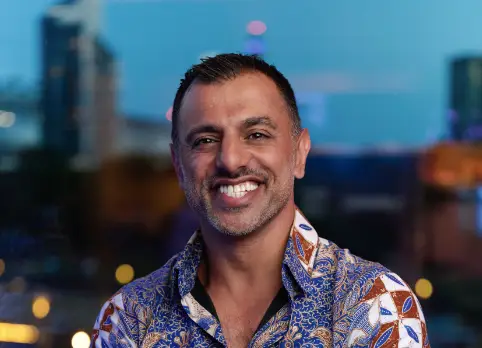
Darain Faraz is Co-Founder of People Like Us, a not-for-profit championing workplace equity and inclusive hiring across the creative, media, and communications industries. Through its recruitment, research, and events, PLU helps organisations build truly representative teams where everyone feels they belong. www.plu.org.uk