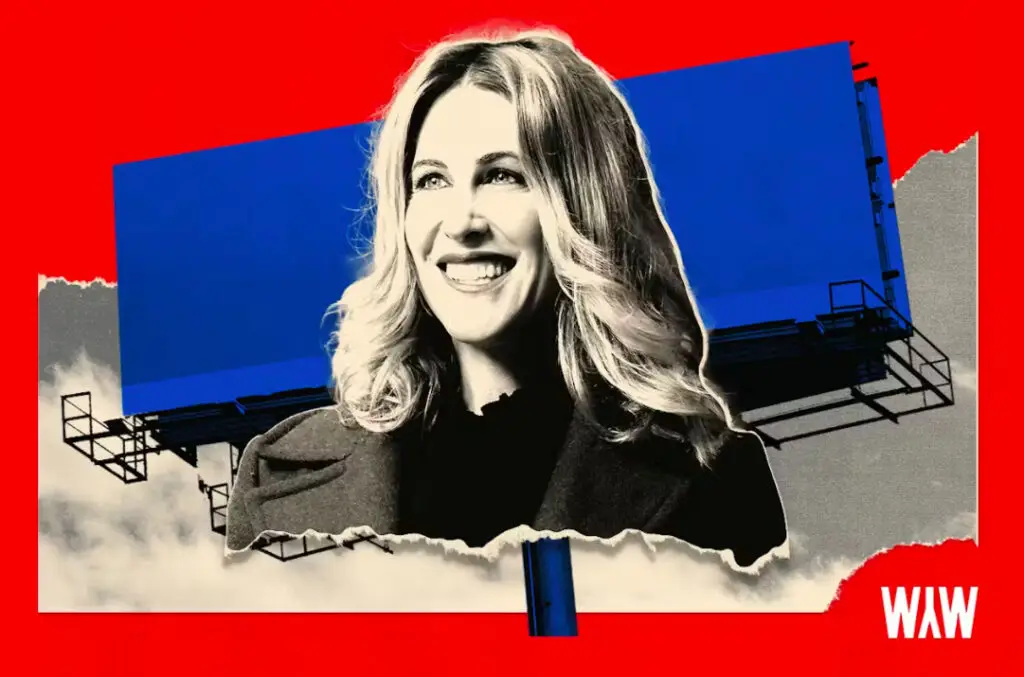
The airline’s SVP global brand and marketing tells Tim Healey how brand purpose guides instinct, why experience defines the brand beyond campaigns and how focusing on fewer, bigger ideas drives impact.
You have worked at Estée Lauder, Nylex Gardena, Mattel, Britvic, Pernod Ricard, and Virgin Atlantic for seven years, where you are now the Senior Vice President of Global Brand & Marketing. Could you please walk us through your career to date?
My first job in marketing was in hardware – garden products – which might sound a world away from where I am today, but it was a fantastic grounding. It taught me how businesses work, how to collaborate with sales, operations and finance to make things happen. At Mattel, I saw a masterclass in category and brand management, understanding different audiences and the power of innovation in creating demand. There’s something magical about seeing a brand like Barbie or Hot Wheels evolve with culture and generations.
I moved with Mattel to the UK and then into FMCG with Britvic looking after the Pepsi portfolio and that was where I really honed the discipline of strategic brand building, communications, pricing and commercial delivery. And working on Pepsi was my first real taste of what it meant to be a challenger brand, going head-to-head with the almighty Coca-Cola.
From there, I moved into luxury with Pernod Ricard, which taught me how to create desire, how to understand the intangible value of a single product, the craft and heritage of products with centuries of history, and what it takes to sustain a price premium through storytelling and cultural relevance. Luxury marketing is an art form, it’s about aspiration, emotion and meaning. So to Virgin Atlantic, an iconic brand that combines it all. It’s an experience brand, where everything from the aircraft design to the onboard service and the Clubhouse cocktail menu expresses who we are. Looking back, I’ve always been drawn to brands that don’t just sell products but also act with purpose. I love working in businesses that are ambitious, innovative and forward-looking.
What is the offer at Virgin Atlantic?
We are an aspirational, premium travel brand, famed for customer service. If I had to distill the brand into one word, it would be progressive. For more than 40 years, Virgin Atlantic has challenged convention, continuously pushing the boundaries – from inclusive representation in advertising to customer experience innovation. We believe in business as a force for good, and that travel can be both joyful and purposeful.
What’s coming up for Virgin Atlantic 2026?
What excites me most is the sheer scale of possibility. We’re seeing new growth opportunities everywhere. Whether that is in wellness, business travel, or in holidays.
There is always dynamism in travel, but also the world around us is rapidly changing, accelerated by shifts in technology, culture and consumer expectation. What remains constant is the Virgin mindset: a sense of optimism, curiosity and creativity in how we face those shifts.
In our latest campaign, we take people on a journey celebrating the open-heartedness that unites travelers. Anchored in Maya Angelou’s “Be a Rainbow in the Clouds,” it captures a spirit that feels right for our time: hopeful, generous, and outward-looking. The results have been great: stronger brand affinity and, crucially, commercial performance. But as ever, we’re not standing still. 2026 will bring new expressions of our spirit.
We have plenty of customer experience innovation coming through. You might have seen our recent announcements – we will be the first UK airline to introduce free, streaming-quality, unlimited Wi-Fi throughout the fleet, using Starlink technology. And we will be the first European airline to partner with OpenAI, integrating real-time voice and emotionally intelligent AI concierge services.

How is your marketing team structured?
We’ve built a Marketing Centre of Excellence that brings everything together in one team: from insight, propositions, brand strategy, design and creative, all the way to social and digital media. It’s one team, united by our brand, customers and a shared ambition for growth.
Our role is to deeply understand people – what they want, how they feel, what motivates them – and turn that into action that delivers results. When you connect insight to imagination and then to execution, that’s when marketing moves the needle – a growth engine.
Drawing on your leadership expertise, what has your career taught you that helps you to make a great team?
Great teams thrive when there’s clarity, trust and purpose. I’ve worked for some extraordinary leaders – and a few who taught me what not to do – and there are some common threads among the great ones. Someone who sets a clear vision, aligns people behind it, and then gets out of the way so their teams can shine.
You need to create space for collaboration and where diverse voices are not only heard but actively sought. When everyone understands how their contribution ladders up to something bigger, that’s when you unlock the power of great teams.
How do you manage to surf the tidal wave of marketing technology?
It starts with being clear about what problems you’re trying to solve. If you start with clarity, then tech becomes your best friend, helping you go faster, smarter or reimagine what’s possible.
The pace of change now is extraordinary, and that requires a mindset of learning, experimentation and curiosity. Leaning into what we can learn from others and being open to what we can do differently. It’s about being open, but intentional – using technology in service of what you are trying to do
What myth about marketing would you most like to bust?
There are many but I will pick just one. That marketing is just about creativity and not commercial impact. That could not be further from the truth. The best marketing delivers commercial outcomes – real business value.
When you prove that marketing drives measurable growth, you can elevate its influence. Creativity is what makes people feel something. Commercial impact is what makes the business invest in it again. The two cannot be separated.

Could you describe a moment when your instincts and the data pointed in different directions? How did you decide where to go and what was your takeaway?
Data tells you what is. Instinct helps you see what could be. During the development of ‘See The World Differently’, some of the early research suggested we were pushing too far – that certain scenes might be polarizing. But those moments were the heartbeat of the campaign – they reflected our belief in self-expression and belonging.
My belief is when your instinct aligns with your purpose, that’s the compass to follow.
Can you think of a significant activity you have deliberately stopped? What capacity did it release? What have the results taught you?
Yes, quite a few. A few years ago, we realized we were drowning in a sea of small, tactical trade marketing briefs. Each one was well-intentioned, but collectively they diluted focus. So we stopped.
We stepped back and asked: what would make a meaningful difference? That led us to a single, bigger, strategically grounded brief – one that truly aligned sales and marketing. The lesson was simple: sometimes progress is about doing less but doing what really matters.
If you had one piece of advice for midweight marketers looking to become marketing leaders, what might that be?
Get a great mentor – someone who challenges your thinking and helps you see around corners. And be intentional about it. Think about your “brief” – what do you want help with? If I could go back in time, I’d have sought out mentors much earlier in my career. It’s one of the most powerful accelerators of both professional and personal growth.
Do you do any mentoring now?
Yes, absolutely. It’s something I’m deeply passionate about. I’ve benefited enormously from others’ generosity over the years, and if I can help someone navigate a decision, or find clarity in their next move, I would be delighted.

What question would you like me to ask the next senior marketer that I interview?
“If your brand disappeared tomorrow, what would people truly miss – beyond the product?”
Your question from the last senior marketer that I spoke to is this: How do you ensure that your marketing team is staying culturally relevant in an ever-changing market?
A great question – and one that’s always on my mind. It starts with keeping an “outside-in” lens. It’s easy to become inward-looking, measuring everything through your own performance or priorities. But relevance comes from connection – to culture, conversation and change.
As a team, we make a deliberate effort to stay plugged into what’s happening in the world – through listening to customers, with partners, agencies, and most importantly, through our people. Curiosity is one of the most powerful skills a marketer can have.
If there’s one thing you know about marketing, it is…?
That it’s absolutely fundamental to business success. You can’t grow without it. Marketing doesn’t just create demand it converts the demand again and again. It builds the desire, differentiation and momentum that keep businesses moving forward.
You might die tomorrow so make it worth your while. Worth Your While is an independent creative agency helping brands do spectacular stuff people like to talk about. wyw.agency.
This interview has already appeared in The Drum. Discover the best campaigns, industry insights and interviews from world-leading marketers, creatives and more.