Do me a favour: go on your LinkedIn feed and count the number of people who describe themselves as a “thought leader” or who pedal “disruptive innovation.” Count the “experts in transformational change.” And those living at the edge of tech and something else. Extra points for “Future” stuff.
We live, apparently, in an age of abundant expertise. Everyone’s got some. LinkedIn has become the stage for expertise: I, too am an expert…
And yet something funny is happening out in the real world. People aren’t turning to experts when they make decisions. They’re looking sideways — at each other. If you are familiar with my work with Professor Alex Bentley of the University of Kansas in Knoxville, you might call it copying peers rather than following authority. Everywhere you look, the social signal has quietly mugged the expert one. Word of mouth beats brand. The influencer beats the specialist. The patient group beats the GP. Consumer behaviour is getting frothier, more volatile, more nakedly social — because the herd is the only reliable guide left.
Michael Gove said in 2016 that people in this country have had enough of experts. Everyone quoted it as proof that something had gone badly wrong with people. The great unwashed, turning their backs on reason.
Wrong diagnosis.
Steven Lacey is a brilliant market researcher who does something most of his profession doesn’t bother with: he actually goes to the places everyone else has stopped going. Bolton. Feltham. Boston, Lincolnshire. Sits with people. Lives with them. Listens. And what he has found isn’t hostility to expertise. It is its absence.
“People just don’t come in contact with experts,” he says. “There’s no rooted connection. If you’re not regularly having contact with experts, who do you trust?”
We did this. We took the experience of expertise away with our decisions. The supermarkets made the fishmonger and the butcher — people who actually knew things, who’d tell you what was good today and what wasn’t — impossible business to sustain. Marketing replaced the knowledgeable customer service rep with a chatbot and called it efficiency. Business swapped the specialist for a self-service portal. Government cut the citizens advice bureau, the legal aid solicitor, the local GP who knew your name and your mother’s name. All in the name of those twin heroes of Optimisation and Efficiency.
Sure, the internet idealists behind the Cluetrain Manifesto promised us some lovely fluffy things, like the democratisation of knowledge and expertise. But what did we do with it?
Expertise didn’t fall from favour in the population. We took it away. Aisle by aisle, shop by shop, app by app, budget cut by budget cut.
Gove had it exactly backwards. People haven’t had enough of experts: experts have had enough of them.
Which makes the LinkedIn parade all the more thought-provoking. All those thought leaders and transformation experts and skill-endorsers aren’t boasting. They’re doing what humans have always done when the real thing is scarce: performing[1] it for each other. Copying the signals. Herding around a simulacrum of the thing that’s gone missing.
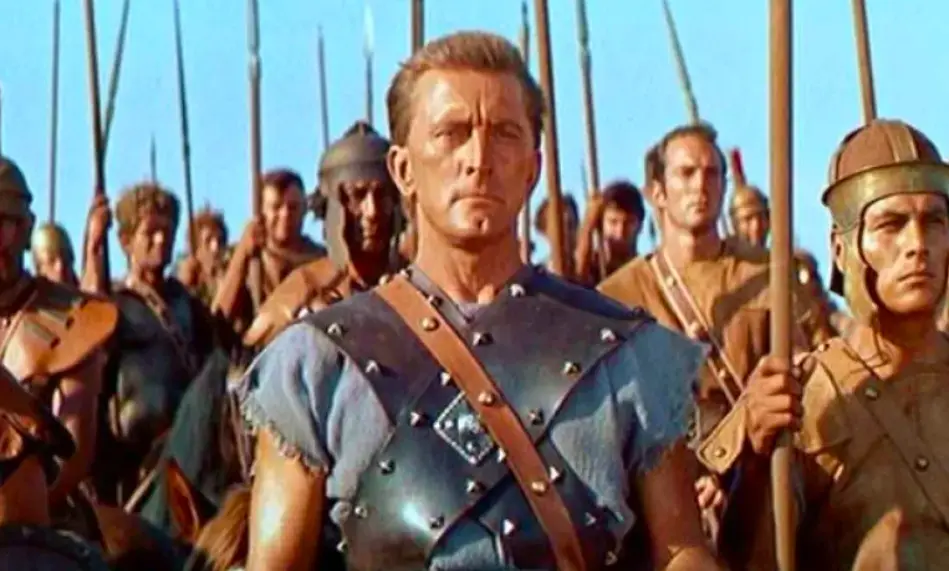
I’m Spartacus. I’m Spartacus. No, I’m Spartacus.
Nobody’s fooled – we all know the game. And all of us join in. Because that’s what you do when the actual expert left the building.
HERDspotting tips
Watch for how many of the “experts” in your feed learned what they know from other people’s feeds.
Listen for the performance of expertise: the language of the pseudoscientist, the gestures of the “practical” man.
Reflect n the last town centre you walked through. Count what’s gone. The bank. The solicitor. The butcher. The bookshop. The fishmonger. The ironmonger. The GP surgery. That’s not decline. That’s desecration.
References
Bentley Earls O’Brien (2011) I’ll Have What She’s Having MIT Press
Levine et al (1999) Cluetrain Manifesto https://www.cluetrain.com
Goffman E (1956) The Presentation of Self in Everyday Life, Doubleday