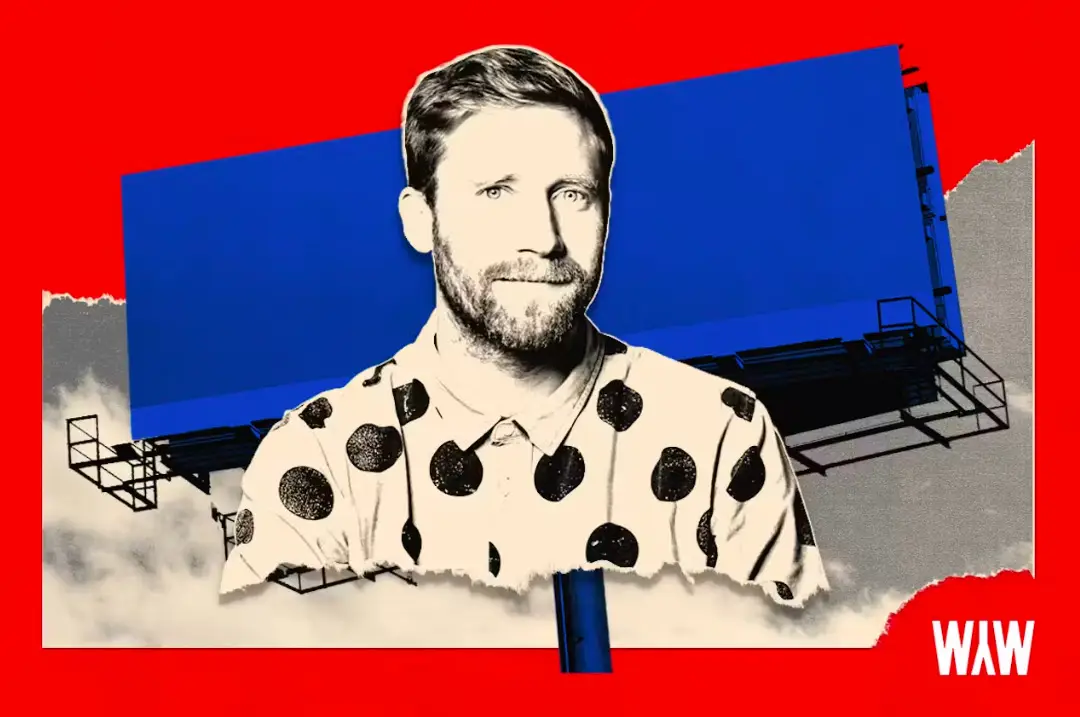
The entrepreneur behind the disruptive toilet paper brand tells Tim Healey how humor, delight and social impact turned a household commodity into a globally shared business.
You studied engineering and economics before founding Who Gives A Crap. How did that journey unfold?
I just love innovation and problem-solving. I love markets. Studying those subjects, you get told to work in an investment bank or at a consulting firm. I was pretty sure I didn’t want to be an investment banker, but I thought I should give it a shot. I did a summer internship and was good at it but… I hated it. It was just the antithesis of how I wanted to spend my time, but I learned how to build financial models, about transactions and some other very useful stuff.
After taking time to reflect, I realized that I really cared about the idea of social mobility. I’d spent a lot of time in Southeast Asia, and it seemed to me that if you were born on one side of an invisible border, you got a completely different set of life opportunities available to you than if you were born on the other side.
At university, I started to ask: how do I use the skills that I’ve learned around innovation, markets and problem-solving to solve challenges that exist in the social mobility space? I started to explore how we might sell products to people, but use the profit to do something good.
That made me feel much more comfortable about the idea of the transaction and sale. And it was no longer this kind of “icky, gross, ‘businessman is a dirty word’” concept. There were two businesses I launched before Who Gives A Crap. Both suffered from problems with scaling.
That got me thinking about products that everyone uses, regardless of where they live or what religion they are. One day, I walked into the laundry and saw a six-pack of toilet paper and I had one of those beautiful quarter-second epiphanies. I remember thinking, “Oh my goodness, we should sell toilet paper. Use the profits to build toilets and call it Who Gives A Crap.”
I called three friends on the spot, and they all said: “This is an incredible idea. I can’t believe no one’s done this before.” The third friend said: “I’ve just finished my graduate job as a management consultant, let me come and help you get started.” And that’s how Jehan [Ratnatunga] joined us as a co-founder.
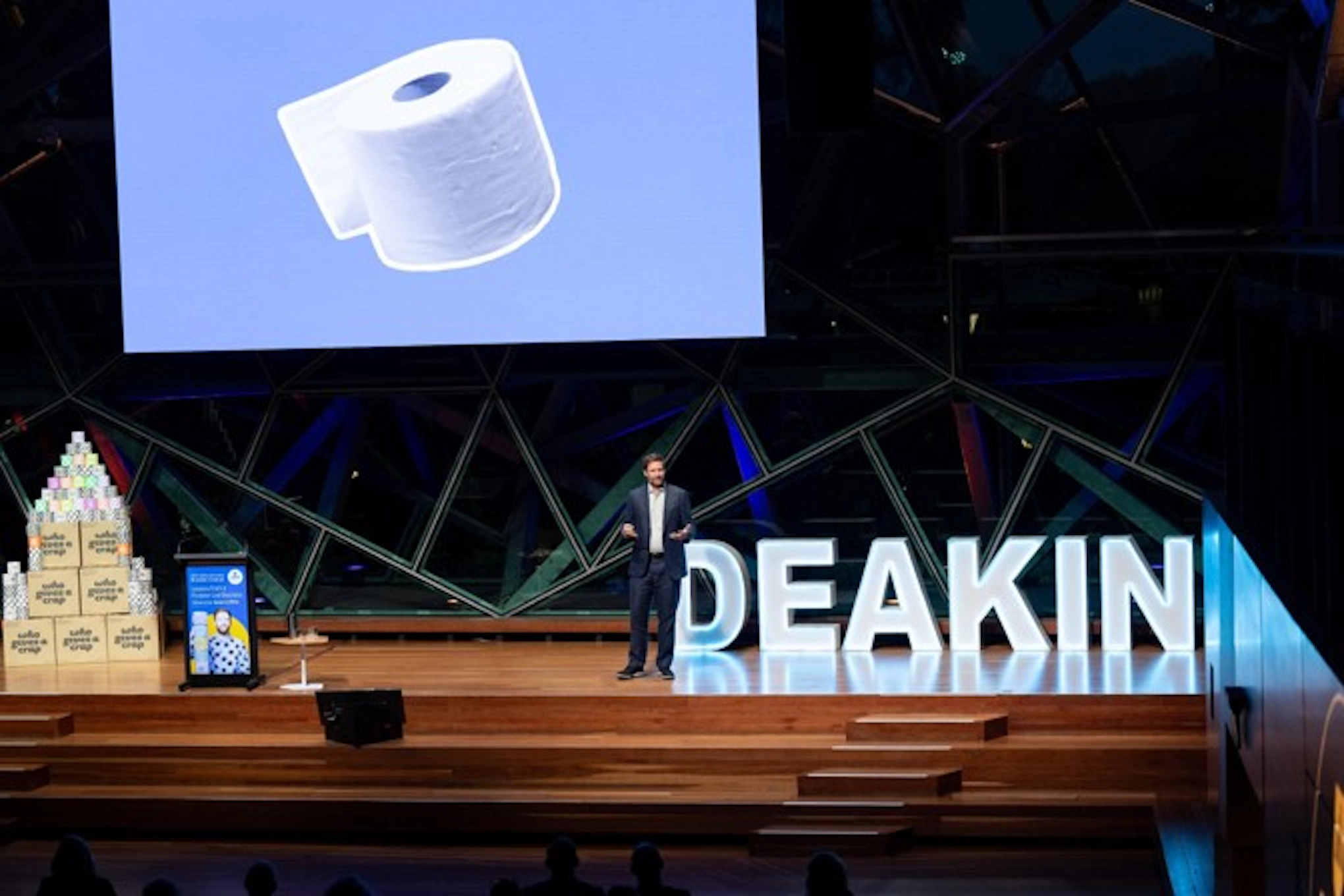
What is the offer at Who Gives A Crap?
We started as a direct-to-consumer toilet paper company that uses half of its profits to help build toilets in low-income countries around the world. We’re still a toilet-paper first company, but now have lots of other products: tissues, garbage bags, paper towels, and we sell right across all the range of channels that are available: whether that’s Amazon or in retail in the UK, with Ocado, Waitrose and Tesco, in Australia, with Woolworths, IGA and Aldi, or in the US, with Whole Foods.
We’re a true global omni-channel brand that’s been around now for about 13 years. In that time, we’ve donated close to £10m pounds.
The last few years have seen the rise and rise of WGAC – you are now stocked in UK supermarkets, and year-on-year profits are increasing. What can we expect in 2026-7?
We’re really focused on just doing incredibly well in the places where we are today. We are continuing to have a direct-to-consumer offering that’s an awesome customer experience, and we are striving to make that better and better. Our retail accounts with Waitrose, Ocado and Tesco are thriving, and we’re showing what’s possible in this category as a purpose-driven brand.
Advertisement
We’re across many channels in every market that we operate in. We want to continue building that out and being super-successful. This year is about doubling down right across the board as opposed to continual product or new market expansion, which is what we’ve been doing for the past few years. It’s exciting to not put too many new things on the table and just focus on what we’re doing now and getting better and better at it over time.
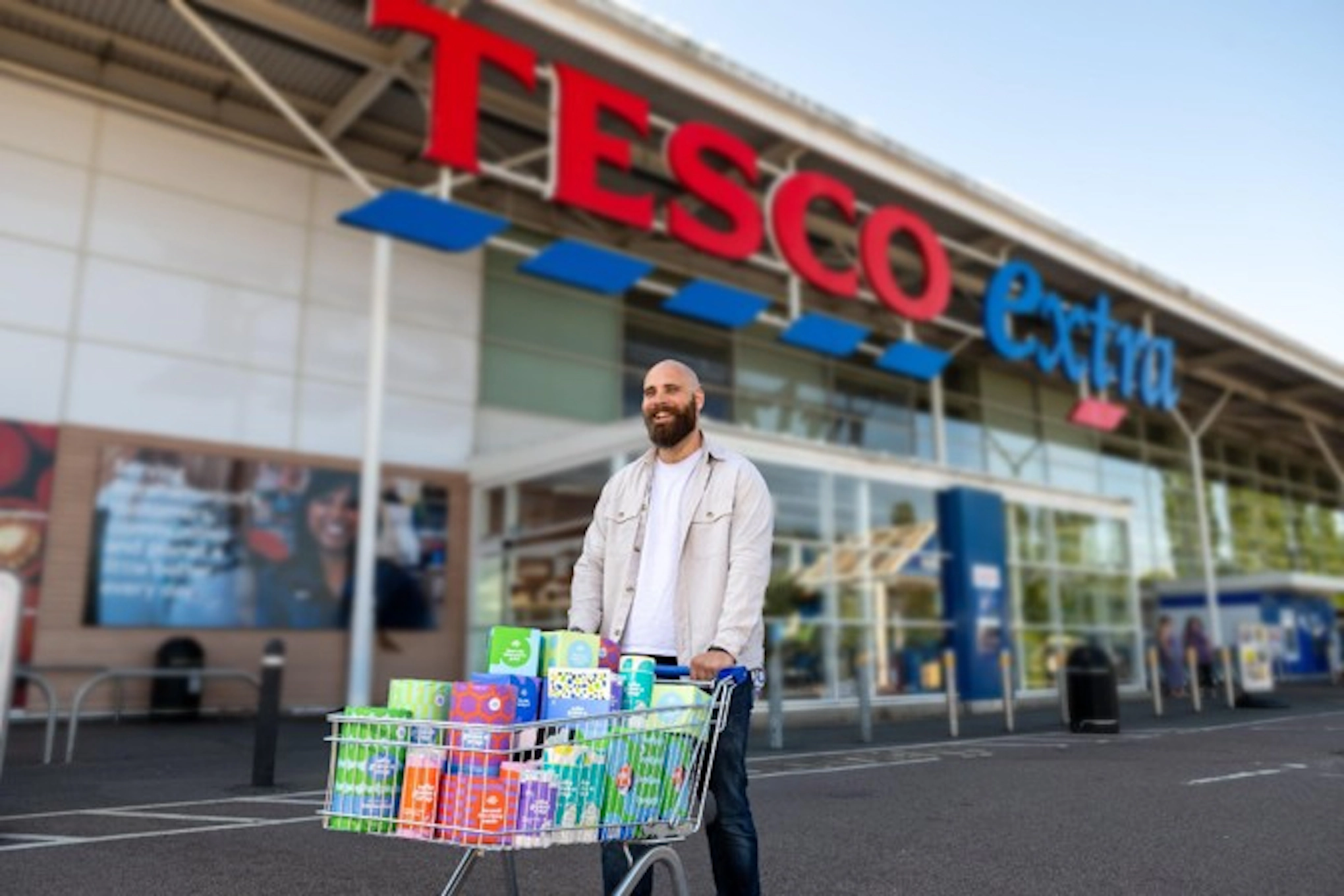
What did you learn early on about the exact balance between humor and purpose that makes people buy, share and come back for more: how do you make sure it doesn’t become a gimmick?
I think before we came along, a lot of cause-based marketing really tried to make consumers feel bad for not being a part of something. We did the opposite and tried to make people feel great for being a part of something. We saw that really worked in an amazing way.
Humor was a way to talk about this serious topic of sanitation. We knew that 2.4 billion people did not have access to adequate toilets at the time and this lack of sanitation was causing illness that was filling half the hospital beds in Sub-Saharan Africa. Sanitation was the most off track of all the UN development goals – and we felt part of this was because it’s hard to talk about.
It’s toilets. It’s not dinner party conversation. It’s a bit gross. We saw humor as a way to have a chat about something difficult. So making people feel great to be a part of something, and having a laugh at the same time, was our way of not just cutting through, but actually offering a differentiated approach to marketing. It allowed us to go into these messages that existing brands would never, ever touch.
Our competitors had done everything they possibly could to not talk about what the product was used for. They invested millions of dollars in marketing around puppies, bears and feathers and things that are completely unrelated to the product. We saw that by choosing our own path, and doing it well, we could actually lean into this message that no one else could go near. And that was what we thought was super exciting about the brand.
You literally bake cause into your business model: how has that changed the way you think about things like customer acquisition, retention and pricing, compared with a normal FMCG brand?
Most of our customers find us through word of mouth, not from Facebook ads, outdoor billboards or TV. When we’ve surveyed our customers, we know that half of them have gifted our product to someone else, which is kind of crazy when you think about gifting toilet paper! No other toilet paper brand is given as a gift!
Our purpose, the brand name and our product are this beautiful three-legged stool. You could take any one of those things away, and the stool would stand up. In other words, if we weren’t giving away our profits, I think we would still have a company, but I don’t think we’d be anywhere near the size that we’re at, and have anywhere near the incredible kind of customer loyalty that we’ve got. It’s a key part of how we have got to where we are today.
Something we’ve seen that’s really interesting is that in focus groups, when we talk about the environmental impact of the product, consumers will have some skepticism. They might challenge us and ask: but is bamboo really better? What about the environmental impact of freight? But when you tell them: we donate 50% of our profits, they go: ‘Oh, OK, I’m all in.’
The purpose piece appears to propel people over any resistance they may have, in a way where they truly believe that they’re doing things for the right reason – and that we’re not green-washing or purpose-washing. Donating 50% of all of our profits is massive. It literally changes the mentality that people have towards the brand.

I’m often really staggered at how small the percentage is when people say that they’re doing something environmental and – no names mentioned – there are some quite big players out there that are flying the environmental flag and yet on closer inspection they give… 1%
As we’ve grown, we’ve focused on being able to lift the size of our donations up. We should start seeing our donation number really grow in a pretty significant way over the next few years, and that’s also super-exciting from a marketing perspective. We can start to harness the power of that. It will help us to drive a better understanding of what the business can look like with increased word of mouth, brand loyalty and hopefully brand love for what we’re doing.
You’ve grown this incredible direct-to-consumer engine, but you’re also a physical product people buy out of habit. What might be non-obvious growth levers that have mattered the most?
We like to think about every single touchpoint as an opportunity for someone to find something that makes them happy, gives them pleasure or delivers that bit of delight – so much so that they want to be able to send that on to one of their friends.
We think about that through the entire life cycle of the product – and we did that from the moment we started, which was unusual then. I think it is much more common now. We would ask ourselves: when someone is thinking about buying toilet paper, what could we do in that moment to innovate and make that experience better? And we did that the whole way through the customer experience.
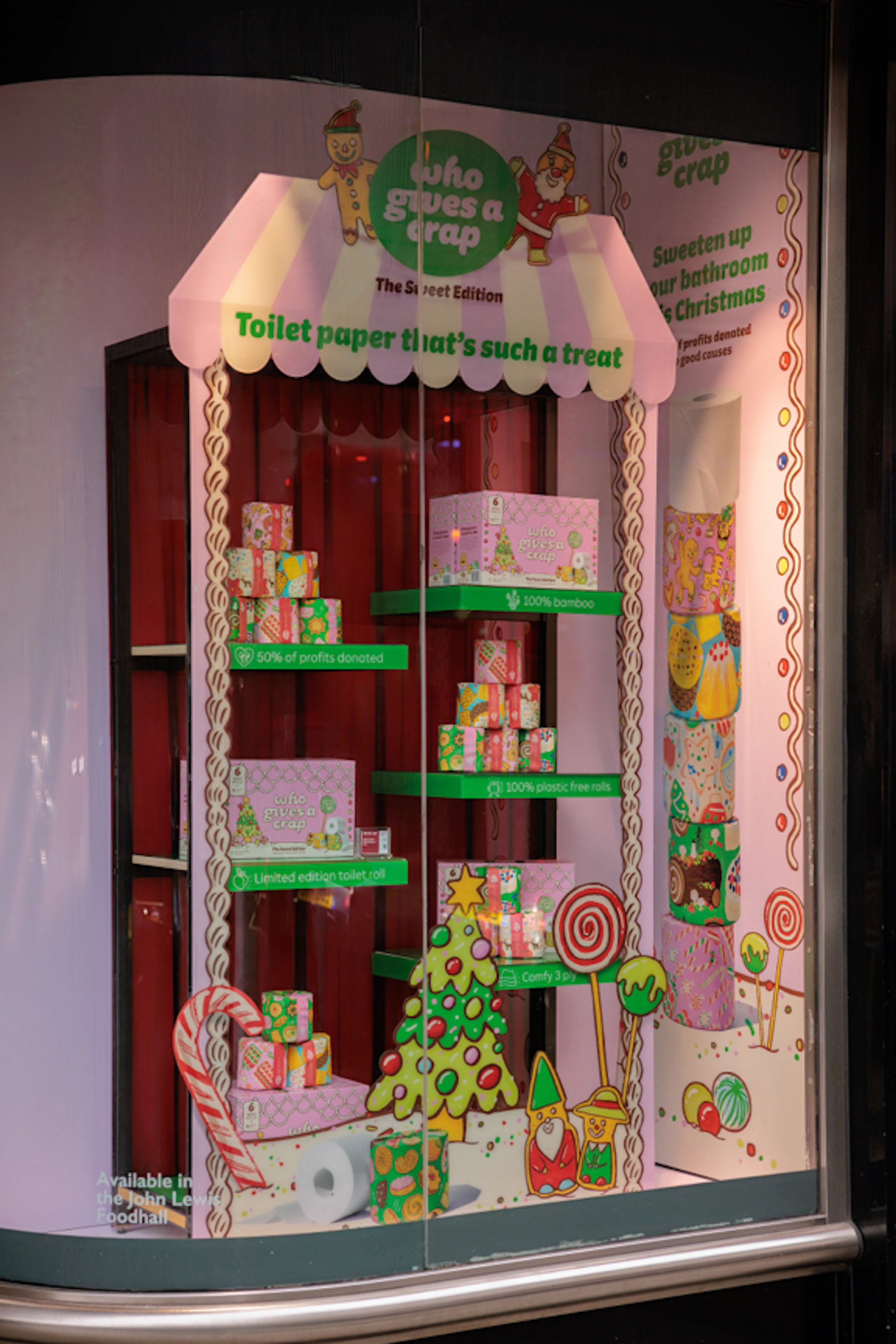
Some amazing things came out of this. For example, people stack toilet paper up when they store it. So we asked: what could we do to make that a little bit more fun and a little bit more enjoyable? We decided that we could design something so beautiful that people would want to take it out of the back of the cupboard and put it on display.
We probably had 100 different ideas along those lines – but that particular one, we had no idea how successful it’d be at that moment in time, but has been a huge part of building our brand. Obviously, wrapping a loo roll with paper raised a number of other environmental questions – it was, after all, extra paper.
To combat this, we reduced the width of our rolls by 5% to free up the extra paper, which we could then use to wrap the rolls. It’s an example of the sorts of depths that we go to when we design a product that we’re proud of and a customer experience that we think has been really well considered.
This approach goes beyond our product, too. If we’re putting a job post live, we give a lot of thought to how we could create a job post that someone might like so much they would want to share it with a friend or colleague. As we take our ads live, we’re asking ourselves: could we create an ad that people would want to share because they think that someone’s going to find that funny, or it reminds them of something that’s happened to them?
I guess we’re trying to make the world slightly more enjoyable. If we get that right, then it increases the velocity at which people will tell other people about the brand, and I think that’s been a big part of our success over the years.
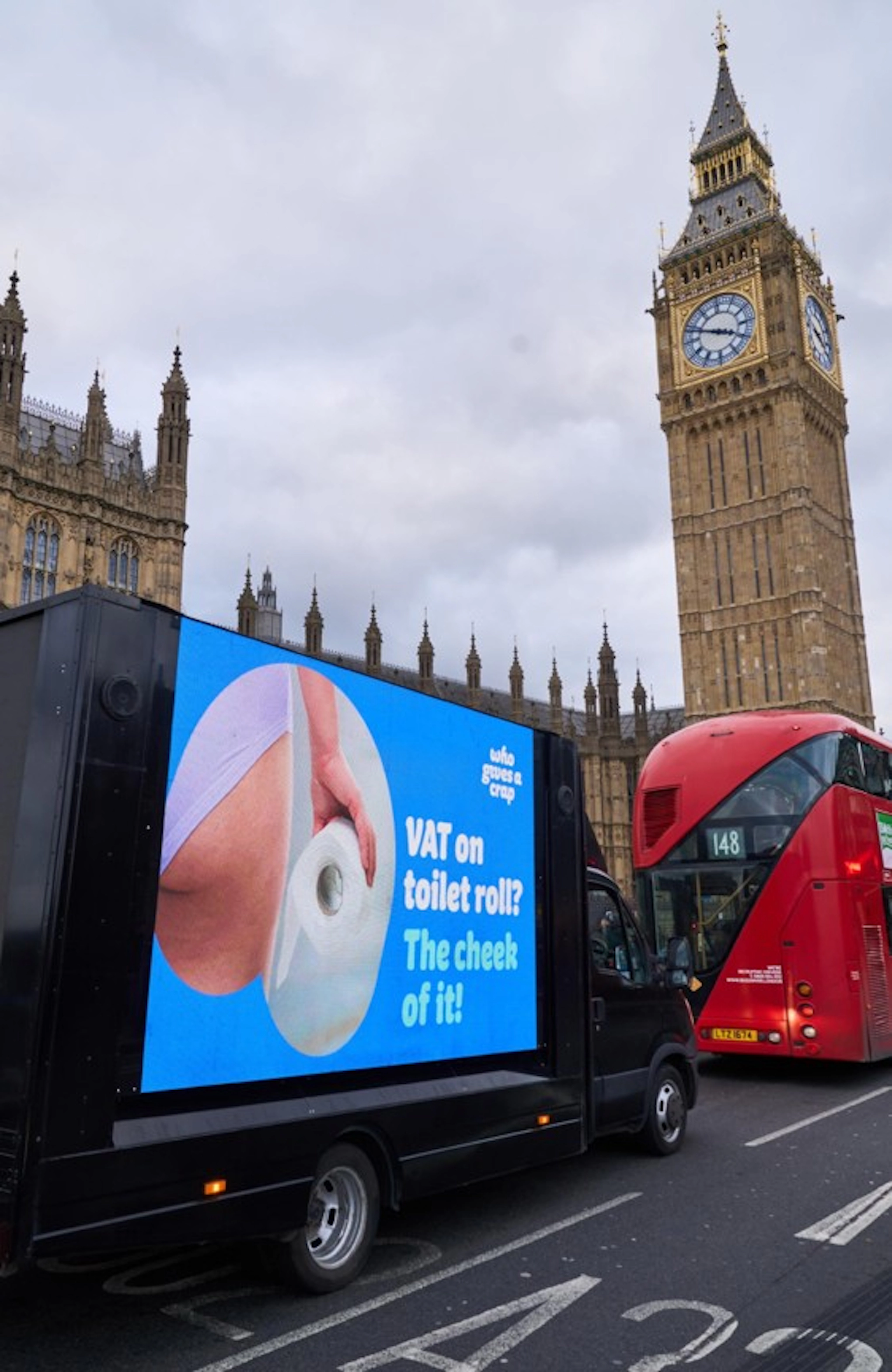
What has your career taught you about assembling and leading the best teams?
Having worked at WGAC for the majority of my career, I’ve not had the opportunity to learn from other people on how to manage or run teams, other than the odd bit of training that I do here or there.
I did a one-week course at Stanford a few years ago. There was a professor there that talked about two types of thinkers: divergent thinkers who are great at creating new ideas and coming up with novel ways to do things, and convergent thinkers who are great at narrowing those ideas down and executing and delivering on time every single time.
The professor explained that it is incredibly rare to find someone who’s exceptional at both of those things. Everyone leans one side or the other – some to the degree that they can’t even do the other thing, because they’re just so good at divergent thinking they can’t do convergent or vice versa.
The temptation is to try to get people who are great at one thing to be good at the other. And when you do that, not only do you see them struggle to do the thing that they’re not good at, you actually make them worse at the thing that they’re great at. Her research showed that if you’re trying to put great teams together, you want to get the mix of divergent thinkers and convergent thinkers correct.
For example, in a creative team, you have a lot of divergent thinkers, and you don’t try to get them to do the convergent thinking. You just bring in great convergent thinkers to work alongside them to deliver. Conversely, in a supply chain team, you’ve got a lot of incredible convergent thinkers who deliver things on time, every time.
But they would benefit from some crazy, ‘blue sky’ thinkers that sit next to them to come up with the breakthroughs that they’re going to go after in order to really change the game. I always think about the balance of the convergent and the divergent in different teams. What is the right mix? Is it 80/20? Is it 50/50? Is it 10/90? Then you need to make sure you have the right people in those seats. Get it wrong in a brand team and you’ve got too much strategy and not enough risk-taking or out-of-the-box ideas going out into the world. Get it wrong in a creative team and you constrain the team. In marketing teams this is especially important.
How do you surf the tsunami of rapidly evolving marketing technology?
We very much started in the digital space – we stay really close to other founders in this space, monitor who’s testing what, and test things ourselves. We swap notes on the things that are working. That way we increase the surface area of luck when finding the breakthrough tools, and you get them six or 12 months before other people, which gives you that edge that you need to win.
To your surfing analogy: you’ve got to be a surfer in the water in order to catch the wave. We’re in the water, but we’re also looking around, and we’re watching who’s catching the best waves… where are they positioning themselves?
I think making the right choices is only going to get harder. But at the same time, this is a place where AI is potentially going to have a big impact and soon you’ll be able to build your own tools which may well change the landscape.
So what advice might you have for senior marketers when they get pushback in the boardroom?
A big part of marketing is intuition, gut-feeling and judgment, and that’s the opposite of what a board needs, right? They need data and case studies and proof that either the direction you’re trying to push in is going to work or that you can unlock more ROI for the budget that you’re trying to ask for.
As a marketer, you have to speak the board’s language and come to them with all of the right information they need in order to give you what you want. It’s a very different playbook compared with being great at marketing. Partner up with the people who are in that room to understand what’s important and make sure that you’re selling the right story in a way that resonates. I’ve seen that work incredibly well. I’ve obviously seen the other side of it too.
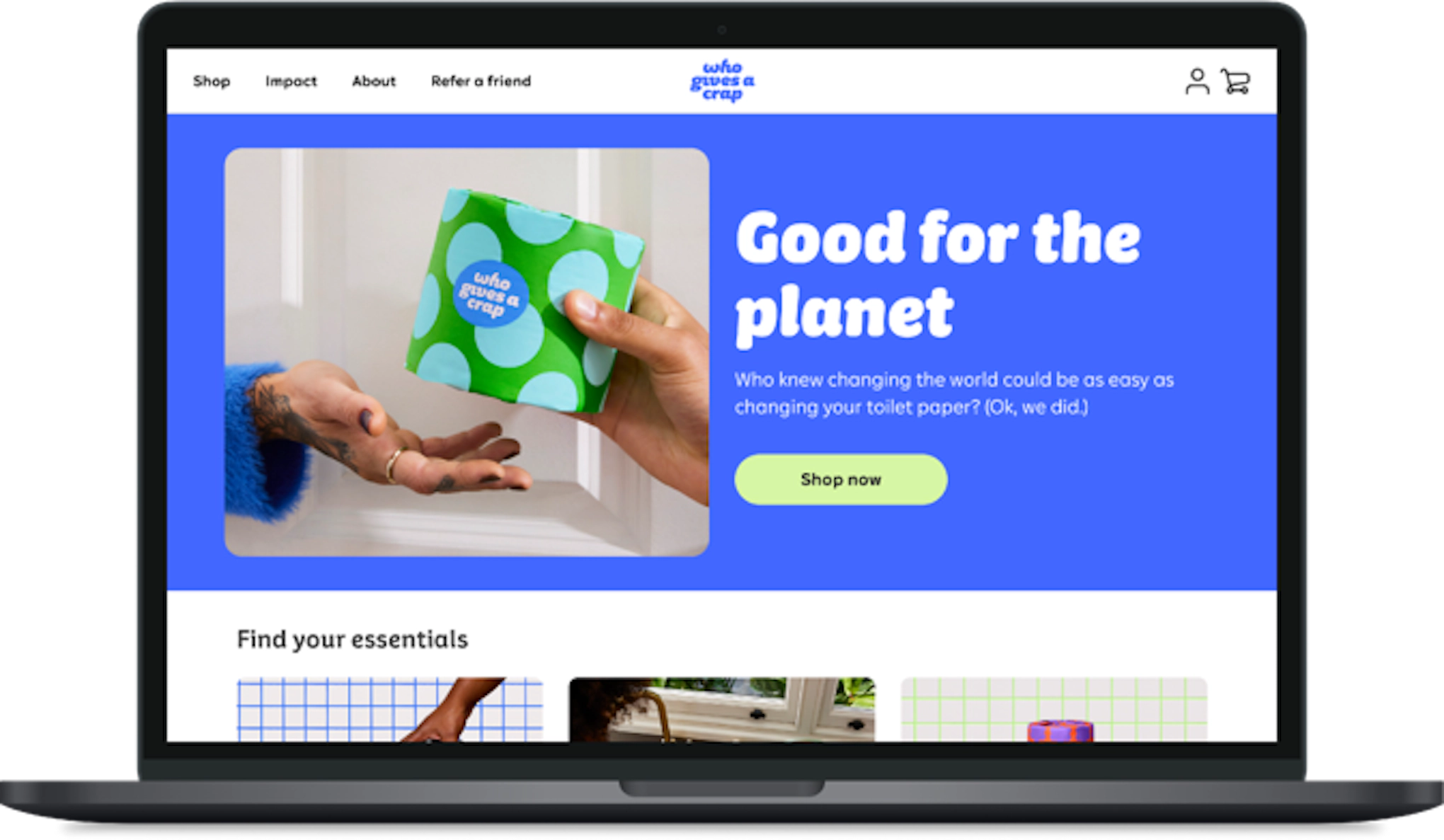
What myth about marketing would you most like to bust?
I don’t know what’s a myth anymore! I feel like the rulebook’s been thrown out over the past few years. I think the biggest myth is that you have to spend big to grow big. Certainly a few years ago, there was this big belief that in order for a new brand to truly break through, you had to go and spend lots of money on big brand.
What we’ve learned is that winning in the long run is achieved by getting this delicate balance of the marketing mix to work beautifully together across all of the channels, where everything reinforces each other and helps you to deliver the results that you need.
For example, if your creative sucks, then it’s not going to work, and you’re going to think that you’ve done the wrong allocation of budget. But actually, the problem is your chosen creative assets. Great marketing manages to get this cacophony of elements to perfectly come together. I think that’s where intuition and gut feeling come into it.
What question would you like me to ask the next senior marketer I interview?
I’d love to know what their favorite brand is that most people haven’t heard of and why they love it.
Your question from a senior marketer is: What advice would you have for someone who is completing their degree at university and thinking about a career in marketing? What should they do?
My advice is probably not what they should do, but more what they should know. First is that most people you consider to be ‘experts’ will still have moments when they feel like they don’t actually know what they are doing. And second, if you set your mind to it, you can learn pretty much anything. When you know those two things, it opens up this entirely new world to you: the idea that you can go anywhere and you can do anything if you work really hard at it.
That’s kind of what I think most university students need to know. It’s about just getting out there, getting in the arena, having a crack, experimenting, making mistakes, and learning from them. And ultimately, the resilience and the curiosity and all of the things that you build up through taking that approach makes you a great part of a company in one way or another. Maybe it’s not in marketing, maybe it’s somewhere else, but that’s what you’ll find out – by trying.
If there’s one thing you know about marketing, it is…
There is no playbook. You’ve just got to keep reinventing it.
This interview is brought to you in partnership with Worth Your While – an independent creative agency based in Copenhagen, working globally. Named one of The Drum’s Indie Agency Top 100, WYW exists on the belief that time is humanity’s most valuable resource, and that the only ideas worth making are ones that earn it. You might die tomorrow. Make today worth your while.
This interview has already appeared in The Drum. Discover the best campaigns, industry insights and interviews from world-leading marketers, creatives and more.